REVIEW · SYDNEY ZOO
Sydney Zoo Admission Ticket
Book on GetYourGuide →Operated by Sydney Zoo Pty Ltd · Bookable on GetYourGuide
Sydney Zoo is an easy day out with real learning built in. I love the way the site mixes big-animal viewing with First Nations storytelling through Bungarribee Dreaming, and I also like that the zoo feels designed for walking—no hills and no steps. One watch-out: it’s far from central Sydney, so your transport costs can quietly eat the value.
For animal lovers, I like that you’re not stuck in one “type” of enclosure. You’ll get mixed-species habitats on the African Boardwalk, primates down Primate Boulevard, and south-east Asia animals all in one continuous visit. The main drawback I’d flag is heat: on hot days, you’ll want shade and a flexible pace, since some animals may shift to cooler spots when temperatures rise.
In This Review
- Key Points I’d Focus On
- Sydney Zoo at Eastern Creek: a one-day plan that stays simple
- Price and value of a $38 Sydney Zoo admission ticket
- The layout that makes a zoo day feel less rushed
- Bungarribee Dreaming: learning Aboriginal culture alongside animals
- African Boardwalk and mixed-species habitats: savannah scenes in one stroll
- Primate Boulevard and south-east Asia: where patience pays off
- The Reptile & Nocturnal House: the reason many people plan around it
- Zoo plus aquarium in NSW: why the combo makes sense
- Walking comfort, heat, and the practical stuff that affects your day
- Getting there: Eastern Creek logistics and transport math
- What to bring (and what to leave at home)
- How to get the most from your one-day ticket
- Is Sydney Zoo worth it for you?
- Should you book Sydney Zoo admission?
- FAQ
- How much is Sydney Zoo admission?
- How long is the ticket valid for?
- Is parking included with the ticket?
- Do I need to pay for food and drinks?
- Is the experience wheelchair accessible?
- Is there free cancellation?
- Can I reserve and pay later?
- Where is Sydney Zoo located?
- What should I bring?
- Are glass objects allowed?
Key Points I’d Focus On
- Bungarribee Dreaming adds First Nations culture to your zoo day, not just animal facts
- 4,000+ animals across global regions gives you variety without feeling repetitive
- African Boardwalk, Primate Boulevard, and south-east Asia areas help you structure your walking route
- Largest Reptile & Nocturnal House in the world is the standout “specialty” stop
- Only combined zoo and aquarium in NSW means extra viewing options in one ticket
- Free on-site parking helps value, especially if you’re driving in
Sydney Zoo at Eastern Creek: a one-day plan that stays simple
Sydney Zoo is located in Eastern Creek, right off the Great Western Highway near the M7 and M4 motorways. That matters because it keeps your day from turning into a travel headache. You’re not climbing around a hilly property or negotiating constant stairs, since the site was created with no hills and no steps in mind.
The ticket is $38 per person for one day, and the big promise is straightforward: over 4,000 animals plus an easy, walk-friendly layout. Add in free on-site parking, and the math becomes clearer fast—especially if you’re not taking public transport.
Price and value of a $38 Sydney Zoo admission ticket
Let’s talk value in real terms. A $38 zoo ticket is not cheap, but it can be reasonable if you use the full day well and don’t pay extra for parking. Here, parking is included, which is a genuine help if you’re driving in and want to avoid add-on costs.
Also, the experience isn’t only “see animals.” It’s designed around themed precincts and specialty areas, including a major reptile/nocturnal focus. If you go for a full circuit—rather than popping in for an hour—you’re more likely to feel like you got your money’s worth.
The catch is location. One booking experience noted transport cost made the trip feel pointless compared with the ticket price, plus a long bus ride each way. So if you’re coming from far away, factor in your actual travel time and cost before you commit.
The layout that makes a zoo day feel less rushed
Sydney Zoo is set up so you can move at an easy walking pace across several zones. The site highlights three walkable “anchors” you can use to build your route: the African Boardwalk, Primate Boulevard, and the south-east Asia animal areas.
I like when a zoo gives you a few clear pathways like this, because it reduces decision fatigue. You can wander, pause, and then shift to the next precinct without feeling lost. And because the property avoids hills and stairs, you’ll spend less energy just getting around—useful for kids, older visitors, and anyone with mobility needs.
One more comfort point: heat. A review specifically praised mist sprinkler and shaded areas on a hot day. Still, another comment pointed out that dust and reduced shade can be annoying—especially in summer. So plan on sun protection and give yourself time to find cooler pockets.
Bungarribee Dreaming: learning Aboriginal culture alongside animals
One of the most valuable parts of Sydney Zoo is Bungarribee Dreaming. It’s not an add-on trivia corner; it’s a culture-focused experience built into the day. If you want more than “animal photos,” this is where the visit gets meaningful.
Here’s why that matters for you: zoos can easily become a checklist. Bungarribee Dreaming shifts the tone toward understanding—so you leave with something that feels educational, not just entertaining. It’s also a strong option if you’re traveling with mixed interests, since not everyone connects with the same species the same way.
If you care about context as much as sightings, I’d treat this as one of your first priorities—timing depends on availability, but don’t postpone it to the very end of the day without a reason.
African Boardwalk and mixed-species habitats: savannah scenes in one stroll
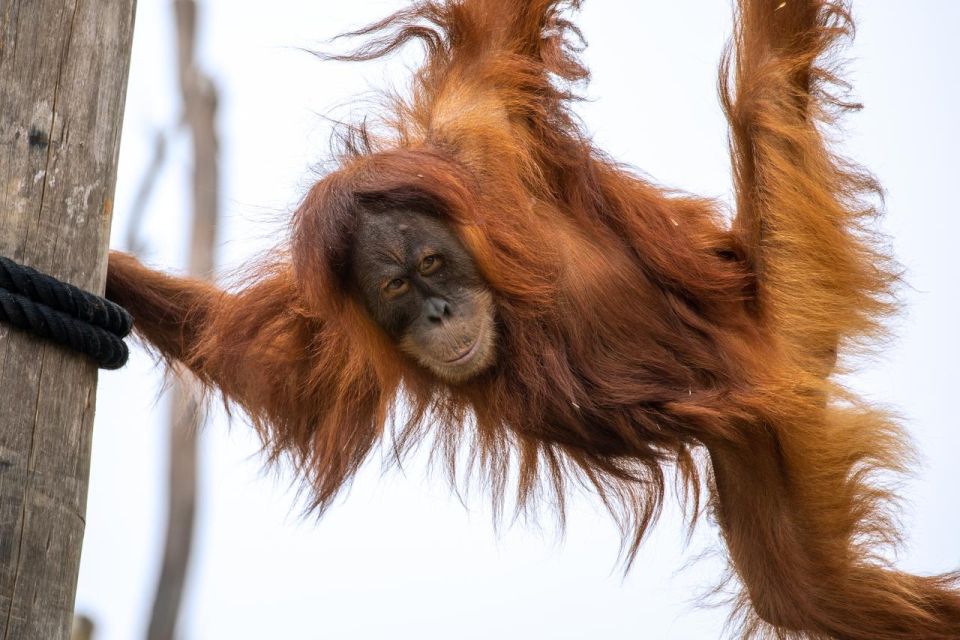
The African Boardwalk is built around scenes from the savannah and mixed-species habitats. That’s a good design choice for a couple of reasons.
First, mixed-species exhibits often feel more natural than single-species pens, because animals are shown in a “community” context rather than as isolated items. Second, the boardwalk approach gives you a clear walking rhythm: you can slow down, look across habitats, and then keep moving without missing adjacent areas.
A practical tip from real-world experience: you may sometimes get closer animal viewing depending on where you stand. One review highlighted that with a bit of luck, you can see animals near enough for satisfying looks. So don’t just glance from the first spot you find—walk a few steps along the viewing path and compare angles.
Primate Boulevard and south-east Asia: where patience pays off
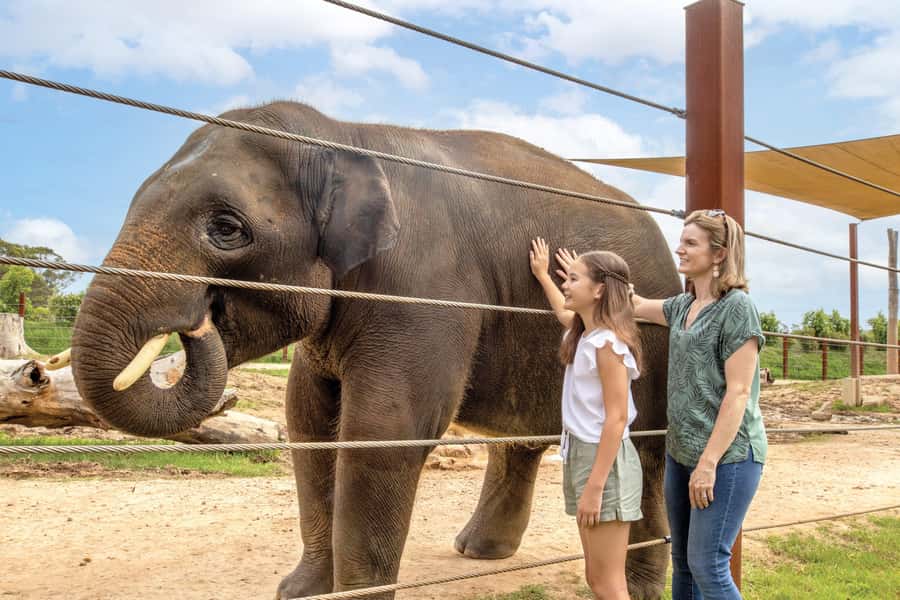
Then you’ve got Primate Boulevard, plus animals from south-east Asia. This is where I’d shift gears from “big wow” moments to slower observation. Primates and many Asian-region animals can be active at certain times, but they can also spend long stretches resting. If you rush, you’ll miss the best behavior.
The zone layout helps you do the right thing: pause more often. You’ll naturally stop when you notice movement, sound, or a change in how an animal is using shade. And since the property is designed without stairs and with minimal elevation issues, you can keep your day comfortable even when you stop repeatedly.
Also keep your expectations realistic. A review mentioned some animals scampering to stay in shade during summer. That doesn’t mean the exhibits are “wrong.” It’s just how animals behave in hot weather. For you, the takeaway is simple: plan your pace and look for cooling opportunities as you walk.
The Reptile & Nocturnal House: the reason many people plan around it
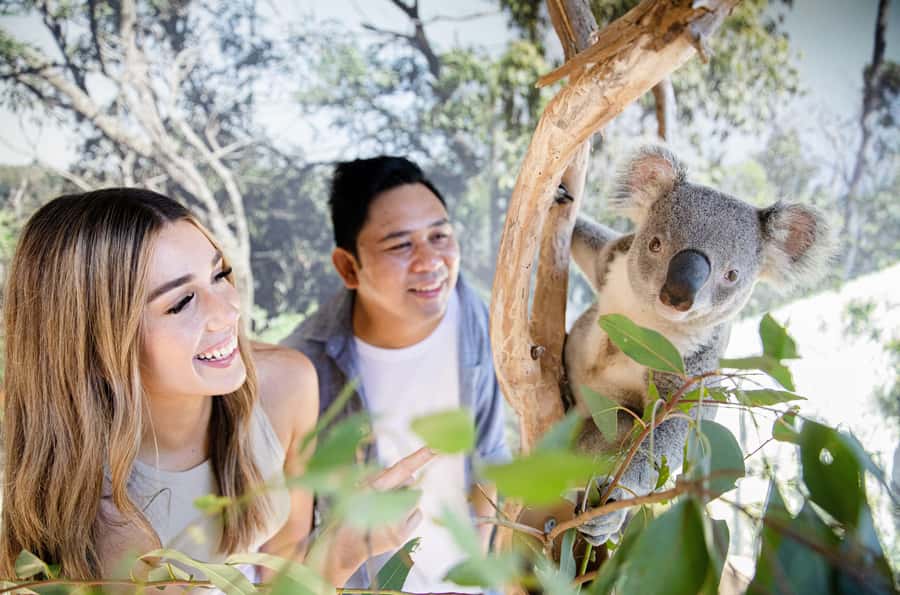
If you want one “big ticket” reason to structure your day, make it the Reptile & Nocturnal House. The zoo highlights it as the largest Reptile & Nocturnal House in the world, and that’s exactly the kind of specialty that can justify spending a full day onsite.
This is the place I’d consider your anchor exhibit. Even if you spend the rest of the zoo at a casual wander, you’ll likely want time here to watch more carefully. Nocturnal animals can be active when conditions are right, and reptiles often reward patience rather than speed.
If you’re the sort of visitor who likes a mix—cute, strange, and seriously impressive—this is where you’ll get it. It’s also a great family stop, since reptile exhibits tend to spark lots of questions.
Zoo plus aquarium in NSW: why the combo makes sense
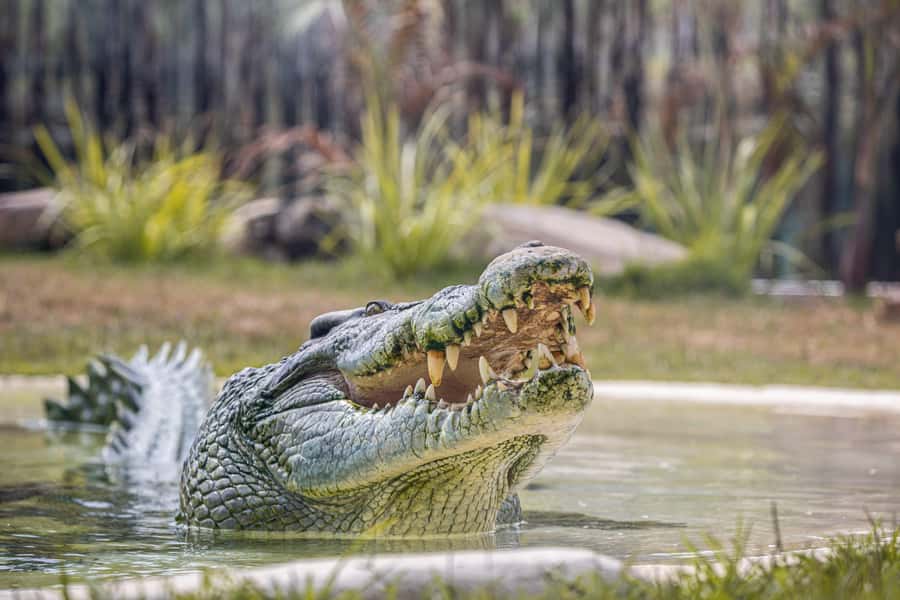
Sydney Zoo is also the only combined zoo and aquarium in NSW. That combination can be a genuine value boost because it doubles the “types of animals” you encounter on the same ticket.
On a one-day visit, that matters. You’re more likely to keep everyone interested if the day doesn’t turn into one long stretch of land animals. And when you hit an area with different viewing styles—water, reflections, different temperatures—it naturally breaks up your mental rhythm.
It’s also helpful for weather. If the day is hot or you want a calmer indoor or semi-controlled break, aquariums can offer a change of pace without you needing to leave the property.
Walking comfort, heat, and the practical stuff that affects your day
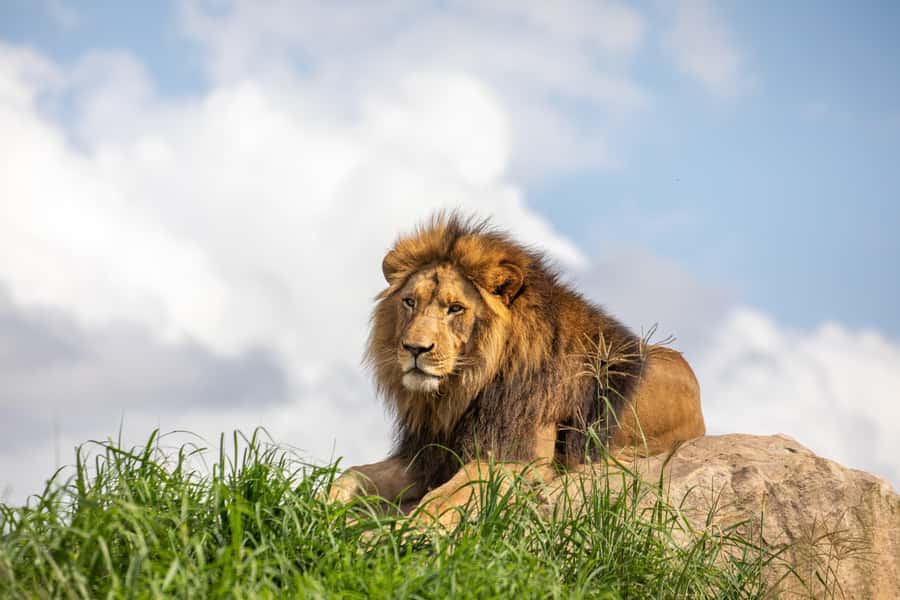
Sydney Zoo was designed with no hills and no steps, which I consider more than an accessibility detail. It changes how you experience a full circuit. You’ll likely feel less tired and more willing to keep exploring rather than calling it quits because your legs are done.
But there are still practical realities to plan for:
- Bring comfortable shoes, because zoo paths can be dusty or dirty near the end of the visit.
- Pack a hat and use it. One review praised mist sprinklers working well on a hot day, but sun protection still matters.
- Expect some areas to have less shade than others in summer. One comment noted animals seeking shade, and that’s a clue for you to look for cooler spots too.
A small but useful note: one review suggested adding more options like ice blocks on a hot day, and they also mentioned limited diabetic-friendly choices. Food isn’t included in your ticket, so it’s smart to plan ahead for any dietary needs—don’t assume your preferred snack will be easy to find.
Getting there: Eastern Creek logistics and transport math
Eastern Creek is convenient if you drive, since you can access the M7 and M4 near the Great Western Highway. And because free on-site parking is included, driving can be the easiest and most cost-predictable option.
If you’re using public transport, do the math before you book. One downside from a past booking experience was that the trip from Sydney involved a long bus ride and the transport cost was higher than the admission. That’s not a reason to skip the zoo—it’s a reason to check your total trip cost and time.
My advice: compare your all-in costs (ticket plus transport plus any planned meals) against alternatives closer to where you’re staying. If you find the total is still reasonable, the day is worth it. If not, consider whether you’d enjoy a nearer option more.
What to bring (and what to leave at home)
Keep your visit smoother by packing the essentials listed for the experience:
- Comfortable shoes
- Hat
- Camera
- Personal medication
Also follow the rule about what’s not allowed: no glass objects. That’s the kind of policy that affects what you bring from your hotel, so double-check before you leave.
If you tend to get hot, plan for it as part of your gear choice. Between misting features and shaded areas, the zoo is actively dealing with summer heat—but you’ll still feel better with sun protection and comfortable footwear.
How to get the most from your one-day ticket
You’ve got valid for 1 day, so your goal is not “see everything fast.” Your goal is “see the best things twice”—once when you notice them, then again when you’re in the right mood to linger.
Here’s a simple strategy that matches the zoo’s structure:
- Start with your must-dos: Bungarribee Dreaming and the Reptile & Nocturnal House
- Use the themed zones as your flow: African Boardwalk, then Primate Boulevard, then south-east Asia
- Take breaks in shade. Use mist/shaded areas when you find them, especially during peak heat
If you’re visiting with kids, this structure helps them feel like the day has chapters. If you’re visiting solo, it keeps you from wandering in circles. Either way, it reduces the chance you rush through the parts you care about most.
Is Sydney Zoo worth it for you?
Sydney Zoo fits best if you want:
- A full day of varied animal viewing across multiple regions
- An educational element tied to Aboriginal culture through Bungarribee Dreaming
- A specialty exhibit that makes planning feel purposeful (the Reptile & Nocturnal House)
- A zoo that’s easier to navigate thanks to no hills and no steps
It may feel less worth it if you’re facing high transport costs from a distant part of the city. In that case, the $38 ticket can look smaller than your travel bill once you factor in the commute time and extra expenses.
Should you book Sydney Zoo admission?
Yes, I’d book if you can make the trip practical—especially if you’re driving or you can get there without spending more on transport than the ticket. The mix of over 4,000 animals, themed walking areas, and the culture-focused Bungarribee Dreaming makes the day feel more rounded than a basic zoo stop.
Skip the overthinking and commit if the day works for your schedule. With free parking included, a walk-friendly site, and a top-tier reptile/nocturnal house, it’s a strong one-day option for most visitors.
FAQ
How much is Sydney Zoo admission?
The Sydney Zoo admission ticket is $38 per person.
How long is the ticket valid for?
The ticket is valid for 1 day. Check availability to see starting times.
Is parking included with the ticket?
Yes. On-site parking is included, and it’s free.
Do I need to pay for food and drinks?
Food and drinks are not included in the admission ticket.
Is the experience wheelchair accessible?
Yes. The experience is wheelchair accessible.
Is there free cancellation?
Yes. You can cancel up to 24 hours in advance for a full refund.
Can I reserve and pay later?
Yes. You can reserve now and pay later.
Where is Sydney Zoo located?
Sydney Zoo is in Eastern Creek on the Great Western Highway, just off the M7 and M4 motorways.
What should I bring?
Bring comfortable shoes, a hat, a camera, and any personal medication you need.
Are glass objects allowed?
No. Glass objects are not allowed.