REVIEW · SYDNEY
Australian Surfing and Camping Tours
Book on Viator →Operated by Australian Surf Bus · Bookable on Viator
Wake up, surf, repeat along Australia’s coast. This 5–6 day East Coast adventure pairs daily surf coaching with swag camping and stops at famous breaks like Byron Bay and Crescent Head. You’ll also get a rare extra layer: an Indigenous experience at Red Rock with the Gumbaynggirr community.
I like how the trip is built for real learning, not just sightseeing. You’re in a max 9-person group, and you get daily instruction plus video analysis so you can actually track what improves. One thing to consider: the days start early (meeting time is 6:00 am), and the schedule moves fast between surf spots, which can feel intense if you’re hoping for slow, laid-back mornings.
In This Review
- Key things that make this surf bus worth your time
- The real vibe: small-group surf learning with camping grit
- The schedule reality check (6:00 am start)
- What you get included: more than just “surf lessons”
- Swag camping: outdoor nights, but still a guided trip
- Gold Coast: world-class waves and the first test of the week
- Byron Bay and the Pass: point break learning with iconic scenery
- Yamba: original surf town energy and beach breaks
- Red Rock and the Gumbaynggirr experience: more than a photo stop
- Scotts Head: point break coaching with Trent Munro’s legacy
- Crescent Head: iconic point break and longboard energy
- Seal Rocks: wildlife views plus real hikes
- Newcastle for a city breather and a surf-culture lunch
- Price vs. value: what makes $892.97 feel fair
- Who should book this surf-and-camping week?
- Should you book Australian Surfing and Camping Tours?
- FAQ
- How big is the group for Australian Surf Bus?
- What time does the tour meet, and is pickup offered?
- Are surf lessons and equipment included?
- What meals are included?
- Is camping included, and what does accommodation look like?
- What happens if weather is bad?
- What is the cancellation window for a full refund?
Key things that make this surf bus worth your time
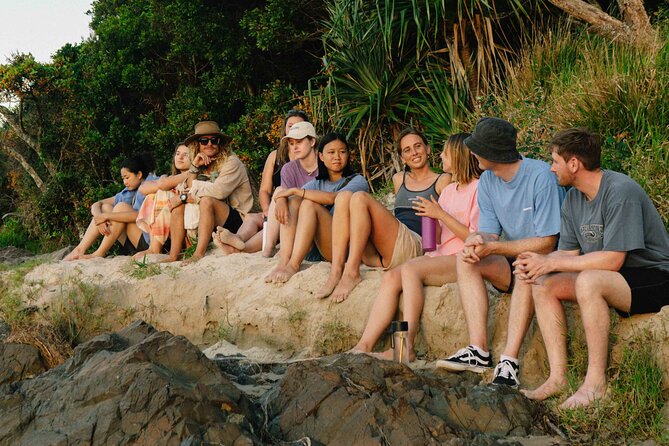
- Max 9 travelers means you get attention without feeling lost in a crowd.
- Daily coaching + video analysis helps you connect the dots between what you tried and what you should change.
- Swag camping keeps it authentic, and it’s part of why the coast feels like an adventure instead of a hotel tour.
- Stops match different break styles (point breaks and beach breaks) so your skills get tested in useful ways.
- Red Rock Indigenous experience adds context beyond surf culture, including learning ancient survival methods.
- Wildlife watching is built into the plan, including marine-life spotting time at Seal Rocks.
The real vibe: small-group surf learning with camping grit
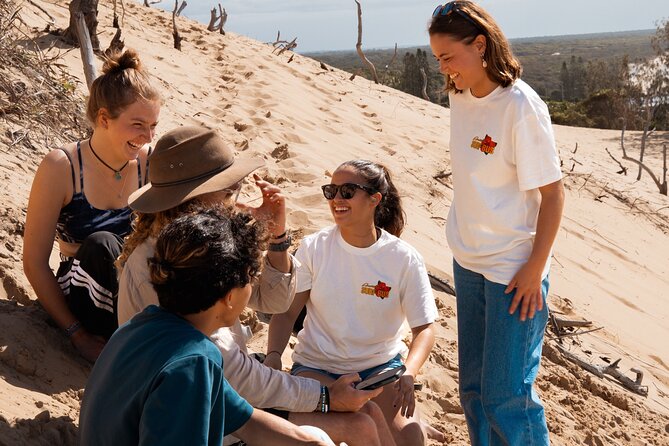
This trip is run like a practical surf road trip. You’re not doing one big “tour bus day” after another. Instead, you’re constantly resetting your brain: travel, gear up, ride, review, then sleep under the sky.
The small group size matters. With up to 9 people, you’re not stuck waiting around while someone figures out where to stand, what to do next, or how the lesson works. That also means coaches can adjust faster when you’re having trouble catching waves, finding the right spot in the lineup, or staying calm when conditions change.
You’ll also meet a new coach/instructor day-to-day. In real terms, that’s a good thing: different surf coaches tend to notice different issues, and you benefit from fresh feedback rather than hearing the same angle for the whole week. If you care about progress, the daily attention and coaching tone is a big part of why people come back.
One more plus: the host named Seb is part of the experience. The vibe is friendly and upbeat, which helps when you’re learning a new sport and the ocean is doing ocean things.
You can also read our reviews of more tours and experiences in Sydney.

The schedule reality check (6:00 am start)
Meeting at 6:00 am is not a minor detail. It changes the whole feel of the day. You’ll get moving early so you can hit surf time and still make the next stop work. If you’re the type who only feels alive after brunch, you’ll want to prepare for an early wake-up routine and bring a decent sleep strategy.
The good news is that early starts also mean you get quieter light, more consistent surf windows, and less time feeling stuck in traffic. The trip also has built-in rhythm: mornings are for surfing and instruction, while later blocks are for scouting locations, learning local culture, or enjoying a break from the water.
Also note: lunch is not included. That’s common on multi-stop trips, and it’s actually useful. You get to eat when and where you want at local cafés along the way, instead of being stuck with a pre-packed meal you don’t like.
What you get included: more than just “surf lessons”
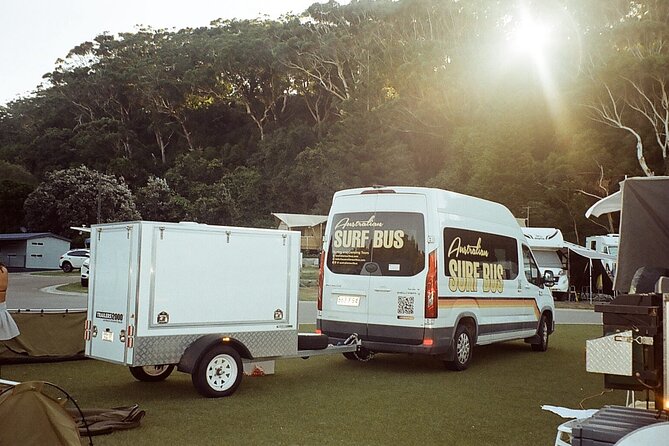
The price is listed as $892.97 per person, and it’s worth looking at what’s covered before you decide it’s pricey or fair.
On a 5-day run, you’re paying roughly $180/day; on a 6-day run, roughly $150/day. Either way, the value isn’t only the surfing. You’re also getting:
- Healthy breakfast and dinners daily
- Surfing lessons daily, with wetsuits and foam boards
- Camping equipment for swag camping
- Daily video analysis plus a video pack
- Wildlife watching
- Ancient Indigenous experience at Red Rock
If you were booking surf lessons, rentals, meals, and camping logistics separately, costs add up fast. Here, they’re bundled in a way that keeps you focused on learning and enjoying the coast rather than coordinating every piece.
One more practical point: you’re given video analysis daily. That’s a real training tool. When you’re learning, your body often feels like it’s doing one thing while the results look different. Video feedback helps you connect effort to outcome.
Swag camping: outdoor nights, but still a guided trip
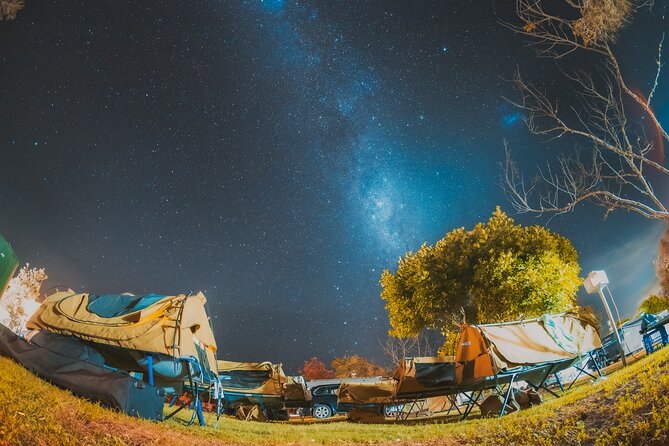
This is swag camping, which means sleeping in an outdoor-style setup rather than a hotel. The appeal is obvious: you’re closer to the weather, the stars, and the “we’re really on the road” feeling. It also makes the trip feel more like a shared adventure than a series of check-in points.
That said, swag camping is not the same as “glamping.” You’ll want to pack for changing conditions. Coastal weather can shift quickly, especially at night. If you know you get cold, bring layers and treat it like real camping, not a pajama party.
The upside is that the campsite plan is tied to the route’s nature spots, especially when you’re heading toward areas known for wildlife. That makes nighttime feel like part of the experience instead of a parking stop.
Gold Coast: world-class waves and the first test of the week
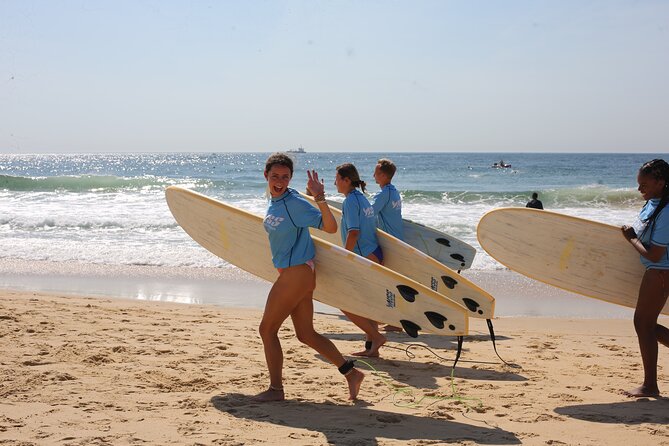
The trip starts with the Gold Coast, a place tied to serious surfing. Even if you’re brand new, being in an area known for wave talent raises the stakes in a good way. You’ll surf and get familiar with the daily lesson format early, while your legs are still fresh.
Because this is the opening stop, it’s also where you’ll likely learn the basics that decide everything later: paddling technique, where to sit in the lineup, how to read the shape of a wave, and how to get up without turning it into a sprint workout.
A drawback to keep in mind: when conditions are strong or the crowd energy is high (this is a famous surf region), it can feel intimidating for beginners. The coaching is there for that, but your mindset still matters. Go with curiosity, not ego.
- Blue Mountains Small-Group Tour from Sydney with Scenic World,Sydney Zoo & Ferry
★ 5.0 · 3,709 reviews


Byron Bay and the Pass: point break learning with iconic scenery
Next comes Byron Bay, the original surf town vibe with a big reputation for good surfing. You’ll surf the Pass point break, which is known for making surfers focus on timing.
This is the kind of spot where skill levels matter. For beginners, point breaks can be a stepping stone into more controlled wave choices. For intermediate surfers, it becomes a place to sharpen takeoff timing and wave positioning.
And yes, Byron Bay is also about more than surf. You’ll have time for local eats and the kind of scenery that makes it hard not to pause between sessions. Just remember: you’re not here to wander all day. The trip is still training-focused, so you’ll want to enjoy the town in the pockets of time you get.
Yamba: original surf town energy and beach breaks
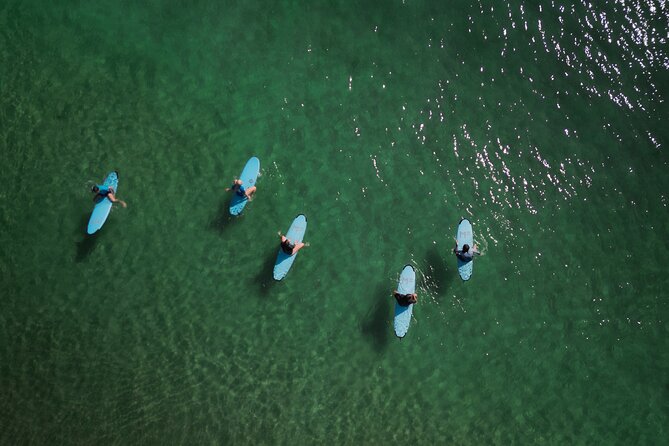
Yamba is another classic “surf town” stop, and this time the focus shifts to beach breaks. Beach breaks can feel more forgiving for some learners because the wave offers variety and change. That can help you practice wave selection without being locked into one line.
Yamba is also when the camping side of the trip becomes even more real. You camp under the stars here and get time for wildlife watching. That mix works well: surf teaches physical skills, and the night-sky/camping breaks up the week so you don’t feel like you’re only living in wetsuits.
Red Rock and the Gumbaynggirr experience: more than a photo stop

Red Rock is different from the surf days. At this sacred site, you’ll learn about the world’s oldest continuing living culture through an Indigenous experience with the Gumbaynggirr People, including learning ancient survival methods.
This is one of the most meaningful parts of the trip because it adds context. Surf culture can be loud and superficial when it’s just about gear and tricks. A cultural stop like this reframes why place matters, how people have lived with the coast for generations, and how knowledge ties into daily survival.
Keep an open mind and come ready to listen. Even if your time there feels shorter than you’d like, it changes the way you look at the coastline for the rest of the trip.
Scotts Head: point break coaching with Trent Munro’s legacy
Scotts Head brings you another point break, plus a special connection: you’ll learn from former world number 1 professional surfer Trent Munro.
That’s not just a name on a brochure. When a coach comes from that level, the lesson often becomes more specific. You may hear clearer cues about timing, stance, and how to commit to a wave once you choose it.
Also, Scotts Head is a small surf town. That helps keep the experience grounded. You’re not bouncing between big-city distractions; you’re spending more time with the ocean and the training side of the trip.
Potential drawback: point break sessions can be tougher when conditions are punchy. If you’re brand new, you might be frustrated if you expect instant long rides. The coaching helps, but your patience has to show up too.
Crescent Head: iconic point break and longboard energy
Crescent Head is next, famous for an iconic point break and known for longboard surfers. Even if you’re not riding a longboard, the lesson environment still benefits you. Point breaks demand smoothness and timing, not just strength.
This is a good stop if you’re aiming to refine technique: better takeoff, better speed control, and fewer “messy pop-ups.” If you’re already comfortable standing up, you’ll likely start thinking more like a surfer and less like someone just trying to make it work.
Seal Rocks: wildlife views plus real hikes
At Seal Rocks, the focus spreads out. The view is the headline, but the experience is also about wildlife and the chance to do breathtaking hikes.
This stop is where your body may feel the week. You’ve surfed multiple days, and now you’re adding walking time in a coastal environment. It’s not described as an all-day grind, but you should still pack for comfort, sun protection, and uneven ground.
If wildlife watching is on your priority list, this is one of the best places to slow down a bit and look around. The campsite is often considered a favorite by surf-trippers because the scenery and marine-life potential make it feel special even when you’re not paddling.
Newcastle for a city breather and a surf-culture lunch
Finally, the trip reaches Newcastle. This isn’t a surf training day in the same way as the earlier stops, but it gives you a breather and a taste of local café and bar culture.
Newcastle is known for history and surfing culture, so even your lunch break feels connected to the theme of the week. You’ll have about two hours there, which is short—but it’s exactly enough time to reset your head after camp life and saltwater days.
Price vs. value: what makes $892.97 feel fair
Let’s be honest: the number isn’t small. But compare what you’re getting.
You’re not paying only for a lesson. You’re paying for daily instruction, wetsuits and foam boards, a video analysis package, breakfast and dinners every day, camping equipment, plus cultural learning and wildlife time. Those add up quickly if you buy them separately.
So, for many people, the trip feels like a good deal because it’s a “system,” not a bundle of random stops. You show up, your gear and meals are handled, and the coaching is scheduled so you can improve without hunting for lessons on the fly.
The biggest factor affecting value is whether you’ll use the coaching and video feedback. If you’re only going for photos, this might feel expensive. If you want to learn, it starts to make sense fast.
Who should book this surf-and-camping week?
This trip fits best if you want:
- To learn surfing (or tighten technique) with daily coaching
- A small-group adventure rather than a big bus crowd
- Real camping nights without having to plan the gear
- A route built around multiple classic East Coast surf regions
- A cultural experience at Red Rock with the Gumbaynggirr People
It also helps if you have moderate physical fitness. Not because you’re doing extreme hikes all day, but because surfing, paddling, and walking will add up.
If you hate early mornings, or you want all your time to feel relaxed, the start time and travel rhythm may test you. You can still enjoy it, but you’ll need the right expectations.
Should you book Australian Surfing and Camping Tours?
I’d book it if you want a surf trip that feels structured enough to help you improve, but still real enough to feel like you’re living the coast. The mix of daily lessons + video analysis, swag camping, and the Red Rock Indigenous experience gives the week more depth than a typical “surf and party” program.
I’d think twice if you want long lie-ins, luxury sleeping setups, or you only plan to do surf casually. This is training-focused, with early starts and the occasional need to hike or move between stops.
If you’re excited to learn and you’re okay with mornings that start before most people feel awake, this trip is a strong fit.
FAQ
How big is the group for Australian Surf Bus?
The tour has a maximum group size of 9 travelers, which keeps the experience more personal.
What time does the tour meet, and is pickup offered?
The start time is 6:00 am, and pickup is offered. The meeting point is near public transportation.
Are surf lessons and equipment included?
Yes. The tour includes surfing lessons daily, plus wetsuits and foam boards.
What meals are included?
Healthy breakfast is provided daily, and healthy dinners are provided each night. Lunch is not included, and you’ll have options from local cafés and restaurants.
Is camping included, and what does accommodation look like?
Yes. Accommodation is swag camping, along with camping equipment included.
What happens if weather is bad?
This experience requires good weather. If it’s canceled due to poor weather, you’ll be offered a different date or a full refund.
What is the cancellation window for a full refund?
You can cancel up to 24 hours in advance for a full refund. If you cancel less than 24 hours before the start time, you won’t receive a refund.
You Might Also Enjoy


More Tours in Sydney
- Blue Mountains Small-Group Tour from Sydney with Scenic World,Sydney Zoo & Ferry
★ 5.0 · 3,709 reviews

More Tour Reviews in Sydney
- Blue Mountains Small-Group Tour from Sydney with Scenic World,Sydney Zoo & Ferry
★ 5.0 · 3,709 reviews