REVIEW · SYDNEY
Flying Fox Experience, Thousands of Australia’s Largest Bat
Book on Viator →Operated by Perfect Day Sydney · Bookable on Viator
Flying foxes in Sydney, and yes, they’re huge. I love the small group size (up to 14), because it stays relaxed and you get real time to ask questions. I also love that they provide high-zoom cameras, so you can actually photograph bats without playing camera roulette. The one consideration: this is wildlife and the encounter depends on weather and on what the colony is doing that day.
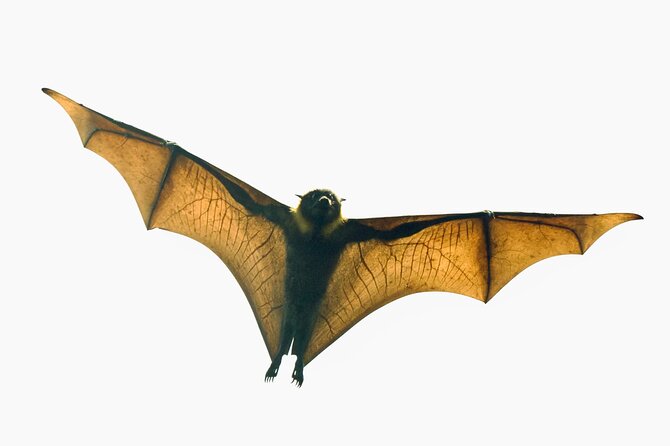
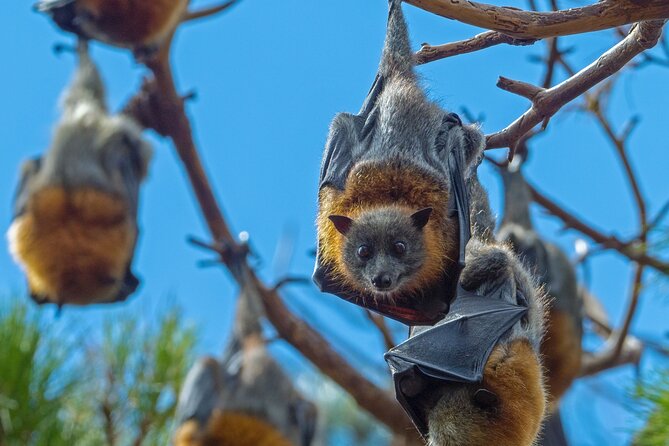
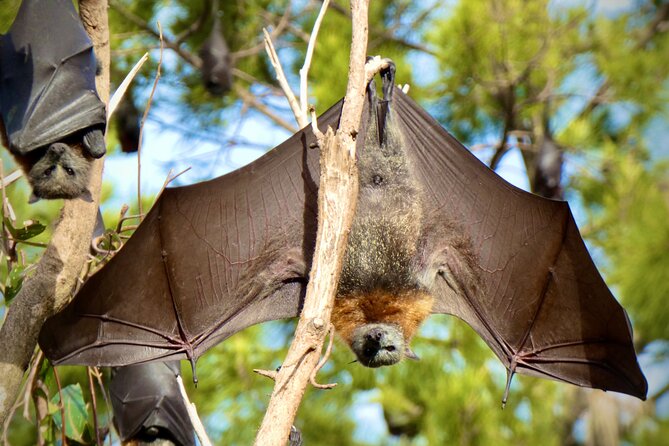
You’ll meet near Circular Quay, then drive out to a Sydney reserve where you can view Australia’s largest bat colony at eye level. Expect fruit bats with about a 1-meter (3-foot) wingspan, plus a guide who explains what makes them endangered and why they matter.
The tour runs about 2 hours 30 minutes and ends back near where you started, with a smart, low-stress pace. Start time is 10:00 am, and you’ll use a mobile ticket on the day.
In This Review
- Key points before you go
- Why this bat colony experience feels different
- Getting to the reserve from Circular Quay (and keeping it simple)
- The eye-level bat encounter: what you’ll actually notice
- Your guide Dave: more than facts, it’s good spotting
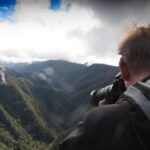
- The photo advantage: high-zoom cameras (plus binos)
- Timing it right: how 2 hours 30 minutes plays out
- Snacks, bottled water, and the small comfort wins
- Price check: is $57.38 good value?
- Who should book (and who might skip)
- Should you book the Flying Fox Experience?
- FAQ
- What is the duration of the Flying Fox Experience?
- How much does it cost?
- Where do I meet the guide?
- What time does the tour start?
- How big is the group?
- Do they provide cameras for photos?
- Is there a mobile ticket?
- What happens if the weather is poor?
- Can I get a refund if I change my mind?
- Where does the tour end?
Key points before you go
- Up-close bat colony viewing: see flying foxes at eye level in their reserve
- High-zoom photo help: cameras are provided so your shots look sharp
- Small group size: max 14 people for more attention from your guide
- Guide Dave’s wildlife skills: hands-on spotting, plus plenty of questions answered
- Refreshment comforts: snacks and bottled water are included on the outing
- Easy city-to-reserve setup: meet by 36 Bridge St and return to the same meeting area
Why this bat colony experience feels different
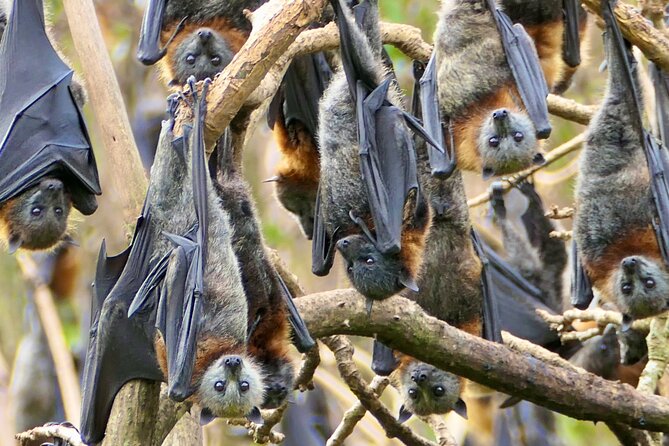
Sydney has plenty of wildlife tours, but this one is about one thing: watching flying foxes in real numbers. When the colony is active, you get this rare sense of scale. These are not a single bat in the trees. It’s a whole community working, moving, and doing bat business.
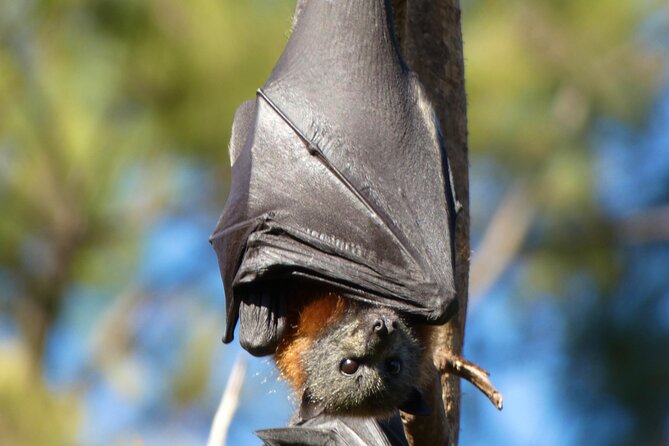
What makes it interesting is how close you get. The encounter is at eye level, not miles away behind a fence. And because they’re fruit bats (also called flying foxes), you’re learning about a species that’s tied to local ecosystems, and that’s currently facing serious pressures.
You’ll also get the “wow” factor without needing technical gear. The tour supplies the photography tools, and the guide’s job is to help you see what to watch for—when to look up, when to look sideways, and when to wait for a flight path.
You can also read our reviews of more tours and experiences in Sydney.
Getting to the reserve from Circular Quay (and keeping it simple)
The meet-up point is at Thomas Sutcliff Mort, 36 Bridge St, Sydney NSW 2000, with the day starting at 10:00 am. The guide meets you near Circular Quay, then drives you from the city to the reserve where the colony lives.
This matters more than it sounds. If you’ve tried to find wildlife on your own around Sydney, you know it can turn into a time-waster. Here, you’re spending your energy where it counts: on viewing the bats, not on guessing locations.
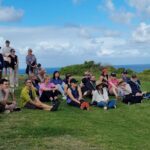
The group is capped at 14 travelers, and that smaller size helps the drive and the arrival stay calm. You’re not shuffled into a huge crowd, and you’re more likely to be in the right viewing spots as the guide adjusts to bat movement.
The eye-level bat encounter: what you’ll actually notice
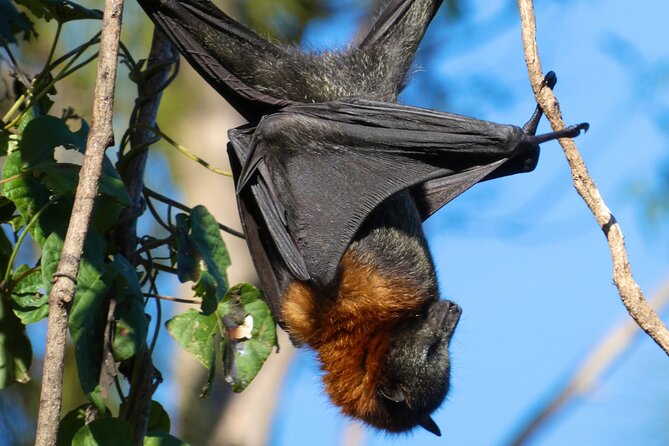
Once you arrive, you’ll learn about the endemic fruit bat and why flying foxes are endangered. The guide shares facts during the viewing time, and you’ll have the chance to meet these animals at close range—basically at eye level.
Now, what should you watch for? I’d focus on three things:
1) Wingspan in motion
With a roughly 1-meter wingspan, you’ll see how wide they really are when they flap or lift off. Even if you’ve seen bat photos before, the movement feels different in real life.
2) Colony behavior
It’s not constant flying. Sometimes they’re climbing, bunching together, or shifting around in the trees. In the best moments, you’ll see multiple bats take off and fly through the air.
3) Timing and attention
The guide helps you notice the right moment. Look where the guide points. Stand where they suggest. With wildlife, the difference between a good view and a great one is often a few minutes.
Also, this is a reserve setting, so you might notice other native birds around the area. In past outings, people have mentioned seeing species like White Ibis and brush turkeys during the same time window, which can make the experience feel even richer.
Your guide Dave: more than facts, it’s good spotting
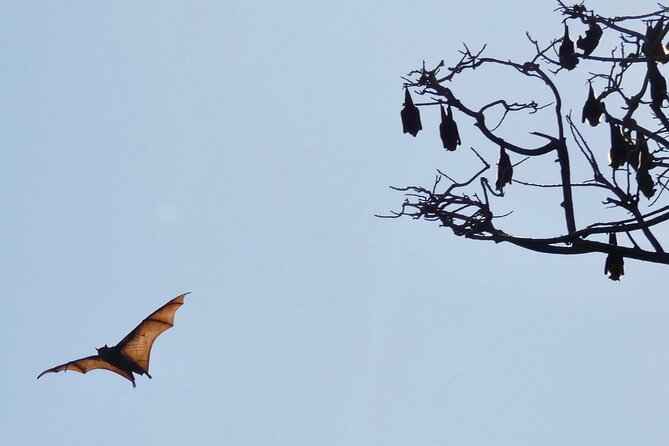
A big part of why this tour earns top marks is the guide. Dave stands out for two reasons: he’s friendly, and he knows where to find the bats and how to help everyone see them.
In practice, that means you’re not just listening to information from the side. You’re getting guidance that helps you keep your eyes in the right place. People also mention that Dave provides extra tools like binoculars and helps with photo setups, which takes the guesswork out of wildlife photography.
You’ll also have plenty of time for questions. With a max group size of 14, the guide can respond to the room instead of speaking over it. If you’re the type who likes to understand what you’re seeing—habits, behaviors, and why the species is in trouble—you’ll feel looked after.
The photo advantage: high-zoom cameras (plus binos)
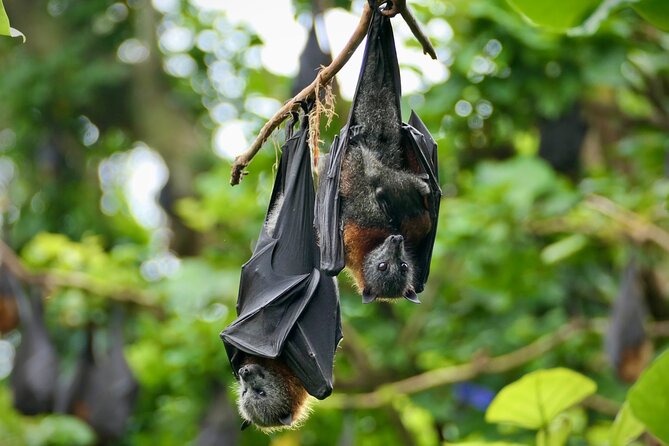
One of the smartest perks here is the high-zoom cameras provided. Phone cameras can work, but bats move fast and lighting can be tricky. With proper zoom, you get a much better chance of capturing what matters: wingspan, facial detail, and the colony’s activity.
You’ll also get binocular support. That combo is great for people who want two levels of viewing:
- binoculars for quick scanning and close detail
- zoom cameras for the keep-sake shots
What I like most is that the guide helps make results more likely. Some participants say Dave shares images taken with a telephoto lens after the tour and helps connect the photos to your device for downloading. Even if you don’t care about photography much, it’s still a value add, because you’ll walk away with memories that look like the real thing.
Tip: when bats start moving, don’t rush. Get your framing first. Then shoot in short bursts. It’s the difference between a blurry wing and a photo that actually shows the wingspan.
- Blue Mountains Small-Group Tour from Sydney with Scenic World,Sydney Zoo & Ferry
★ 5.0 · 3,709 reviews


Timing it right: how 2 hours 30 minutes plays out
This is a short outing—about 2 hours 30 minutes—which is perfect if you want a wildlife moment without taking over your whole day in Sydney.
In a typical flow, you’ll:
- meet near Circular Quay and head to the reserve
- spend focused time learning about the fruit bats and viewing them closely
- use the camera gear and binoculars during the encounter
- wrap up and return to the meeting area
The best part is the pace. People describe it as well organized but relaxed, meaning you’re not constantly getting yanked from one spot to another. With wildlife, the “middle minutes” matter, and that’s when the guide’s patience helps.
Also note: since it’s weather-dependent, you should dress for the outdoors. Bring layers you can adjust. If conditions aren’t right, the tour may be moved or refunded, and you don’t want to be miserable while waiting out clouds or wind.
Snacks, bottled water, and the small comfort wins
This tour includes practical comforts that don’t get flashy marketing, but they make a difference. In the field, people have mentioned snacks and bottled water during the day, plus the sense that the guide is thinking about everyone’s needs.
That matters because bat watching can involve standing still for stretches. You’ll be happier if you’re not hungry or thirsty, and a quick snack helps keep the energy up for the best moments when the bats suddenly become active.
Price check: is $57.38 good value?
At $57.38 per person, this is priced like an activity, not a big-day tour. The value comes from what’s included in the time:
- you get transport from the Circular Quay area to the reserve and back
- you get access to a close-view bat colony setting
- you get provided zoom cameras and binocular support
- you get a small-group guide (max 14) with Dave’s wildlife spotting skills
- you also get snacks and bottled water, which is a real bonus for a morning outing
If you tried to replicate this on your own, you’d pay for transit and still have no guarantee you’d find an active colony. Here, the whole structure is designed for viewing and photographing the bats with less wasted time.
For me, the deciding factor is the photo support. If you care about taking home images, provided zoom gear turns a cool sight into a real souvenir.
Who should book (and who might skip)
I’d book this if you want a close, memorable wildlife encounter without a full day commitment. It’s a strong fit for people who:
- enjoy nature and want to learn why species are endangered
- like small groups and question-friendly guides
- care about getting good photos, not just quick phone snaps
It also works well for mixed ages. One common theme in the experience feedback is that people brought family members and found it enjoyable and manageable.
The main reason to hesitate is simple: if you feel strongly uneasy around bats or wildlife, you might want to choose a different Sydney nature outing. Even though the tour is organized and guided, you are still watching wild flying foxes up close.
Should you book the Flying Fox Experience?
Yes, if your priority is a real, close-up look at Australia’s largest bat colony and you’d like help getting photos that actually show the wingspan. For $57.38, the combination of small-group attention, provided high-zoom camera support, and Dave’s spotting skills makes it feel like a smart Sydney add-on, not a gamble.
If weather looks shaky where you are staying, keep your plan flexible. This experience depends on conditions, so you want to choose a day you can roll with.
FAQ
What is the duration of the Flying Fox Experience?
The experience lasts about 2 hours 30 minutes.
How much does it cost?
It’s listed at $57.38 per person.
Where do I meet the guide?
You meet at Thomas Sutcliff Mort, 36 Bridge St, Sydney NSW 2000, near Circular Quay.
What time does the tour start?
The start time is 10:00 am.
How big is the group?
The tour has a maximum of 14 travelers.
Do they provide cameras for photos?
Yes. High-zoom cameras are provided to help you capture photos of the bats.
Is there a mobile ticket?
Yes, you’ll use a mobile ticket.
What happens if the weather is poor?
This experience requires good weather. If it’s canceled due to poor weather, you’ll be offered a different date or a full refund.
Can I get a refund if I change my mind?
Free cancellation is available up to 24 hours in advance for a full refund. Canceling later than that may not be refunded.
Where does the tour end?
The activity ends back at the meeting point.
You Might Also Enjoy

More Tour Reviews in Sydney
- Blue Mountains Small-Group Tour from Sydney with Scenic World,Sydney Zoo & Ferry
★ 5.0 · 3,709 reviews