REVIEW · BLUE MOUNTAINS
Stargazing with an Astronomer in the Blue Mountains
Book on Viator →Operated by Blue Mountains Stargazing · Bookable on Viator
Look up, and the Southern Sky snaps into place. This 90-minute stargazing session in the World Heritage Blue Mountains pairs an astrophysicist-led talk with a professional-grade telescope and laser-guided sky pointers.
I love the hands-on feel: you can ask questions and see real targets, not just pretty photos. Guides such as Nathan, Tom, and Alka bring the night sky down to earth fast, even if it’s your first time under Southern skies.
One thing to think about: weather can change how close you get to the lookout, and windy nights may shift the viewing spot. If it’s really bad, you’ll choose between rescheduling on voucher/credit or switching to an indoor planetarium session.
In This Review
- Key things to know before you look up
- Southern Hemisphere skies in the Greater Blue Mountains
- Meeting at Wentworth Falls Lookout Track (and what to expect from the start)
- The professional telescope: what you might see in 90 minutes
- Constellation storytelling with laser guidance (and fast learning)
- Hot chocolates, warm drinks, and staying comfortable while your eyes adapt
- Weather plan: reschedule voucher or indoor planetarium
- Language, Q&A, and the small-group feel (max 20)
- Value check: is $60.97 worth it?
- Who should book this Blue Mountains stargazing night
- Should you book Stargazing with an Astronomer in the Blue Mountains?
- FAQ
- FAQ
- How long is the stargazing tour?
- What is the meeting point for the tour?
- How much does it cost per person?
- What language is the tour offered in?
- Is the group size limited?
- Is there a telescope?
- Are drinks provided?
- What can I see through the telescope?
- What happens if the weather is bad?
- Is the tour accessible for wheelchairs and strollers?
Key things to know before you look up
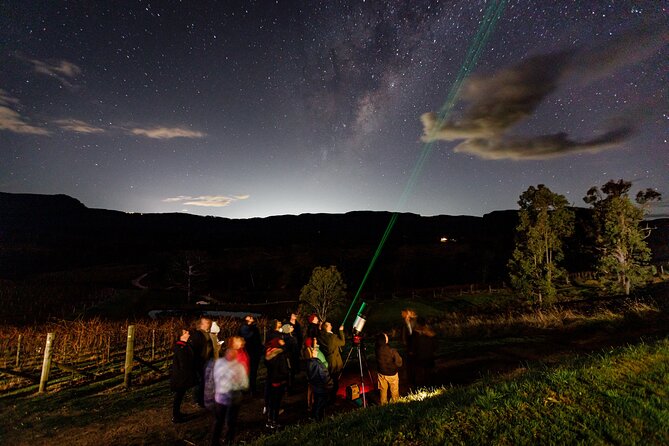
- Pro telescope time focused on major sights like the Moon, planets, nebulae, and star systems
- Laser-guided constellation storytelling that helps you get your bearings quickly
- Warm or cold drinks, including complimentary hot chocolates, depending on the night
- Small group (max 20) with Q&A time with the astronomer
- Weather Plan B: reschedule via voucher/credit or an indoor dome planetarium tour (min 8 needed)
Southern Hemisphere skies in the Greater Blue Mountains
The Blue Mountains sit in the Greater Blue Mountains area, and this tour leans into the big advantage: darker night skies than you’ll find in many cities. That matters because stargazing is mostly about contrast. When the sky is steady and dark, stars stop being “points” and start feeling like a map.
You’re also watching from the Southern Hemisphere, which flips the usual sky-catalog in a fun way. Expect moments like learning where the Southern Cross fits, then seeing it clearer as twilight turns into full night. One of the strongest takeaways from the experience is how fast your brain can start recognizing patterns when someone walks you through them.
And yes, you can get real “wow” views without needing to know any astronomy terms. The tour is built for first-timers, while still giving enough detail that returning skywatchers can stay engaged.
You can also read our reviews of more tours and experiences in Blue Mountains.
Meeting at Wentworth Falls Lookout Track (and what to expect from the start)
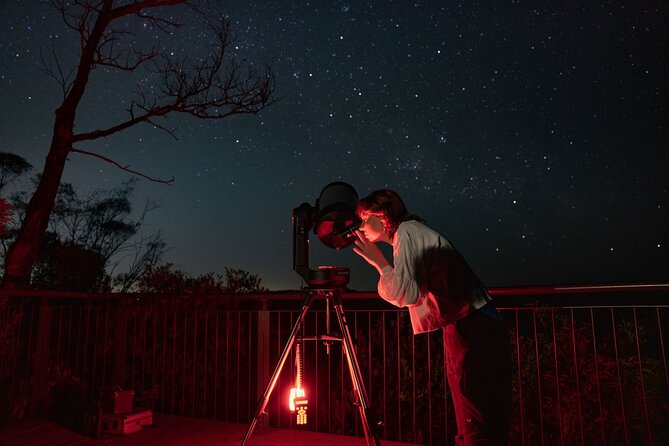
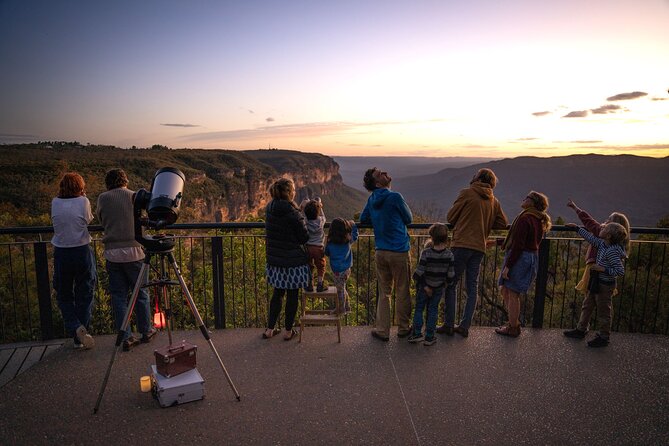
The tour starts at Wentworth Falls Lookout Track in New South Wales. It runs about 1 hour 30 minutes and ends back at the meeting point, so you’re not dealing with a complicated route or a long after-hours transfer.
This is also a small-group setup (max 20), which helps with two things: telescope line flow and the Q&A. If you’ve ever felt lost in a big group tour where you can’t get answers, this format is much more workable.
One practical thing I’d plan for: wind. Reviews mention situations where the viewing happened in a park rather than right at the lookout when it got breezy. That doesn’t mean the night was ruined—it usually means the guide is adjusting to conditions so you can still see and learn. Keep your plans flexible enough for a minor location change.
The professional telescope: what you might see in 90 minutes
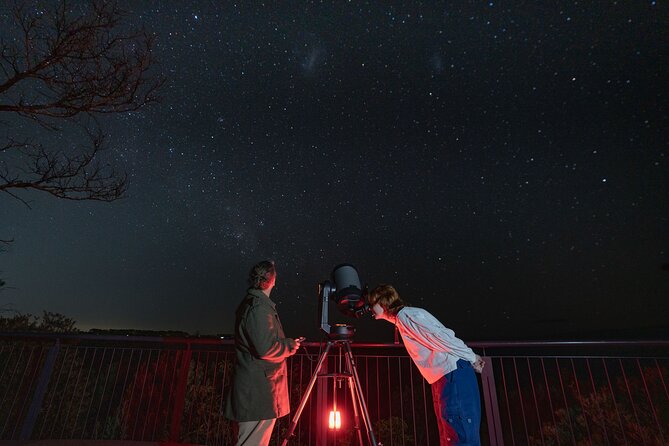
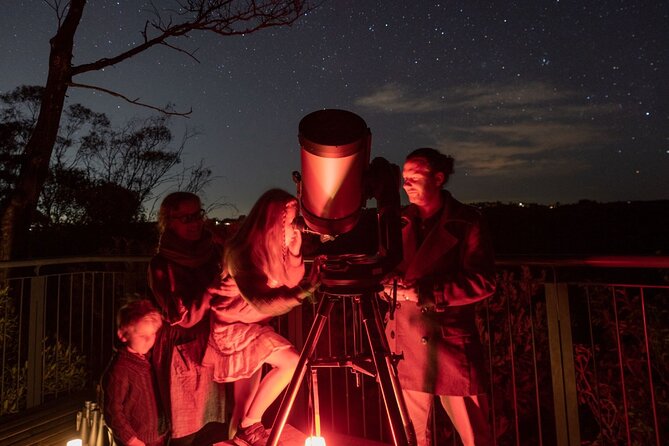
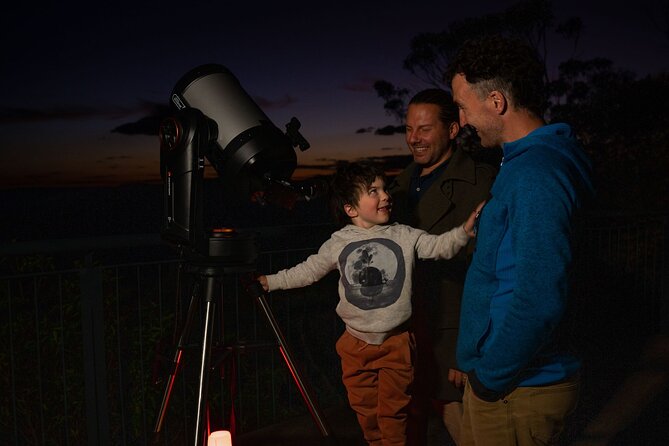
A lot of stargazing tours show you the sky and hope for the best. This one adds a state-of-the-art, professional-grade telescope, plus astronomy binoculars. The result is that you’re not only learning where things are—you’re often seeing them close enough to feel like they have texture.
Depending on the night and time of year, the tour may include views like:
- The Moon, including craters
- Bright planets such as Mars and Venus
- Saturn’s rings
- Jupiter’s moons
- The Orion Nebula
- Star clusters
- Double and triple stars
- Deep space objects, including galaxies and the Milky Way
The big “value” piece here is pacing. You don’t get an endless, slow telescope session where you wonder if you missed your chance. Instead, it’s guided targets in a tight window, with enough variety to keep things interesting as your eyes adjust.
Also, don’t assume every session looks the same. Some nights will be more Moon- and planet-heavy. Others may lean into nebulae and star systems. That’s not a downside—it’s how astronomy works in the real world.
And if satellites pop into view (they have on past nights), that’s a bonus you can catch when the sky cooperates.
Constellation storytelling with laser guidance (and fast learning)
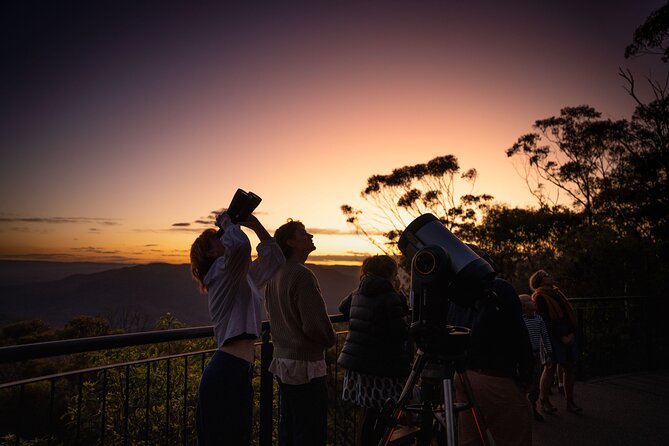
The tour uses laser-guided constellation storytelling, plus you’ll learn how to identify constellations with the naked eye. That’s the underrated skill here. Once you can spot just a couple of key patterns, the rest of the sky stops being random.
This is also where the astronomer really shapes the experience. Past sessions run by guides like Nathan, Tom, and Alka were praised for making the sky feel approachable and for staying engaged with questions. You get Q&A time rather than a one-way lecture, which keeps you from falling into the trap of watching the sky politely while asking nothing.
Here’s what I think works well for your first night out: the tour builds a mental ladder. You start with easy-to-follow anchors, then your “map” becomes more detailed as the night darkens. That’s how people go from not finding much to suddenly recognizing something like the Southern Cross and watching it lock into place.
If you’re traveling with kids or non-science friends, this format usually lands better than a strict science class. It’s still real astronomy, but told in a human way.
Hot chocolates, warm drinks, and staying comfortable while your eyes adapt
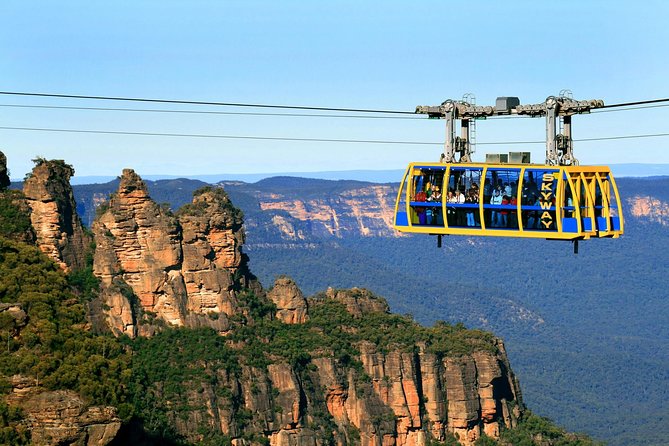
You’ll get warm or cold drinks provided, weather dependent, plus complimentary hot chocolates. On a cold night, that matters more than you might think. Stargazing asks for patience, and comfort keeps you from shifting your attention to your discomfort.
Reviews also mention warm blankets, which is exactly the kind of practical detail that turns a “we stood outside for an hour” outing into a stay-longer experience. Even with blankets, you’ll want to dress in layers, because nighttime in the Blue Mountains can change faster than you’d expect.
A small but important tip: let your eyes do their job. When you’re looking through a telescope, your perception is already narrowing. If you keep going back and forth between bright lights and dark viewing, it takes longer for the sky to sharpen for you. Try to keep phone brightness low during transitions, and follow the guide’s rhythm.
When the drinks are timed well and the group is guided steadily, you end up enjoying the waiting, not suffering through it.
Weather plan: reschedule voucher or indoor planetarium
This tour is weather dependent. If conditions are poor, you’ll receive two options at 1pm on the day:
- Get a gift voucher/credit to reschedule (transferable to other people and valid for 3 years)
- Attend an alternative 90-minute indoor planetarium astronomy tour inside a dome with a powerful projector and cinema-style experience
Note: the indoor tour needs a minimum of 8 guests to run.
The no-refund piece for bad weather isn’t my favorite part of the policy. But the tradeoff is that you’re not stuck with nothing. You still get a space-focused experience either by rescheduling with credit or by switching to the indoor session when the sky won’t cooperate.
One useful detail: if you haven’t received an email at 1pm, it means the stargazing tour is confirmed. That’s a clear, simple rule, and it lets you plan the rest of your evening without constant anxiety.
If you hate uncertainty, this is still manageable—just be ready to choose quickly if 1pm brings bad news.
Language, Q&A, and the small-group feel (max 20)
The tour runs in English and French, so you should be able to follow comfortably in your preferred language. That bilingual option is a big plus if you’re traveling with family or friends from different backgrounds.
With a maximum of 20 travelers, the guide can actually connect with the group. This is one of the reasons the Q&A tends to matter. You get time to ask what you want to see, and you’re not lost in a crowd.
This matters most if you have specific questions like how to find certain constellations, or what you’re seeing through the telescope. When the group is small, those questions don’t get swallowed.
Accessibility is also part of the design: the experience is wheelchair and stroller accessible, and service animals are allowed. The tour is also near public transportation, which helps if you’re not bringing your own car.
Value check: is $60.97 worth it?
At $60.97 per person, you’re paying for more than “standing outside and looking up.” The price reflects a real working astronomer, telescope equipment, guided constellation narration, and included drinks (hot chocolate in particular). It also includes the time pressure in a good way: you get around 90 minutes where the guidance targets the best celestial opportunities for that night.
What makes it feel like value is the combination:
- Professional telescope time
- Laser-guided sky directions
- Q&A with the astronomer
- Drinks, including hot chocolate
If you tried to self-guide this from scratch, you’d still need a telescope or binocular setup and you’d need to know what to look for and when. Most people don’t. This tour saves you that learning curve while giving you actual sky views.
So yes, it’s a paid experience—but it’s the kind where you can see tangible results quickly.
Who should book this Blue Mountains stargazing night
I’d book this if you’re:
- Visiting the Blue Mountains and want a different evening plan beyond hiking
- A first-time Southern sky viewer who wants the Southern Cross moment
- Interested in astronomy but don’t want to guess your way through constellations
- Traveling with kids or mixed-skill adults who still want real telescope views
It’s less ideal if you’re expecting an all-night, slow drift through the sky with maximum quiet. This is a guided program with structured targets, not open-ended wandering. Also, if you dislike any chance of wind affecting the exact viewing spot, keep your expectations adaptable.
That said, the overall vibe is friendly and straightforward. Even if you don’t know a constellation from a planet, you’ll get a workable sky map by the end.
Should you book Stargazing with an Astronomer in the Blue Mountains?
Yes, I think you should book it—especially if you want a guided night that mixes learning with actual telescope viewing. The strongest part is the way the guide helps you get oriented fast, then follows through with real targets like the Moon, nebulae, and planets when conditions allow.
Just go in with two smart expectations: weather can shift plans, and the “best” sights depend on the night and season. If you can handle that small uncertainty, you’ll come away with a clear sense of the Southern sky and a story you’ll remember long after the telescope lights go off.
FAQ
FAQ
How long is the stargazing tour?
It runs for approximately 1 hour 30 minutes.
What is the meeting point for the tour?
The tour starts at Wentworth Falls Lookout Track, New South Wales, Australia, and ends back at the same meeting point.
How much does it cost per person?
The price is $60.97 per person.
What language is the tour offered in?
The tour is available in English and French.
Is the group size limited?
Yes. The tour has a maximum of 20 travelers.
Is there a telescope?
Yes. The experience includes a professional-grade telescope, plus astronomy binoculars.
Are drinks provided?
Yes. Warm or cold drinks are provided depending on the weather, and complimentary hot chocolates are included.
What can I see through the telescope?
Depending on the night and time of year, you might see things such as the Moon (including craters), Mars, Venus, Saturn’s rings, Jupiter’s moons, the Orion Nebula, star clusters, double and triple stars, and deep space objects like galaxies and the Milky Way.
What happens if the weather is bad?
At 1pm on the day, you’ll choose between receiving a gift voucher/credit to reschedule (valid for 3 years and transferable) or attending an alternative 90-minute indoor planetarium astronomy tour. The indoor tour requires a minimum of 8 guests.
Is the tour accessible for wheelchairs and strollers?
Yes. The experience is wheelchair and stroller accessible, and service animals are allowed.