REVIEW · BLUE MOUNTAINS
Small-Group Weekend Rock Climbing Adventure from Katoomba
Book on Viator →Operated by Australian School Of Mountaineering · Bookable on Viator
Ready for real cliffs after the gym
This Katoomba weekend is built for first-timers who want safe outdoor skills without the guesswork, and you get a full 2 days of hands-on climbing in the Blue Mountains. I like how the pace starts with belaying, rope handling, and abseiling fundamentals, then turns right back to the rock so learning sticks. One thing to weigh is that the course depends on good weather, and conditions can affect what you do that day.
What I like most is how much you actually practice. Day one doesn’t just lecture safety—it teaches knots, anchors, and correct belay technique, then moves you onto graduated climbs while instructors stay close. I also love that everything is included: equipment, helmets, harnesses, ropes, and lunch, so you can show up without hunting gear or arranging transfers.
A possible drawback: you’re expected to have moderate physical fitness and comfort with heights. If you’re nervous about abseiling or moving on rock, tell your instructor right away—this course is designed for beginners, but it still involves real climbing movements.
In This Review
- Key highlights you’ll feel on the rock
- Katoomba morning start: 8:45 at Paddy Pallin Adventure Centre
- Day one: safety awareness, belaying skills, and abseiling practice
- The abseiling factor: why it’s a big deal for first-timers
- Day one logistics: equipment, lunch, and keeping the day comfortable
- Day two: simple joys of climbing on varied routes
- Value for money: what $394.48 buys you (and why it’s not just a discount tour)
- Weather, safety, and fitness: what you should be ready for
- Who this weekend course fits best (and who might want a different starting point)
- What kind of instructor support you’ll likely get
- Should you book the Blue Mountains Rock Climbing weekend from Katoomba?
- FAQ
- What’s the meeting point for the course?
- What time does the weekend course start?
- How long is the experience?
- Do I need prior climbing experience?
- What’s the group size limit?
- What gear is included?
- What’s included in the price, and what’s not?
- What if weather is poor or I need to cancel?
Key highlights you’ll feel on the rock
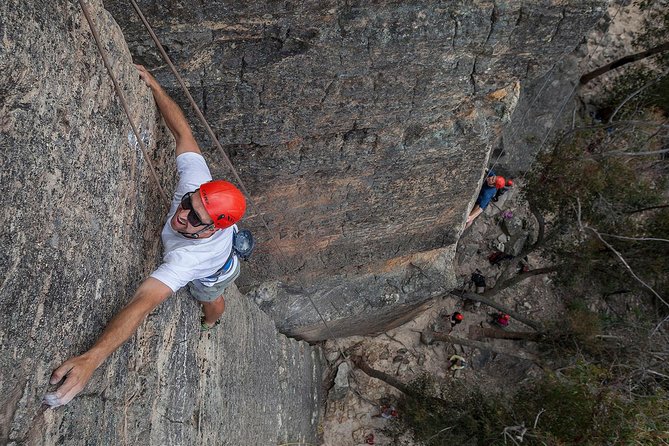
- Small-group format (max 15) helps you get individual coaching when you’re learning knots, belays, and abseiling.
- Day one is fundamentals-first: safe movement on rock, rope handling, tying knots, and building belay anchors.
- Abseiling is part of the training, so your first outdoor weekend isn’t just “watch and hope.”
- Guided graduated climbs mean you’ll move up in difficulty at a pace your group can handle.
- All equipment is supplied, from harnesses and helmets to technical hardware and climbing shoes.
- Instructors adjust to your level, with past groups having worked with guides including Liam, Pedro, Scott, Zuza, Lewis, and (on related ASM activities) Sammy and Dave.
Katoomba morning start: 8:45 at Paddy Pallin Adventure Centre
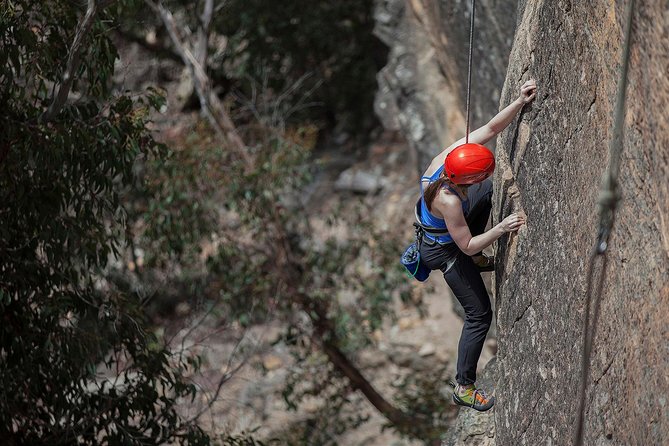
The weekend begins at 8:45am at 166 Katoomba St, Katoomba NSW 2780, at the Paddy Pallin Adventure Centre. You’ll meet, get your bearings, then board your vehicle for the area where you start the first part of the day.
This early start matters more than it sounds. Rock courses live and die by time because daylight, weather, and transport all affect when you can practice rope skills and climb. Starting on schedule also helps the instructors build a calm rhythm—safety basics first, then time on the rock while you’re still fresh.
If you’re driving, give yourself buffer time to park and check in. The tour includes no hotel pickup, so plan to arrive under your own steam at the meeting point.
You can also read our reviews of more tours and experiences in Blue Mountains.
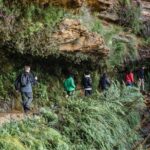

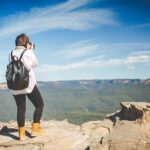
Day one: safety awareness, belaying skills, and abseiling practice
Day one is where the course earns its keep. You start with safety awareness and core belaying skills, then move to the rock quickly so you learn in context—not in theory.
You’ll cover the building blocks that make outdoor climbing work:
- Art of safe movement on rock (how to move efficiently instead of flailing for holds)
- Using climbing equipment correctly
- Efficient use of holds and learning how to read the wall
- Rope handling basics you’ll need for smooth, safe sessions
- Tying knots and why the details matter
- Belay anchors and how to set them up
- Correct belay technique, so your partner stays protected
- How to use various footholds and handholds
- Abseiling, including modern setup and technique with up-to-date equipment
The big win for beginners is that you’re not left to puzzle it out. You learn what to do, how it should feel, and what to check before you commit. With instructors like Liam and Pedro (names that have shown up leading ASM rock outings), the common thread is clear instruction paired with patience—exactly what you want when you’re learning knots and suddenly the rope is real, not imaginary.
Then you’ll work through graduated climbs with the instructor right there. “Graduated” is the key word: it generally means you start with climbs matched to your comfort and technique, then progress as your ropework and movement improve.
The abseiling factor: why it’s a big deal for first-timers
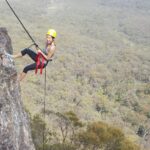
Abseiling can feel like the scariest part of an outdoor climbing course. That’s normal. What makes this weekend valuable is that abseiling isn’t treated as a jump-scare moment; it’s folded into the training sequence.
By the time you practice, you understand:
- how the rope system should be handled
- what to verify before descending
- the movement rhythm needed to stay in control
If you’re coming from indoor climbing, you may already know how to clip and climb. Abseiling adds the other half of outdoor climbing—control on the way down.
Day one logistics: equipment, lunch, and keeping the day comfortable

This course is very “show up and climb.” All technical equipment is supplied—ropes, helmets, harnesses, technical hardware, and climbing shoes. That alone can make the weekend better value than DIY climbing with rentals, because you’re not managing gear stress while learning.
Lunch is included each day. The day includes time for a picnic-style break in the bush with a tasty lunch, and you should flag dietary requirements when you book. I like that this keeps the day from turning into a scramble to find food right after you’ve warmed up and learned your first rope commands.
Practical tip: wear clothes you can move in. Outdoor rock climbing tends to chew up your patience if you’re in anything restrictive or not comfortable when you’re kneeling, scrambling, or adjusting straps.
Day two: simple joys of climbing on varied routes

Day two shifts from skills drilling into the part you came for—climbing. The goal is straightforward: learn and develop skills and techniques as you climb, with your instructor aiming to take you on as many varied climbs as possible.
What that means in practice is more repetition and more exposure. Instead of spending the whole day on “here’s how,” you get more chances to:
- apply rope handling and belaying basics with real timing
- practice footwork and grip choices on different rock lines
- build confidence by trying climbs that feel just out of reach at first
This is where the small-group size shows up again. You’re not swallowed by a big crowd. You get time to rest, reset, and then go back up with corrections you can actually use on the next attempt.
If your motivation is “I want to become the kind of person who can climb outside,” day two is where that identity starts. You’ll be learning to climb with experienced leaders on short, moderately graded rock climbs after completing the weekend—so this becomes a stepping stone, not a one-off thrill.

Value for money: what $394.48 buys you (and why it’s not just a discount tour)
At $394.48 per person for about 2 days, this isn’t a cheap way to try climbing. But it also isn’t just paying for a guide to stand nearby.
You’re paying for:
- National Park fees included in the price
- a professional guide
- all equipment (so you aren’t adding rental costs or troubleshooting compatibility)
- lunch each day
- GST
For beginners, costs add up fast when you try to DIY outdoor climbing. You need gear, knowledge, and a safe plan—plus the time to figure it out. This weekend compresses that learning and risk management into a structured format with certified climbing instructors.
Also, the max 15 travelers cap matters for value. More people can mean less coaching time. Here, the group size supports real feedback when you’re learning belays and abseil technique.
My rule of thumb: if you want your first outdoor climbing experience to feel fun instead of stressful, paying for training plus gear plus instruction is usually the better deal.
Weather, safety, and fitness: what you should be ready for

This experience is weather-dependent. If conditions aren’t right, you’ll be offered a different date or a full refund. That’s not just fine print—it’s part of why this course stays safe and teachable.
You should also plan around the fact you’ll be active for two days outdoors. The info calls for moderate physical fitness. That doesn’t mean you need to be an athlete. It means you should be comfortable with climbing movement, repeated up-down effort, and using your arms and legs for technical actions like controlling rope and shifting grips.
Finally, have a reality check on heights and controlled descents. If you’re uneasy about abseiling, that doesn’t automatically disqualify you, but be honest early. The course is designed for beginners, and instructors can adjust the way they teach and progress you.
Who this weekend course fits best (and who might want a different starting point)

This is a strong match if you:
- have little or no previous outdoor climbing experience
- want a step up from the gym into the real Blue Mountains context
- want a structured introduction to belaying and abseiling
- like learning with hands-on guidance rather than watching from the sidelines
It’s also useful if you’re already an indoor climber and you want the missing outdoor pieces. Indoor skills transfer, but outdoor rope systems and abseiling change the game.
For the most seamless learning experience, come with an open mind and the willingness to repeat basics. Rope skills can feel fiddly at first. That’s normal. The weekend is set up so you build confidence over time.
What kind of instructor support you’ll likely get
Even though each instructor’s style can vary, the training approach is consistent: safety comes first, then you climb. Names from past ASM rock learning weekends include Scott, Liam, Pedro, Zuza, and Lewis, and the overall pattern is clear focus on safety plus adjusting the climbing to a group’s grade and comfort level.
That adjustment is important. It’s one thing to be told you can climb. It’s another to have your climb size and challenge dialed so you learn without getting overwhelmed.
Should you book the Blue Mountains Rock Climbing weekend from Katoomba?
I’d book this if you want outdoor climbing coaching that’s structured, gear-included, and built for first-timers. The combo of belaying fundamentals + abseiling training + guided practice climbs is exactly what most people need to feel competent outdoors rather than just thrilled for an afternoon.
If you hate heights, hate repeating skills, or don’t want weather flexibility in your plans, you might want to consider a different kind of outdoor day trip or a more gradual climbing introduction. But if you’re excited by the idea of learning real rope skills in the Blue Mountains, this weekend is a solid way to get there.
FAQ
What’s the meeting point for the course?
The start point is 166 Katoomba St, Katoomba NSW 2780. The activity ends back at the same meeting point.
What time does the weekend course start?
The start time is 8:45am.
How long is the experience?
It runs for 2 days (approx.).
Do I need prior climbing experience?
No. It’s designed for participants with little or no previous outdoor climbing experience, and it’s also a good transition from indoor climbing.
What’s the group size limit?
The course has a maximum of 15 travelers.
What gear is included?
All technical equipment is supplied, including ropes, helmets, harnesses, technical hardware, and climbing shoes.
What’s included in the price, and what’s not?
Included items are National Park fees, a professional guide, all technical equipment, and lunch each day (plus GST). Not included are accommodation and hotel pickup/drop-off, and drinks are not included unless specified.
What if weather is poor or I need to cancel?
The experience requires good weather. If it’s canceled due to poor weather, you’ll be offered a different date or a full refund. You can cancel for a full refund up to 24 hours in advance of the start time.