REVIEW · SYDNEY
WILD LIFE Sydney Zoo
Book on GetYourGuide →Operated by Merlin Entertainments Group · Bookable on GetYourGuide
One quick ticket, a whole Australia detour. WILD LIFE Sydney Zoo puts iconic marsupials and reptile life into walk-through habitats right in Darling Harbour, so you get hands-on wildlife time without a long day of commuting. I especially like the close-up kangaroo and rock-wallaby moments and the fact that the keeper talks turn animal spotting into something you can actually learn from. The main trade-off: it’s a compact zoo, so it can feel crowded depending on when you go, and some people may not love the snake-in-the-foliage vibe.
If you’re short on time, this is one of the easiest ways to tick off a big slice of Australian wildlife in a single afternoon. You’ll wander through nine Aussie-themed habitat zones built to feel like different parts of the country, from rocky outcrops to rainforest and Top End-style water edges. Just plan around the opening window (10:00 AM–4:00 PM, last entry 3:00 PM) so you don’t end up outside with daylight still on your side.
In This Review
- Quick Reasons I Think This Zoo Works
- WILD LIFE Sydney Zoo in Darling Harbour: Australia in a small footprint
- The animal lineup you’ll feel excited about: koalas, kangaroos, wombats, and more
- Walking through the habitat zones: Wallaby Cliffs to the Top End feel
- Wallaby Cliffs: the rocky watch-and-wait section
- Wombat burrows and grassland grazing
- Rainforest recreation: Daintree Rainforest vibes
- Top End feel: Kakadu Gorge and water-edge life
- Crocodile time: say hello to Rex
- Butterflies and snakes: the exhibits that add surprise
- Keeper talks: how to make your visit more than sightseeing
- Timing and heat strategy: plan for a 10:00 AM–4:00 PM visit
- Price and value: is $27 a good deal?
- What to watch out for: crowds, extra costs, and the small practical stuff
- Who should book WILD LIFE Sydney Zoo?
- Should you book WILD LIFE Sydney Zoo?
- FAQ
- FAQ
- Where is WILD LIFE Sydney Zoo located?
- How much does WILD LIFE Sydney Zoo cost?
- What are the current opening hours and last entry?
- What’s included with entry?
- What’s not included?
- Can you walk with kangaroos?
- What animal highlight is mentioned by name?
- How long is the experience valid for?
- Is it wheelchair accessible and in what language are hosts?
Quick Reasons I Think This Zoo Works
- Walk-with kangaroos energy: you’re not just watching from a distance
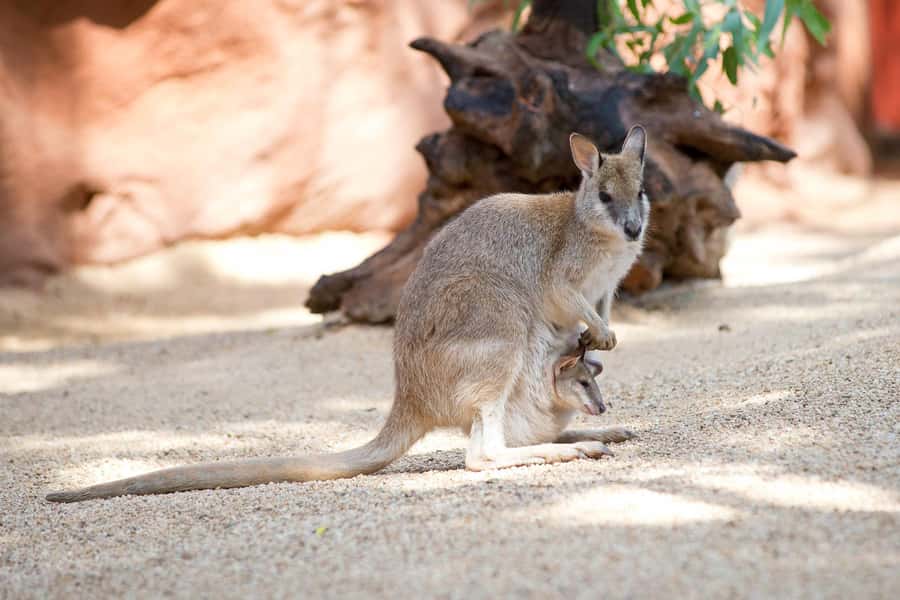
- Wallaby Cliffs for yellow-footed rock-wallabies: a standout habitat people love lingering in
- Daintree Rainforest + Kakadu Gorge recreations: big-feeling “regions” without leaving Sydney
- Rex the crocodile: a clear, memorable anchor for your visit
- Butterflies and snakes in the foliage: the exhibits add a little thrill to the stroll
- Keeper talks: short, entertaining, and a good way to understand what you’re seeing
WILD LIFE Sydney Zoo in Darling Harbour: Australia in a small footprint
WILD LIFE Sydney Zoo sits in the heart of Sydney at Aquarium Wharf in Darling Harbour. That matters, because it keeps the whole experience low-stress. You can tack it onto a day that already includes harbor sights, without carving out a full travel day.
What you’re buying for your $27 is not a huge “day-long marathon zoo.” It’s a focused, walk-through set of habitat zones designed to compress a lot of Australia into a few hours. The upside is you can keep your momentum. The downside is you’ll spend less time away from people than you would in a sprawling park.
The vibe is part zoo, part wildlife walk. You’re moving through terrain and looking for animals that are meant to be encountered in context—rocky edges, water views, grass-and-burrow setups, and rainforest-style cover. If you like the feeling of “following the habitat,” this works very well.
You can also read our reviews of more tours and experiences in Sydney
- Blue Mountains Small-Group Tour from Sydney with Scenic World,Sydney Zoo & Ferry
★ 5.0 · 3,709 reviews

The animal lineup you’ll feel excited about: koalas, kangaroos, wombats, and more
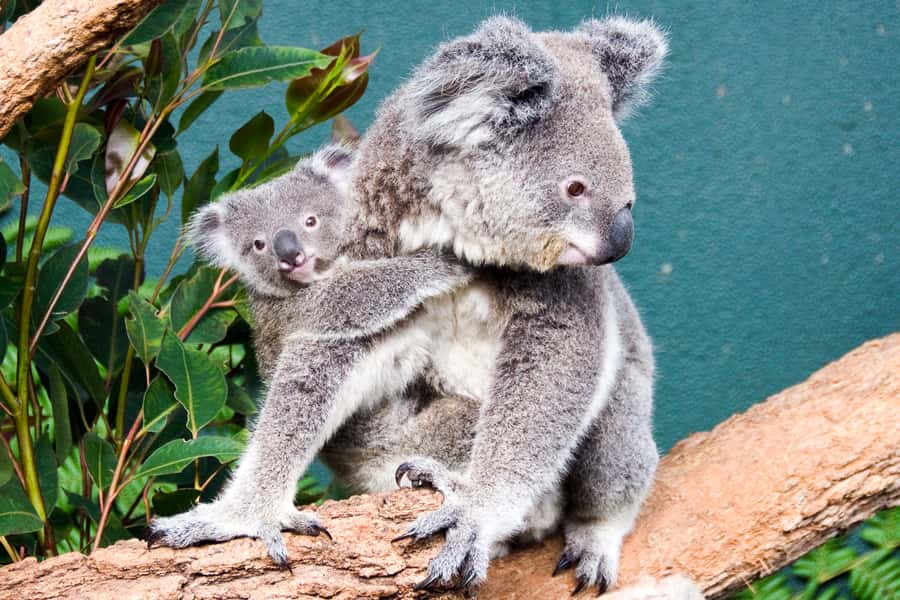
This zoo focuses on Australian animals, and that’s where the value really clicks. Instead of spending your day searching for the usual worldwide zoo suspects, you’re aiming at species that actually belong to this continent.
Here are the big hits you can count on:
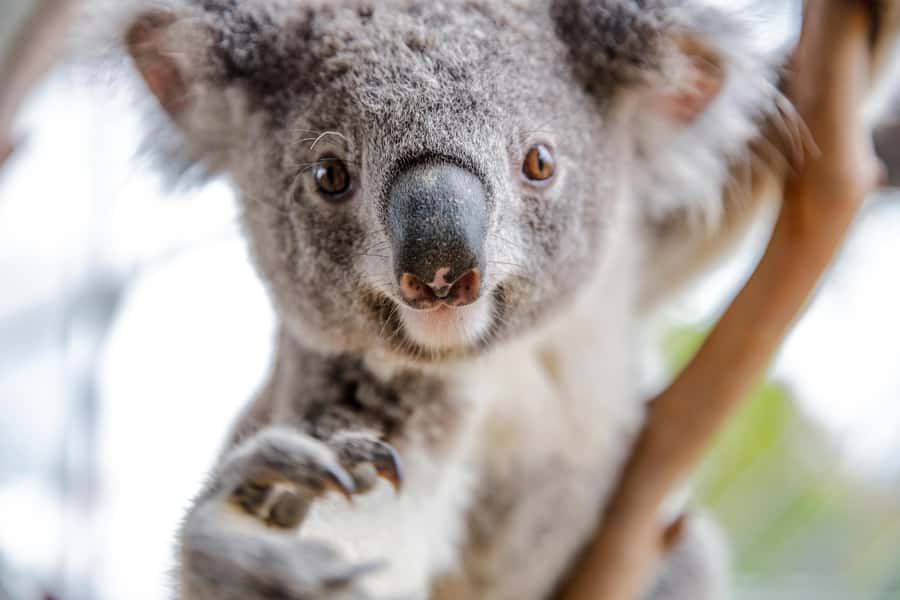
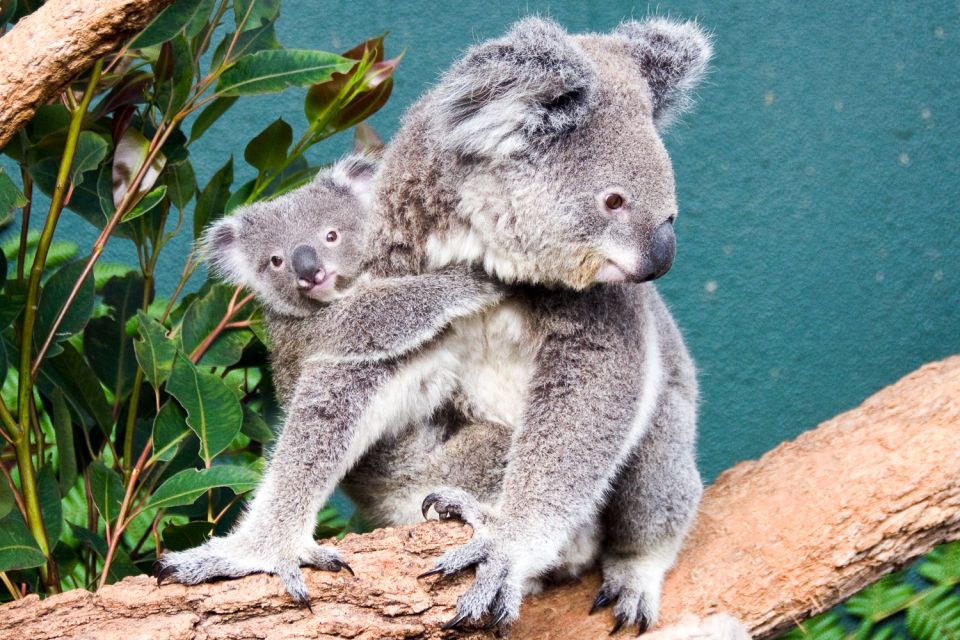
- Koalas and other iconic marsupials (koalas are a major draw here)
- Kangaroos with enhanced, walk-through style contact zones
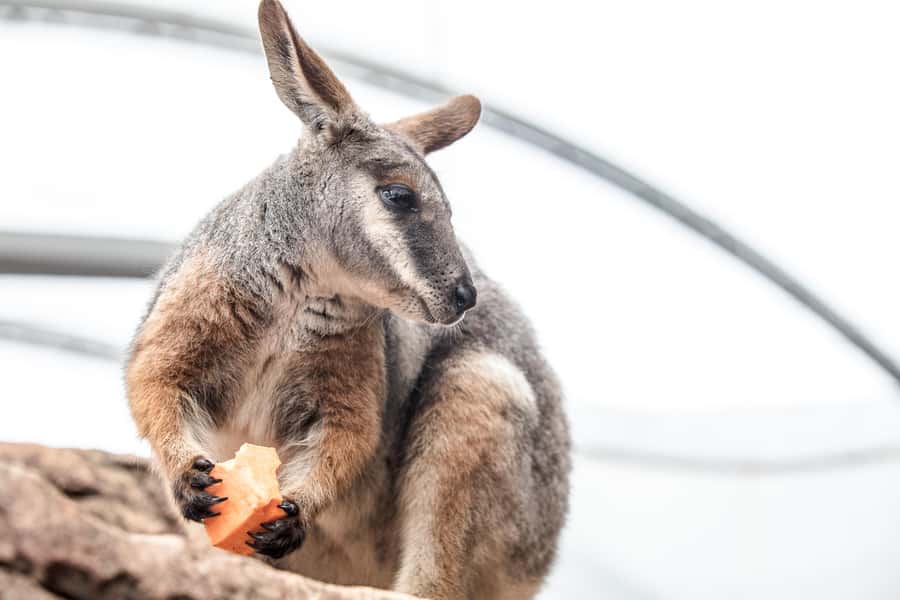
- Yellow-footed rock-wallabies in the rocky Wallaby Cliffs area
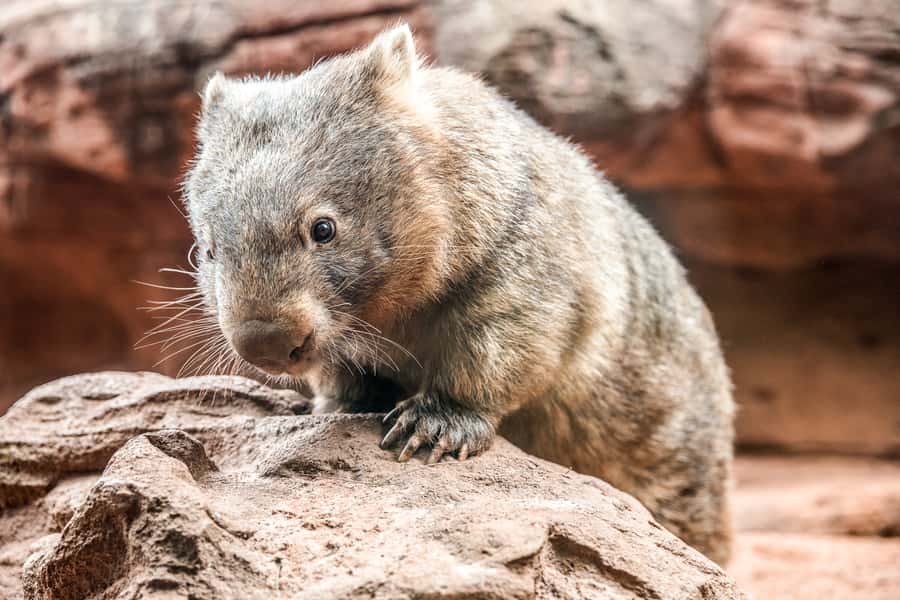
- Hairy-nosed wombats that munch grass and shelter down in burrows
- Crocodiles, including Rex the crocodile for a memorable meet-and-see
- Plus a wider mix of over 100 species of Australian animals
A fun thing to know: this is one of those places where the highlights aren’t only “cute.” You’ll also see creatures that feel tougher and more adapted—the yellow-footed rock-wallaby is often described as incredibly suited to its rocky home, and the crocodile presence adds that real-world edge.
If you’re traveling with kids, this kind of Aussie-focused lineup is ideal. If you’re traveling solo or as a couple, it still makes sense because the exhibits are arranged for quick discovery and repeat viewing of the animals you care about most (especially koalas, kangaroos, and the wallabies).
Walking through the habitat zones: Wallaby Cliffs to the Top End feel
The zoo’s format is simple: you enter, then you walk. There are nine habitat zones, and the design is meant to make each section feel like a different part of Australia, even though you’re staying in Sydney.
Wallaby Cliffs: the rocky watch-and-wait section
One of the most praised spots is Wallaby Cliffs, where you can seek out yellow-footed rock-wallabies. This is the part where you’ll probably slow down. Rock-wallabies are built for agile movement, so you’re not only looking for a “resting animal.” You’re looking for motion—hopping, climbing, and staying alert.
Practical tip: stand in one place long enough. In a compact zoo, you’ll feel tempted to keep walking, but wallaby viewing often rewards patience.
Wombat burrows and grassland grazing
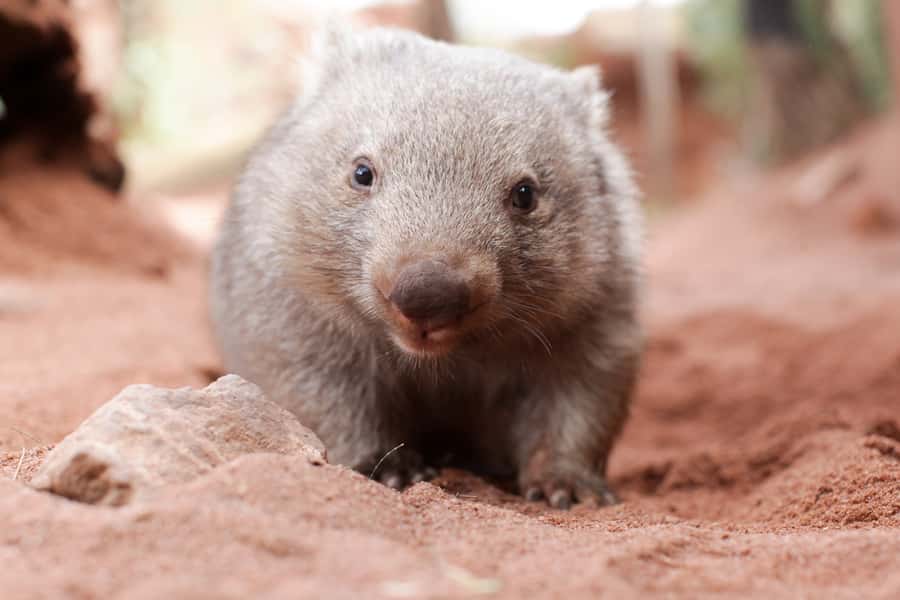
Next, you’ll find the hairy-nosed wombats. The key idea here is “burrows and munching.” Their habitat is built around that routine—grass feeding and shelter down deep in the burrow. It’s a nice contrast to the higher-energy look of wallabies and kangaroos.
If you like animal behavior over pure cuteness, this section tends to deliver. Wombats don’t rush the way some animals do; you get to watch the rhythm.
- Blue Mountains Small-Group Tour from Sydney with Scenic World,Sydney Zoo & Ferry
★ 5.0 · 3,709 reviews

Rainforest recreation: Daintree Rainforest vibes
One of the listed zones is a recreation of the Daintree Rainforest. You’ll experience that more covered, foliage-heavy setting where butterflies show up and where snakes can be present in the scenery. Even if a snake isn’t visible at the exact moment you arrive, the enclosure style changes how you look at the ground cover.
This is also where the “learn while you walk” aspect matters. Keeper explanations and the habitat design help you understand what you’re actually meant to notice.
Top End feel: Kakadu Gorge and water-edge life
You’ll also encounter a recreation of Kakadu Gorge and the wider Northern Territory’s Top End landscapes. The details matter: you’ll see deep gorges, grassland, floodplains, and estuary flats. That’s a lot of variety packed into a walking circuit.
The water element is also a plus. The description notes that you can see turtles and crocodiles glide through the water, so the exhibits aren’t just land scenes. You get chance after chance to spot motion on the surface or near edges.
Crocodile time: say hello to Rex
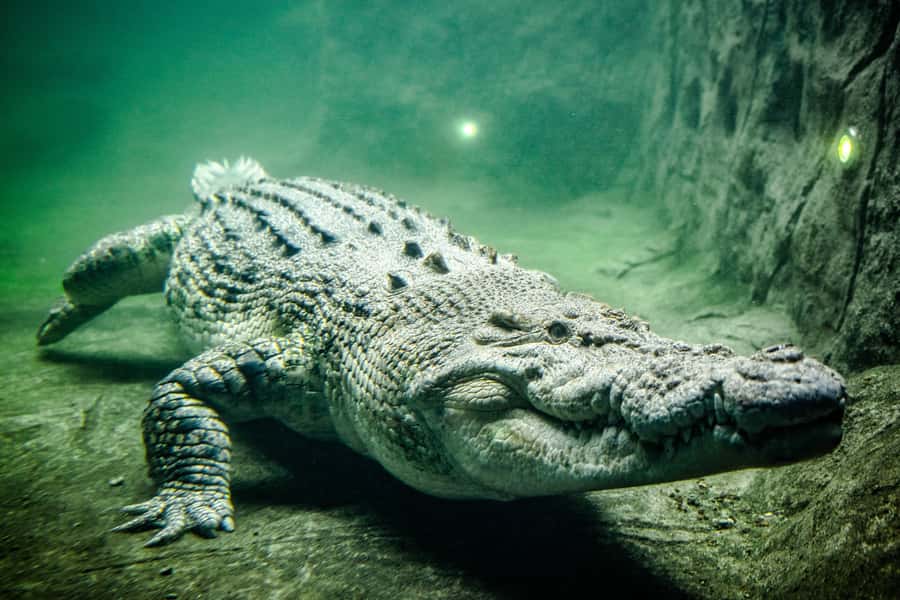
If you want one clear “must-see,” it’s Rex the crocodile. Crocodiles can be intimidating in concept, but in a zoo setting you get a controlled look at how they move and where they hang out in their habitat.
Rex gives you something to aim for. And once you’ve seen one crocodile well, it makes the rest of the reptile viewing feel more meaningful.
Butterflies and snakes: the exhibits that add surprise
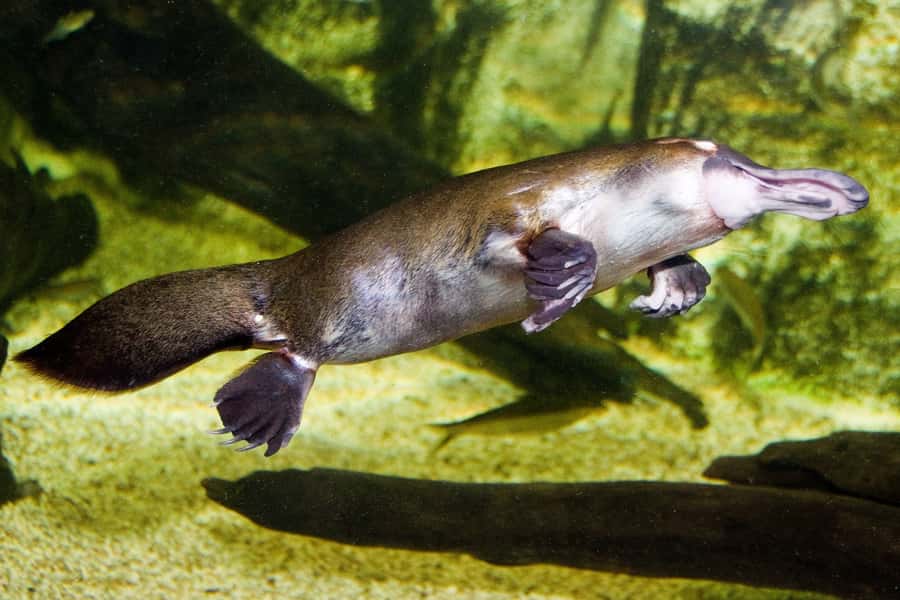
This is not a zoo that stays in the safest, pastel-only lane. There are colorful butterflies and snakes in the foliage. For some people, that’s exactly the point: you’re getting a fuller portrait of Australia, including the “scary but fascinating” side.
A simple way to handle this: mentally decide before you enter how you want to react. If you’re happy to treat snakes like part of the ecosystem (and not just a jump-scare), you’ll probably enjoy the variety more. If snakes make you tense, you can still enjoy the rest of the zoo—just know that the design explicitly includes them.
Also, butterflies are worth timing. When the light and cover are right, you can catch them moving between plants. If you pass too fast, they’ll feel like background decoration. Slow down for that section, even briefly.
Keeper talks: how to make your visit more than sightseeing
One of the best parts of this zoo experience is the entertaining keeper talks. Even if you arrive wanting to “just see the animals,” these talks help you see better.
Why? Because they put the spotlight on what matters: what an animal needs, how it uses its habitat, and why the enclosure is designed the way it is. You’ll also get a better read on behavior, which makes later sightings feel less random.
Another practical plus: if you’re short on time, keeper talks can act like a shortcut to “what’s worth looking for right now.” That’s a big deal in a compact park where you’ll be moving through multiple zones.
Timing and heat strategy: plan for a 10:00 AM–4:00 PM visit
The zoo’s current opening hours are 10:00 AM–4:00 PM, with last entry at 3:00 PM. That’s your real schedule anchor. Even though it’s a “valid 1 day” activity, the effective visit window is the operating hours.
In terms of how long you’ll want: based on how people describe using it, plan around 2–3 hours if you move at a comfortable pace and stop for animal viewing when you find a highlight. If you’re more interested in one or two sections—like kangaroos or rock-wallabies—you might stretch it a bit.
Because it’s indoors-ish in parts and designed as a walk circuit, it can also work as a heat break. If you’re already in Sydney and the sun is doing its thing, this is a solid day plan that doesn’t force you to spend hours exposed outdoors.
Price and value: is $27 a good deal?
At $27 per person, you’re not paying for a full-day theme park experience. You’re paying for a concentrated chance to meet Australian animals in a setting built for close observation and education.
The value case is strongest if:
- You don’t have time for a bigger zoo day and still want a meaningful variety of species
- You’re specifically after native Aussie wildlife (not the usual global zoo roster)
- You enjoy animal behavior and want the habitat context
Is it a splurge? For some adults, it can feel a bit pricey for the park size. But if you compare it to the cost of doing multiple separate activities just to see native wildlife, this one-ticket option tends to make more sense.
Also, note the koala photo situation: a photo with the koalas is an extra option (not included). If that’s your top goal, factor in the add-on cost so the total doesn’t surprise you.
What to watch out for: crowds, extra costs, and the small practical stuff
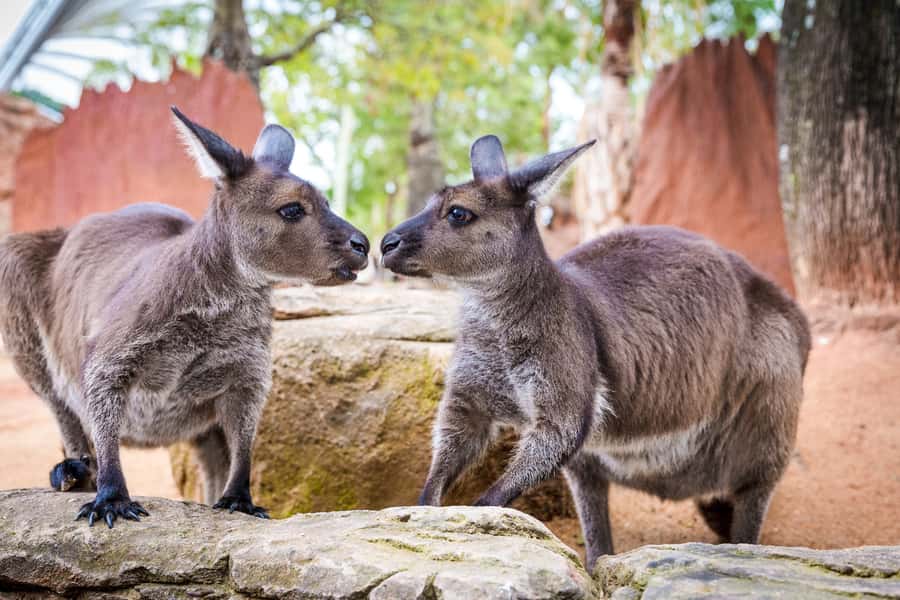
Let’s keep it real. This zoo can be crowded because the space is compact, and popular animals can draw people into clusters. That’s especially true around the biggest draws like koalas and kangaroos.
A second consideration is comfort with animals that aren’t “soft-cute.” Snakes are part of the design, and that’s not subtle.
And then there are cost extras. The key one you’ll actually care about is the optional photo with the koalas. If you’re there for the koala moment, it’s worth deciding early so you’re not scrambling while the koalas are active or in view.
Finally, there’s a small cafe on site. It’s handy if you need a break, but it’s not the kind of place you should plan a long, relaxed meal around. Consider bringing a light plan for snacks if you’re picky about food stops while you’re sightseeing.
Who should book WILD LIFE Sydney Zoo?
This fits best if you:
- Want Australian wildlife without leaving Sydney
- Have a tight schedule and want a strong set of animal highlights fast
- Enjoy short, informative education moments via keeper talks
- Travel with kids who get excited by koalas, kangaroos, and wallabies
It may be less satisfying if you:
- Want a huge, spread-out zoo with lots of quiet space
- Don’t like the idea of seeing snakes in the exhibit scenery
- Are only interested in animals not native to Australia
Should you book WILD LIFE Sydney Zoo?
Yes, if you want a practical wildlife win. WILD LIFE Sydney Zoo is one of the easiest ways to get close to Australian animals in Sydney—especially kangaroos, wallabies, wombats, and koalas, plus the reptile side with Rex the crocodile. The keeper talks turn it from random animal spotting into a more purposeful walk.
Book it with a simple strategy: arrive with a plan for the zones you care about most, and don’t waste time hunting blindly. Aim to be inside before last entry at 3:00 PM, and give yourself a realistic 2–3 hours.
FAQ
FAQ
Where is WILD LIFE Sydney Zoo located?
It’s located in Sydney at Aquarium Wharf in Darling Harbour, New South Wales.
How much does WILD LIFE Sydney Zoo cost?
The price listed is $27 per person.
What are the current opening hours and last entry?
The opening hours are 10:00 AM to 4:00 PM, and last entry is at 3:00 PM.
What’s included with entry?
Entry includes WILD LIFE Sydney admission, close encounters with koalas and other iconic marsupials, 9 authentic Aussie-themed habitat zones, and access to over 100 species of Australian animals.
What’s not included?
A guided tour is not included, and a photo with the koalas is not included.
Can you walk with kangaroos?
Yes. The experience includes enhanced walkthrough habitats with kangaroos.
What animal highlight is mentioned by name?
The crocodile experience includes saying hello to Rex the crocodile.
How long is the experience valid for?
It’s listed as valid for 1 day, and you should check starting times based on availability.
Is it wheelchair accessible and in what language are hosts?
It is wheelchair accessible, and the host or greeter is English.
You Might Also Enjoy

More Zoos in Sydney
- Blue Mountains Small-Group Tour from Sydney with Scenic World,Sydney Zoo & Ferry
★ 5.0 · 3,709 reviews


More Tour Reviews in Sydney
- Blue Mountains Small-Group Tour from Sydney with Scenic World,Sydney Zoo & Ferry
★ 5.0 · 3,709 reviews