REVIEW · SYDNEY
Sydney Fish Market Behind the Scenes Tour
Book on Viator →Operated by Sydney Fish Market · Bookable on Viator
Seafood auctions feel like backstage TV. This Sydney Fish Market tour takes you into working areas most people never see, with a guide who explains how seafood moves from water to plate. You also get hands-on access to the auction floor and the wholesale world where product is graded, sorted, and packed.
What I really like is the way the tour turns the auction into something you can follow, thanks to lessons on the Dutch auction system and how buying works day to day. I also love the up-close viewing of species like live lobsters and mud crabs, plus the chance to hear how Australia leads in sustainable fishing and aquaculture. One possible downside: the start time is 6:00 am, so you’ll need an early-morning mindset.
In This Review
- Key highlights
- A 6:00 am start at the Sydney Fish Market that changes how you see seafood
- Gear check: hi-vis vest, boots, and what that signals
- Entering the auction and wholesale areas most visitors never see
- The Dutch auction system: how to follow the bidding without guessing
- What you’ll actually see on the auction floor
- Meet the working fishmonger life (and why it matters)
- Sustainability and aquaculture: what Australia leads in (and what you can ask about)
- Price and value: is $57.38 worth a morning tour?
- Logistics that actually matter: tickets, group size, and who can join
- What the itinerary feels like in real life
- Who should book this tour (and who might not enjoy it)
- Should you book the Sydney Fish Market Behind the Scenes Tour?
- FAQ
- How long is the Sydney Fish Market Behind the Scenes Tour?
- What time does the tour start and where is the meeting point?
- How much does the tour cost?
- What’s included in the tour?
- Is transportation included?
- Are children allowed on this tour?
- What is the cancellation policy?
Key highlights
- Dutch auction explained clearly so you know what you’re looking at on the floor
- Wholesale areas are usually closed to the public, so this feels genuinely behind the scenes
- Species in real life: live lobsters, mud crabs, and giant tuna (not just photos)
- Guides with real fishing knowledge, including hands-on experience shared on tour
- Small group size (max 15) makes it easier to ask questions and move around
A 6:00 am start at the Sydney Fish Market that changes how you see seafood
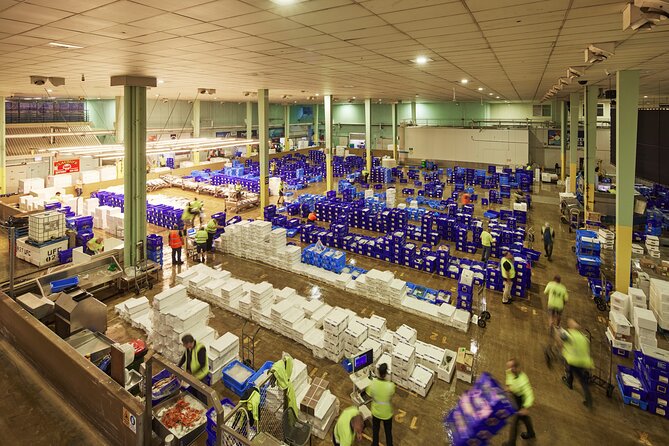
The biggest practical thing about this tour is the time. It begins at 6:00 am in Glebe, at 1 Bridge Rd, Glebe NSW 2037, and it runs about 1 hour 30 minutes to 2 hours. That early start can sound inconvenient until you realize why it works: you’re seeing the market when it’s actually operating, not when it’s quiet for visitors.
If you’re the type who likes to understand a food system rather than just eat the result, this schedule is perfect. You’ll watch how products are traded through the auction process and how the market flows as seafood arrives, gets assessed, and moves onward. It’s the kind of morning that makes a later restaurant meal feel more specific, like you can picture the steps between the water and your plate.
You can also read our reviews of more shopping tours in Sydney


Gear check: hi-vis vest, boots, and what that signals
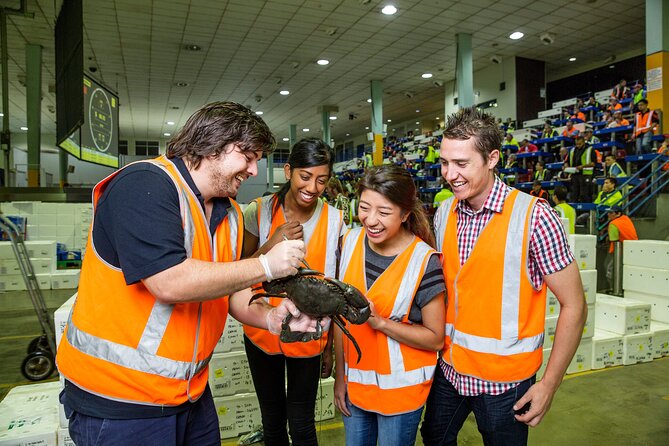
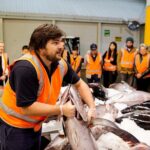
Even if you’re not a “market person,” the tour’s included gear sets the tone. You’ll be given a hi-vis vest and boots to use during the visit, and you’re led by a licensed guide. That’s not just for safety and practicality. It’s also a sign you’re entering a real workplace, with real rules, not a staged showroom.
For you, that means two things: first, you can show up without trying to guess what footwear to bring for a working market environment. Second, the vibe stays focused. You’re not wandering in normal clothes while the market staff do their job around you. You’re part of a guided group walking through areas where people handle product for sale and distribution.
Entering the auction and wholesale areas most visitors never see
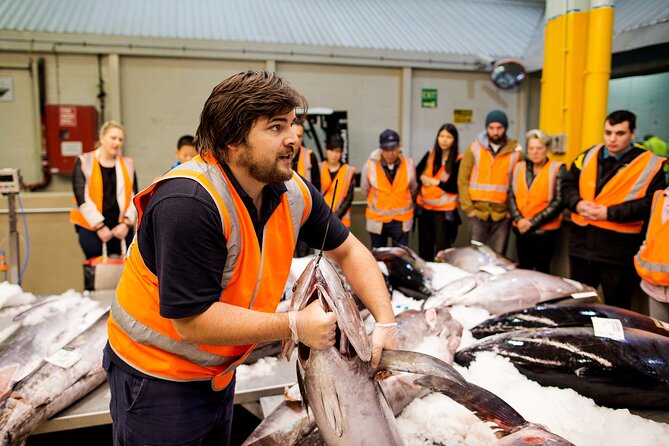
This is a behind-the-scenes tour through one of the largest working seafood markets in Australia. The stop is at Sydney Fish Market, where you’ll tour the 2nd largest wholesale fish auction in the world. That’s not just bragging rights. It helps explain why the operation is organized, fast-moving, and built around daily sales.
A key value here is access. The auction and wholesale areas you’ll see are normally closed to the public, so the tour gives you a rare look at how seafood is sourced and sold before it lands in restaurants and retailers. You’ll experience the market’s workflow at close range, not from a distance.
One thing to keep in mind: markets are working places. Expect sound, motion, and people focused on their tasks. If you prefer quiet, museum-style travel, this won’t match your pace. But if you like real-world scenes, this is exactly the point.
The Dutch auction system: how to follow the bidding without guessing
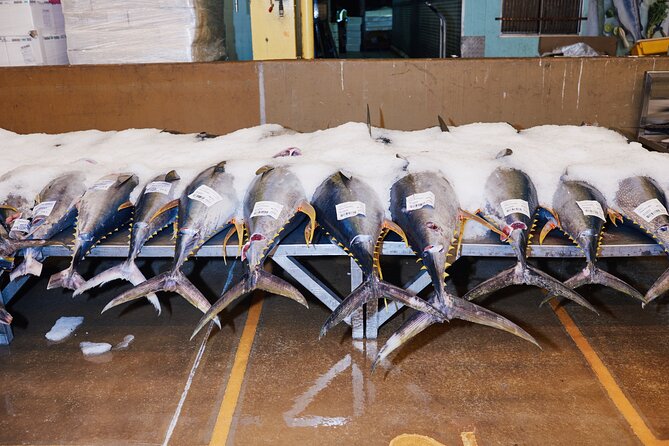
One of the most praised aspects is the explanation of the Dutch auction system. That matters because auction floors can look like chaos if you don’t know what you’re watching. The tour helps you connect the dots between the product on display and the buying mechanics that determine pricing.
Here’s what you’ll walk away understanding: the market is not simply selling seafood like a shop rack. It’s running a structured auction process with real timing and clear steps. The guide’s job is to translate the rules into something you can observe with confidence.
And once you understand that, the rest of the tour clicks. Grading, sorting, and packing stop being random steps. They become part of how the auction floor matches quality and handling to what buyers need.
What you’ll actually see on the auction floor
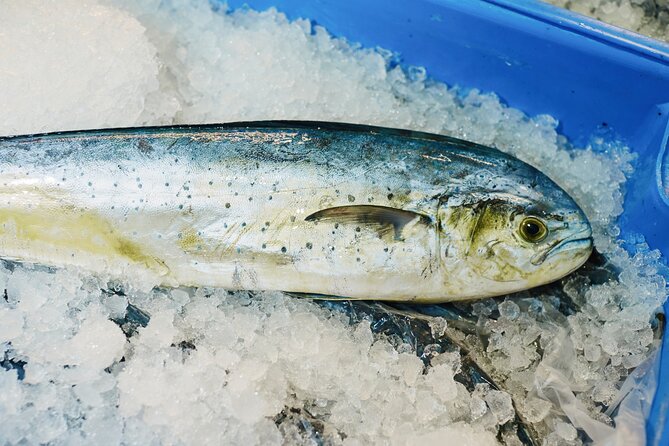
This tour isn’t only about theory. You’ll see the range of seafood that comes through the market, and you’ll learn what different species look like and how they’re treated in the supply chain.
On the floor, the tour focuses on the variety of seafood available and the process of how products are handled once they arrive. You also get a memorable live-animal component: you’ll see live lobsters, mud crabs, and giant tuna. That’s a big part of why this tour works even if you’re not a diehard seafood person. Live examples make the species differences real.
Another practical detail: you’ll visit the part of the market where product is graded, sorted, and packed. Many tours show you fish. This one shows you how fish becomes sellable goods through organization and handling.
If you like asking questions, this is a great moment to do it. The auction floor tends to raise natural curiosity, and your guide can connect what you’re seeing to how the industry operates daily.
You can also read our reviews of more tours and experiences in Sydney

Meet the working fishmonger life (and why it matters)
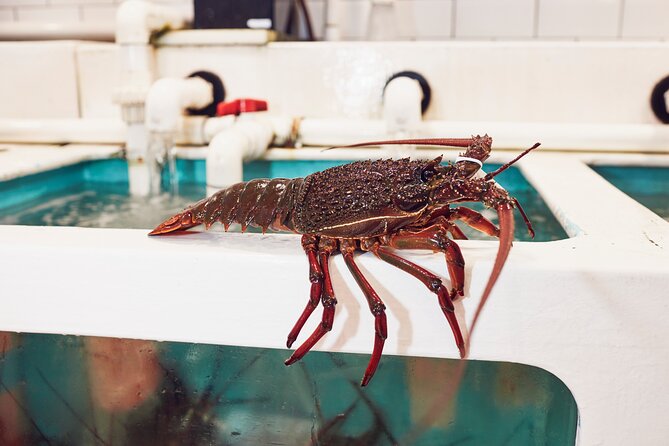
A behind-the-scenes market tour is more than a visual experience. It’s also an education in daily work roles. This one includes insight into the daily life of a working fishmonger, which helps you understand why the market runs the way it does.
In practical terms, learning the human side makes the seafood supply chain feel less abstract. You start noticing patterns: who does what, how quickly decisions are made, and how handling and presentation affect what buyers receive.
From the guide experience shared for this tour, it’s clear the best sessions are led by people who can explain the industry like they’ve worked it, not just studied it. Names like Tom and Mike come up in feedback for their clarity and strong fishing-industry background. In other words, you’re not just getting facts. You’re getting answers that feel grounded.
If you want to leave with real understanding, come with a couple of questions in mind. For example:
- How do different species change for buyers?
- What determines how seafood gets graded?
- What do people look for during the auction process?
Sustainability and aquaculture: what Australia leads in (and what you can ask about)
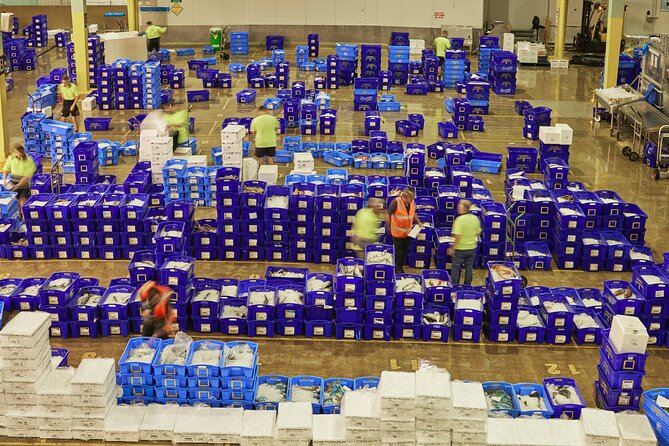
The tour also covers sustainability, specifically the idea that Australia leads in sustainable fishing and aquaculture. You’ll hear about how seafood supply ties into responsible methods, not just volume.
This portion is valuable because it connects what you saw on the auction floor to a bigger story: markets don’t exist in a vacuum. They depend on consistent supply, fair practices, and long-term viability. Learning that context can help you be a more thoughtful seafood consumer later.
You won’t turn into an expert in one short morning, but you will gain a clear starting point for how to think about sustainability beyond buzzwords. If you’re the sort who tries to order responsibly at restaurants, this section helps you understand what might lie behind a menu claim.
Price and value: is $57.38 worth a morning tour?
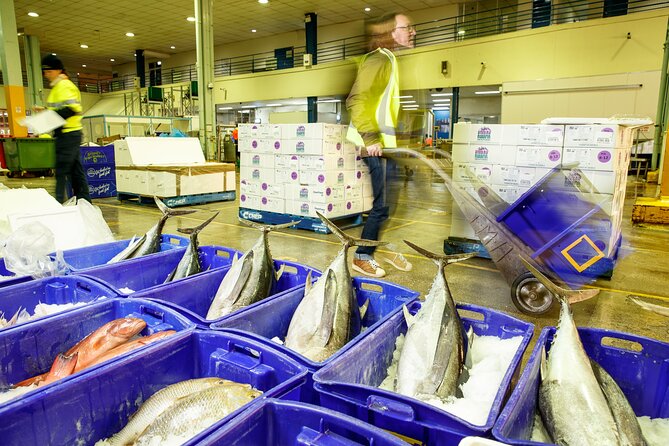
The price listed is $57.38 per person, and the tour runs around 1.5 to 2 hours. For that cost, you get a licensed guide, plus hi-vis vest and boots, and admission is effectively included at the main stop since the entry ticket is free for the duration.
Now the real question for you: does it feel worth it compared to other Sydney experiences? In this case, the value comes from access and interpretation. You’re seeing wholesale and auction areas that are normally closed to the public. You’re also getting explanations of systems like the Dutch auction plus live examples of seafood. Those elements are hard to replicate on your own in an early-morning working environment.
There’s also the small-group factor. With a maximum of 15 travelers, you’re more likely to get your questions answered clearly and to keep moving without getting stuck behind other people.
One catch: transportation isn’t included. The meeting point is near public transport, so it’s usually workable, but you should plan how you’ll get there before you assume it’s door-to-door.
Logistics that actually matter: tickets, group size, and who can join
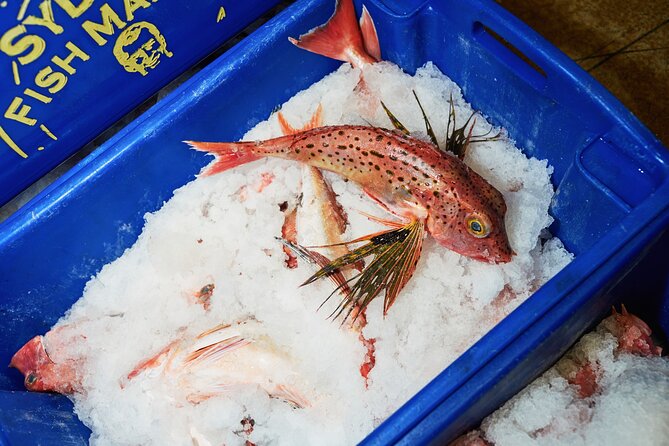
You’ll use a mobile ticket, and you’ll receive confirmation at booking time. Tours like this tend to run on a tight morning schedule, so having your ticket ready helps.
The tour caps at 15 travelers, which improves the experience. Smaller groups can hear better, watch more closely, and get guide attention without a long wait. In feedback, the small-group setup is praised as a major reason the tour feels better.
There’s also an age rule: no children under 13 are permitted. If you’re traveling with kids younger than that, this one won’t work. If you’re traveling as an adult couple or as a group of seafood fans, the age rule is often a plus because the tone stays focused.
What the itinerary feels like in real life
The tour centers on one main stop: Sydney Fish Market. You’ll be guided through the auction space and the wholesale areas tied to grading, sorting, and packing.
Even though it’s one stop, it’s not one static viewing. The flow is designed around what’s happening as the market operates. That’s why the early start time matters. It also explains the short duration. This is a working-window visit, not a long sightseeing loop.
Because the tour is focused on one place, you don’t lose time transferring. You also get more consistent context. By the end, the auction floor, the handling process, and the sustainability discussion feel connected instead of like separate lessons.
Who should book this tour (and who might not enjoy it)
I think this tour is best for people who want more than seafood tasting. If you’re curious about how food systems work, the auction process, and how different species move through grading and packing, you’ll get a lot out of it.
It’s also a strong fit for:
- Foodies who like restaurant-quality ingredients with a backstory
- Curious travelers who enjoy practical explanations and questions
- People who like early starts when the payoff is real access
You might not love it if you:
- Hate early mornings and prefer a relaxed schedule
- Want a calm, quiet walk-through experience
- Are traveling with kids under 13
Should you book the Sydney Fish Market Behind the Scenes Tour?
If you can handle a 6:00 am start, I’d book it. The value is in the mix of access and education: you get into wholesale areas normally closed to the public, you learn how the auction system works, and you see live examples like lobsters and mud crabs. The small group size also helps, because you’re more likely to get the kind of answers that make the market feel understandable.
Skip it only if you’re not interested in seafood sourcing and market operations. This isn’t a general Sydney morning stroll. It’s a working seafood world lesson, timed for when the market is actually running.
If you want a single Sydney experience that connects directly to what you’ll eat later, this one is a smart choice.
FAQ
How long is the Sydney Fish Market Behind the Scenes Tour?
The tour is approximately 1 hour 30 minutes to 2 hours.
What time does the tour start and where is the meeting point?
The tour starts at 6:00 am. The meeting point is 1 Bridge Rd, Glebe NSW 2037, Australia.
How much does the tour cost?
The price is $57.38 per person.
What’s included in the tour?
You’ll get hi-vis vest and boots to use during the tour, and a licensed tour guide.
Is transportation included?
No. Transportation is not included.
Are children allowed on this tour?
No children below age 13 are permitted on the tour.
What is the cancellation policy?
You can cancel for a full refund up to 24 hours before the experience start time. If you cancel less than 24 hours before, the amount paid won’t be refunded.
You Might Also Enjoy



More Shopping Tours in Sydney
More Tours in Sydney
- Blue Mountains Small-Group Tour from Sydney with Scenic World,Sydney Zoo & Ferry
★ 5.0 · 3,709 reviews

More Tour Reviews in Sydney
- Blue Mountains Small-Group Tour from Sydney with Scenic World,Sydney Zoo & Ferry
★ 5.0 · 3,709 reviews