Sydney has hidden stories you can walk to. This 2.5-hour walk from Fit City Tours links colonial architecture with street art, including Angel Place’s Forgotten Songs birdcages. I also like that all photos are taken during the tour, so you’re not stuck behind your camera. The one trade-off: it runs rain or shine, with cancellations only for thunderstorms.
You’ll start at Customs House on Circular Quay and move through the older, less-famous layers of the city—lanes, arcades, churches, and the kind of details you’d normally step right past. Guides such as Doug, Leigh, Amy, Stacey, and Lee are a big part of the appeal, since you can ask questions and get clear, practical explanations rather than rushed monologues. With a group limited to 10, it stays relaxed enough for real conversations.
For me, the biggest value is how the tour stitches together history and everyday Sydney: government buildings meet street art, and a coffee break lands right when you need it. Just plan for comfortable shoes and a steady walking pace; this is a casual stroll, but it’s still a stroll.
In This Review
- Key things I’d plan around
- Starting at Customs House on Circular Quay
- Loftus Lane: sandstone façades and harbour-side context
- Bridge Street: government buildings with old-world street energy
- Angel Place and Forgotten Songs: birdcages that feel human
- Martin Place: sandstone facades, memorials, and big-city energy
- A mid-tour coffee break in a quieter Sydney café
- Hyde Park: the calm reset after the financial district
- St James Church: Georgian architecture by Francis Greenway
- Queen Victoria Building (QVB): stained glass and 19th-century grandeur
- Finishing near Darling Harbour and Chinatown
- $68 for 2.5 hours: value, pace, and who it suits
- What to bring so the walk feels easy
- Should you book this Sydney laneway and landmark walk?
- FAQ
- How long is the Sydney Hidden Gems walking tour?
- Where does the tour start and where does it end?
- What is the group size?
- Is the tour wheelchair accessible?
- Is coffee included, and is food included?
- Are photos included in the price?
- What should I bring and how should I dress?
Key things I’d plan around
- Circular Quay start at Customs House: an easy launch point with big maritime context
- Loftus Lane and Bridge Street: sandstone architecture plus political-era streets you may not notice on your own
- Angel Place’s Forgotten Songs: suspended birdcages as a powerful street-art pause
- Martin Place to Hyde Park: a smooth shift from monuments and institutions to calm green space
- Queen Victoria Building (QVB): 19th-century interiors with sweeping staircases and stained glass
- Mid-tour café coffee: a planned reset away from the busiest crowds
Starting at Customs House on Circular Quay
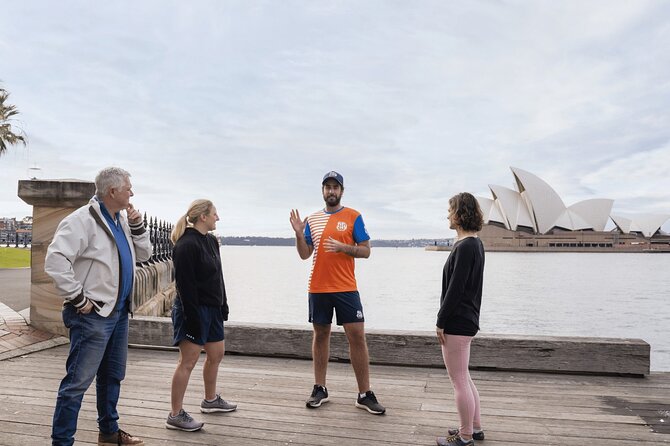
I like that this walk begins where Sydney’s “big picture” is easiest to see. Your guide meets you outside Customs House at Circular Quay, and from there you get oriented fast: harbour energy now, colonial foundations underneath.
Customs House matters because it sits at the hinge point between Sydney’s early maritime roots and the modern city vibe you see today. Even before you hit the first laneway, you’re primed to notice how the same waterfront area changed as the settlement evolved. If you’re arriving in Sydney for the first time, this start also helps you figure out where key sights are in relation to each other.
Practical note: there’s no hotel pickup, so build in time to get to Circular Quay on your own. Once you’re there, the route is designed for an easy, continuous stroll.
You can also read our reviews of more walking tours in Sydney
Loftus Lane: sandstone façades and harbour-side context
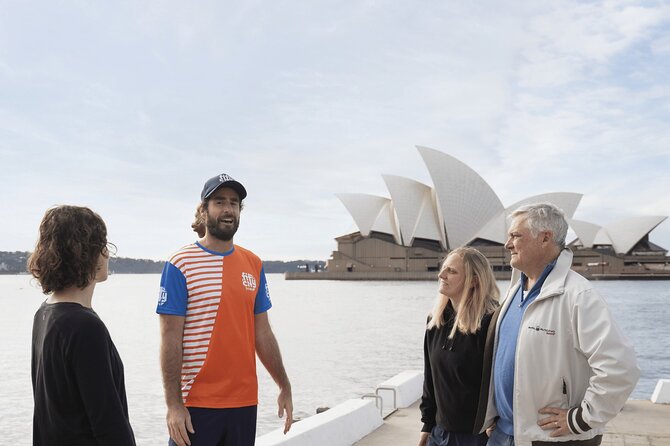
After you leave Customs House, you’ll head onto Loftus Lane, where restored sandstone façades and colonial-era architecture create that “wait, I’ve walked past this before” feeling. The streets here reward slow looking—doorways, building edges, and the way the lane frames glimpses of the harbour.
This segment is more than pretty streets. The guide ties what you see to Sydney’s early settlement and maritime roots, including how the area shifted from a convict outpost into a global city. That gives you a simple mental map: you’re not just moving between photos, you’re moving through time.
The only drawback to keep in mind: lanes can be narrow and a bit uneven, so you’ll be glad you brought comfortable shoes. If you’re traveling with kids or with anyone who needs extra breaks, this is a good moment to slow the pace and ask questions early.
Bridge Street: government buildings with old-world street energy
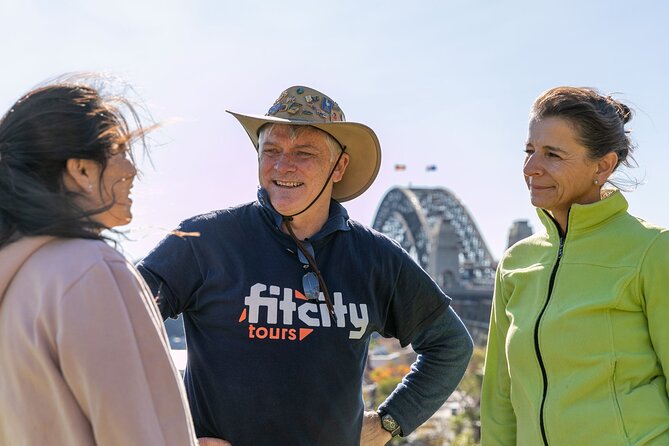
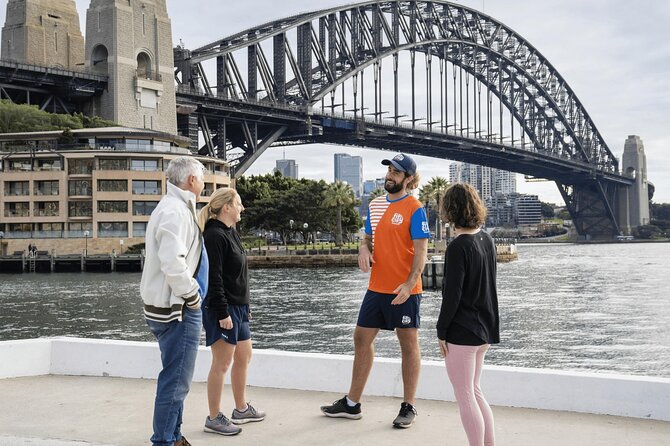
Next comes Bridge Street, where stately buildings and old-world charm turn a familiar “downtown corridor” into something more interesting. I especially like that this portion isn’t only about the obvious skyline stuff. Instead, it’s about what those streets used to mean—political and administrative life, laid out in stone and façades.
You’ll pass buildings tied to Sydney’s earliest administration. That detail changes how you read the area: you start noticing how civic power shaped the city’s street plan. It’s also a nice contrast after the more intimate feel of Loftus Lane.
Photo-wise, Bridge Street gives you strong angles for both architecture and street-level scenes. Just remember you’ll be walking while looking up, so keep your camera hand ready without turning into a distraction hazard for yourself.
Angel Place and Forgotten Songs: birdcages that feel human
Then you reach one of the stops that people remember for a reason: Angel Place, with suspended birdcages as street art. The installation, called Forgotten Songs, commemorates native bird species that once filled Sydney with song before the city’s development.
I love this moment because it’s unexpectedly emotional for a walking tour stop. You get something visual and artistic, but the story behind it makes the scene feel like more than decoration. By day it’s striking; at night, it’s lit in a way that can feel haunting.
A small consideration: if you’re visiting during heavy foot traffic times, this kind of stop can become a pause where you wait for clear sightlines. Plan to take your time anyway—this is one of those “stop moving and just look” moments.
Martin Place: sandstone facades, memorials, and big-city energy
From Angel Place you’ll move into Martin Place, a stretch with imposing sandstone facades, war memorials, and the kind of institutional presence that makes the street feel important even before you read the details. It’s also a location for ceremonies and major protests, and you may spot film shoots depending on what’s happening.
I like Martin Place because it balances formality with real city life. It’s not a museum-only zone; it’s where Sydney does public business. The guide’s stories help you connect the memorial atmosphere with modern events, so the street doesn’t feel frozen in the past.
If you like street photography, this is a strong section for photos with symmetry—buildings line up nicely, and memorial elements offer clear points of focus. The only “watch your step” part: downtown sidewalks can be busy. Stay close to the guide when traffic thickens.
- Blue Mountains Small-Group Tour from Sydney with Scenic World,Sydney Zoo & Ferry
★ 5.0 · 3,709 reviews

A mid-tour coffee break in a quieter Sydney café
You’ll get a planned pause: a mid-tour coffee (or alternative) at one of Fit City Tours’ favourite smaller cafés. I’m a fan of this structure because it prevents the classic walking-tour problem where people power through on empty energy and start missing details.
This break is also designed to be useful. You can ask your guide questions while you reset—things like what to do next, what neighbourhoods feel most worth your time, and what’s actually practical to see on a limited schedule.
Since food isn’t included, you’ll want to grab just coffee unless you decide to add a snack on your own. If you’re sensitive to long gaps between meals, consider eating something light before you start. The tour is only 150 minutes, but the city walking adds up faster than you’d expect.
Hyde Park: the calm reset after the financial district
After Martin Place, the walk heads toward Hyde Park, Australia’s oldest public park. This is your breathing-space shift: leafy avenues and historic monuments change the pace in a good way.
I like this contrast because it helps you process what you’ve already seen. After government streets and institutional stone, Hyde Park feels like a break you can physically feel. It’s not just a scenic detour; it’s part of how the tour balances big-city power with human-scale calm.
If the weather is hot or bright, Hyde Park also offers shade options. If it’s wet, the park can be muddy near paths, so bring shoes with a decent grip.
St James Church: Georgian architecture by Francis Greenway
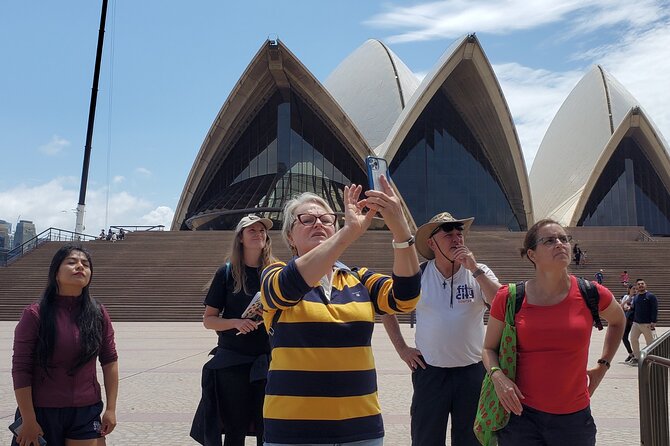
Nearby is St. James Church, described as the oldest surviving church building in Sydney. The design by convict architect Francis Greenway is a standout example of Georgian architecture, and the church has stood through wars, protests, and changing times.
This stop works because it adds a different kind of “Sydney layer.” You’ve already seen streets shaped by civic administration; now you see architecture shaped by faith, community, and endurance. The guide’s framing helps you read the building not as a single postcard, but as a witness to shifting eras.
From a practical standpoint, this is also a good “stand still” moment if you need to regroup your feet. The only caution is to keep your timing flexible—churches and surrounding areas can have moments where access depends on what’s happening there.
Queen Victoria Building (QVB): stained glass and 19th-century grandeur
The later stretch brings you into the Queen Victoria Building (QVB), one of Sydney’s best-known interior landmarks. Here, the focus is on 19th-century design: sweeping staircases and stained glass that pull you upward even if you’re not trying.
I like QVB on a walking tour because it’s a change of pace without being a full detour. Outdoors, you’ve been navigating lanes and streets; indoors, you get a different kind of storytelling through architecture and detail. It also makes sense as a transition point before you finish at Darling Harbour and Chinatown.
The potential drawback is simple: QVB can be busy during peak times. If you want quieter photo angles, take a quick lap when the crowd shifts rather than forcing one perfect shot immediately.
Finishing near Darling Harbour and Chinatown
Your walk concludes in the vibrant surroundings of Darling Harbour and Chinatown, which is a smart ending. You don’t end at an isolated landmark—you end near options: food, art, and multicultural street life.
This is where the tour becomes more useful for your next step. If you still have energy, you can keep exploring with minimal transport. If you’re tired, you can still enjoy the area without cramming in more attractions. It’s a nice payoff: you start with harbour foundations, then finish with the city’s modern layers and tastes.
One practical tip: if you’re hungry, decide your meal direction before you get swept into the crowd flow. Chinatown offers plenty, but navigating when you’re already tired is when people make rushed choices.
$68 for 2.5 hours: value, pace, and who it suits
At $68 per person for about 150 minutes, this tour’s value comes from what’s included, not only the places. You get a live English-speaking guide, all photos taken during the tour, and a planned mid-tour coffee. That matters because photos and coffee are small expenses you’d otherwise add on your own—and they also help you relax and stay present.
The pace is described as a casual walk, which fits people who want structure but don’t want to feel like they’re sprinting between attractions. The group size is limited to 10 participants, which keeps the tour flexible for questions and photo stops.
This tour fits especially well if you:
- want more than the standard “Sydney icons” checklist
- enjoy architecture, street art, and small-scale details
- like a guided narrative that explains why places matter
It’s less ideal if you hate walking in the rain. The tour runs in rain or shine, and it’s only canceled for thunderstorms, so pack accordingly. Also note: hotel pickup/drop-off is not included, so you’ll need to be on time at Customs House yourself.
What to bring so the walk feels easy
You’ll move between lanes, street corners, and at least one indoor stop at QVB, so pack for comfort. Bring:
- comfortable shoes (non-negotiable)
- a camera or phone with enough storage
- comfortable clothes for changing weather
Also useful: a light layer even if it seems mild, because Sydney weather can shift quickly. The good news is the route includes toilets and water taps along the course, so you’re not stuck improvising.
Should you book this Sydney laneway and landmark walk?
I think this is a smart choice if you want Sydney with context. The route has a clear storytelling arc: Circular Quay’s maritime beginnings, colonial lanes and civic streets, street art with Forgotten Songs, then a park-and-church pause, ending at QVB and a fun foodie hub near Darling Harbour and Chinatown.
If you care about photos, this is even better value because all photos are taken during the tour. And if you like to ask questions, the small group size makes it easier to get answers that actually fit your interests.
Book it if your goal is: understand the city’s layers without spending your day hopping on and off transport. Skip it only if you’re uncomfortable walking in wet weather or you’d rather do a self-guided route with no scheduled stops.
FAQ
How long is the Sydney Hidden Gems walking tour?
The tour lasts about 150 minutes, which is roughly 2.5 hours.
Where does the tour start and where does it end?
Your guide meets you outside the front of Customs House at Circular Quay. The tour concludes in the area of Darling Harbour and Chinatown.
What is the group size?
It’s a small group limited to 10 participants.
Is the tour wheelchair accessible?
Yes, the tour is wheelchair accessible.
Is coffee included, and is food included?
A mid-tour coffee (or alternative) is included. Food is not included.
Are photos included in the price?
Yes. All photos taken during the tour are included.
What should I bring and how should I dress?
Wear comfortable shoes and bring a camera if you want photos. Dress in comfortable clothes for rain or shine, since the tour runs in both conditions.
You Might Also Enjoy


More Walking Tours in Sydney
More Tours in Sydney
- Blue Mountains Small-Group Tour from Sydney with Scenic World,Sydney Zoo & Ferry
★ 5.0 · 3,709 reviews
More Tour Reviews in Sydney
- Blue Mountains Small-Group Tour from Sydney with Scenic World,Sydney Zoo & Ferry
★ 5.0 · 3,709 reviews