REVIEW · SYDNEY
Sydney: Tandem Skydive with Optional Transfers
Book on GetYourGuide →Operated by SKYONE · Bookable on GetYourGuide
You’re about to trade your feet for thin air, fast. This tandem sky jump takes you up to 15,000 feet and then gives you a controlled freefall over Sydney’s big views. If you like big scenery and clear instructions, this is a thrilling way to get both.
I love that the team builds the day around a real safety routine: check-in, gear up with goggles, a briefing before you climb into the plane, then a professional instructor strapped behind you. I also love the pure sightseeing payoff, especially the chance to look out toward the Blue Mountains to the coast. The main thing to consider is the body-weight limit and possible surcharge if you’re over 95 kg, plus the fact it can feel chilly up high.
In This Review
- Key things to know before you go
- Up to 15,000 Feet Over Sydney: What the Jump Actually Feels Like
- The 3–5 Hour Flow: Check-In, Briefing, and the Best Parts of the Day
- Blue Mountains to Coast: The View Value You’re Paying For
- Instructors Who Keep It Simple (and Calm)
- Parachute Landing + Certificate: The Moment the Adrenaline Turns Into Pride
- Price and Value: Why $247 Can Still Be a Smart Spend
- Optional Transfers and Getting There: Reducing the Stress Factor
- Practical Rules: Weight Limits, Clothing, and Weather Reality
- Who Should Book This Sydney Tandem Sky Jump
- Should You Book It?
- FAQ
- How long does the tandem sky jump experience take?
- How high do you jump from?
- What speed is the freefall?
- Is pickup and drop-off included?
- Are food and drinks provided?
- Are video and photo packages included?
- What should I wear or bring?
- What is the weight limit?
Key things to know before you go
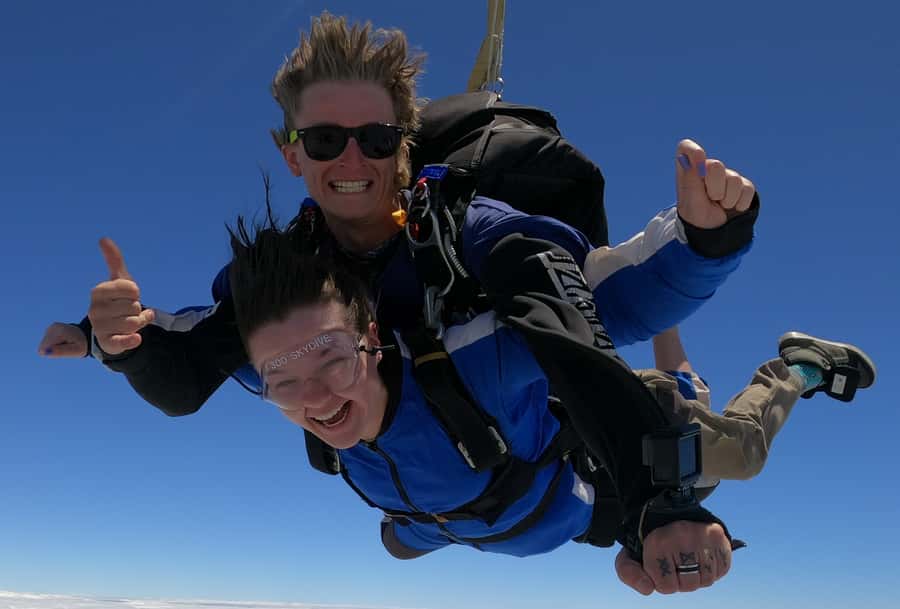
- Up to 15,000 feet with about 60 seconds of freefall at over 200 km/h
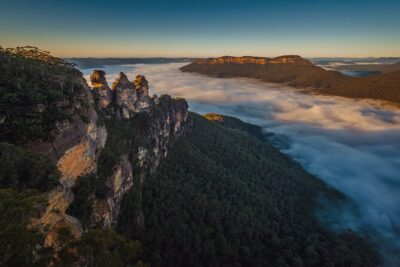
- Panoramic views from Blue Mountains toward the coast, depending on conditions
- Sydney’s centre runs from an airport setup with an on-site drop zone, so you’re not wasting time
- All gear is handled for you, including goggles, plus training and instructor support
- You’ll get an official certificate after landing, and optional media packages if you want keepsakes
Up to 15,000 Feet Over Sydney: What the Jump Actually Feels Like
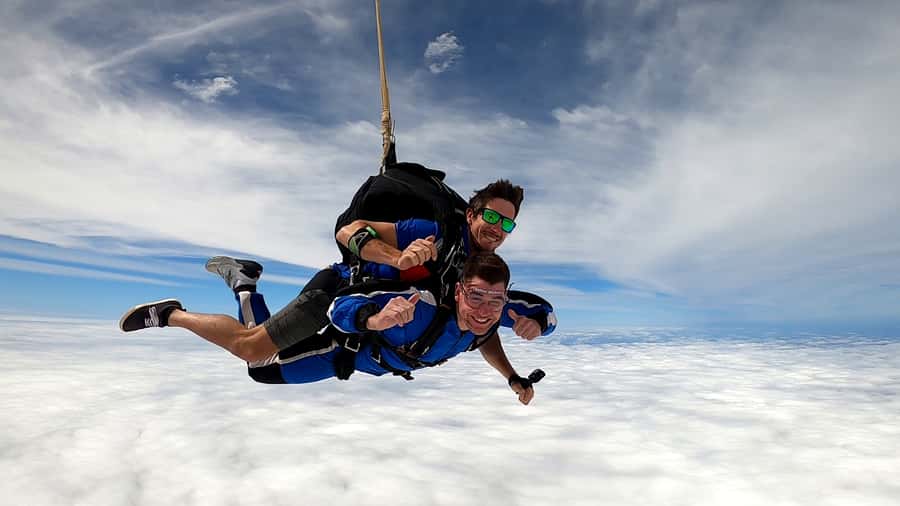
This is built as a true tandem experience. You’re not suiting up to learn the logistics midair. You’re strapped to an experienced instructor, and your job is basically to show up ready, listen carefully, and enjoy the ride.
The plane climb is part of the magic. You’ll rise for about 20 to 25 minutes on the way up, reaching up to 15,000 feet. That height matters because it changes your perspective. Instead of city blocks, you see the region—coastline angles, mountain edges, and the way the ground patterns spread out below.
Then comes the part most people sign up for: the freefall. Expect about one minute of freefall, reaching speeds over 200 km/h. The first moments are usually the most intense, because you’re going from normal air pressure and sounds to that sudden roar and the strong wind feel. After that, it becomes a very focused experience: you’re still doing one thing, but it’s hard to stop staring out the window.
Finally, the parachute phase is where you get your breath back. After landing, it’s a smooth shift from adrenaline to an almost calm “did that just happen” feeling—paired with a certificate that marks the moment.
You can also read our reviews of more tours and experiences in Sydney.
The 3–5 Hour Flow: Check-In, Briefing, and the Best Parts of the Day
This takes 3 to 5 hours total. That range is typical for wind, cloud cover, and the timing of your assigned flight number, but it also means the day isn’t just “show up and go jump.”
Here’s how the flow usually lands:
1) Pickup or meet at the building
If you choose the option with transfers, you get pickup and drop-off. If not, you meet at the stated building location for your booking. Either way, the goal is the same: get you to the airport area without stress.
2) Check-in and instructor assignment
You’ll get checked in, assigned a flight number and instructor, and you’ll hand over your APF membership. (You also get the APF membership as part of the experience, so it’s treated like a tidy step, not a separate mission.)
3) Safety briefing
Before anything happens, there’s a briefing and instructions on what to expect. This is where you’ll learn how your body will be positioned, what to listen for, and what the instructor will handle. If you tend to worry about unknowns, this part is usually the psychological reset.
4) Gear up and head to the aircraft
You’ll be fitted with the equipment they provide, including goggles. Closed-toe shoes are required, so make sure your footwear is secure and comfortable before you arrive.
5) Plane time (the calm before the action)
Expect 20 to 25 minutes in the air. It’s not empty time. You’ll have your first extended look at Sydney and the region from high up, and you’ll get used to the sounds and sensations before the exit.
6) The jump and parachute landing
You exit with your harness connected, feel the acceleration into freefall, then transition to the parachute for a gentle ride to the ground. The landing is part of the experience, not a separate afterthought—this is when you’ll feel the achievement clearly.
7) Certificate
You’ll get a skydive certificate after you land.
Blue Mountains to Coast: The View Value You’re Paying For
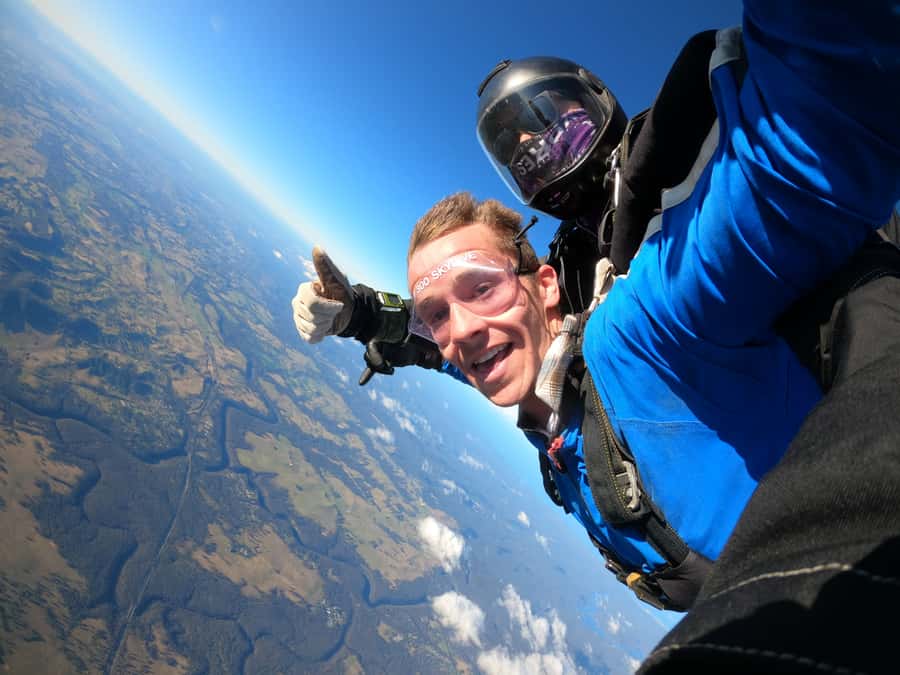
Sydney from street level is great. Sydney from the air is different. You’re buying height, speed, and perspective, not just adrenaline.
The specific view people love here is the panoramic sweep from Blue Mountains direction toward the coast. Even if the exact framing shifts with wind and flight path, you still get that “I can see for miles” effect that makes the climb feel worth the wait.
A practical way to think about it: your money buys you time in three distinct modes:
- Time to look during the climb to altitude
- Time to feel during the freefall (about one minute)
- Time to settle in during the parachute ride, when you can actually take the view in
If you’re the type who takes photos but hates rush, you’ll probably like the parachute phase the most. It’s the part where you stop bracing for impact and start seeing the whole picture.
Instructors Who Keep It Simple (and Calm)
The best tandem jumps don’t feel chaotic. The quiet truth is: you feel safer when the process is clear.
This centre leans hard on professionalism. You’ll have an English-speaking instructor, plus a full setup with equipment checks and training before you climb into the plane.
Some names you may hear in this operation:
- Phil, who’s been sky jumping for 55 years and has done 40,000+ skydives
- Hayley, known for a friendly, calming approach that helps first-timers settle
- John, described as making people feel safe and comfortable
- Stefan and Yeongbin, praised for constant equipment checking and clear explanations
- Daniel and Dan, mentioned for being helpful and supportive during the experience
Even if you don’t get those exact people, the consistent theme is the same: the staff know how to handle nerves. If you’re worried about the moment before the exit, focus on the briefing cues and trust the harness connection. Your instructor is literally your main stability system.
Parachute Landing + Certificate: The Moment the Adrenaline Turns Into Pride
After freefall, the parachute ride is usually when people realize they can breathe again. It’s still real, still moving fast compared to walking pace, but it’s far more controlled than the freefall surge.
Then you land and move into the wrap-up phase. The certificate is small on paper, but it gives the day structure. You leave with proof, and it turns a “wow, that was intense” memory into something you can keep.
Souvenir options are optional. Video and photo packages are not included, so if you want them, plan for an add-on cost. One person reported that add-on photos were about 150 AUD, and a photo-with-video bundle was about 190 AUD, but prices can vary, so check the day of or in your booking details.
- Blue Mountains Small-Group Tour from Sydney with Scenic World,Sydney Zoo & Ferry
★ 5.0 · 3,709 reviews
Price and Value: Why $247 Can Still Be a Smart Spend
At $247 per person, you’re not paying for a quick stunt. You’re paying for the whole operation: plane time, instructor experience, gear (including goggles), training, and the APF membership handling.
Here’s how to judge value fairly:
- You get more than the jump. A chunk of the day is flight time and coaching, not just the exit.
- The instructor is included in every step. This matters because tandem jumps depend heavily on the quality of instruction and equipment handling.
- You’re not providing your own gear. Equipment is included, which saves time and avoids the common travel hassle of sourcing the right items.
- The views are part of the product. Being able to look out toward the Blue Mountains and coast is a large part of why this feels like a once-in-a-while headline activity.
What changes the value for you is your priorities:
- If you want extra memories, media packages cost extra.
- If you’re sensitive to physical strain, you should factor in the harness feel and your comfort with heights (even though you’re not jumping alone).
Optional Transfers and Getting There: Reducing the Stress Factor
Sydney is not the hardest city to move around in, but a skydive day can get complicated fast if you’re doing it solo with timing concerns.
That’s where the pickup and drop-off option can genuinely help. You choose the transfer option if you want the centre to handle your ground logistics. If you choose not to, you’ll meet at the building, and it’s on you to get there on time.
Transport quality matters too. The experience reports an 85% perfect score for transport. That tells me the company is trying to reduce day-of uncertainty, which is the right mindset for a high-adrenaline activity.
Practical Rules: Weight Limits, Clothing, and Weather Reality
A tandem jump is amazing, but it’s also physical. Here are the rules that can affect your ability to fly.
Weight limit: 115 kg maximum. If you’re between 95 kg and 99 kg, there’s a +$25 surcharge. At 100 to 109 kg, the surcharge is +$50, and at 110 to 115 kg, it’s +$100.
Who it’s not suitable for:
- Children under 16
- Pregnant women
- People over 254 lbs (115 kg)
What to wear and bring:
- Comfortable shoes and closed-toe shoes
- Sunscreen
- Weather-appropriate clothing (it may be cooler at high altitude)
Avoid sandals or flip-flops.
Food note: avoid eating huge amounts right before the jump. The harness and the adrenaline combo is not the time for a heavy meal.
Weather reality: if conditions make jumping unsafe or impossible, you’ll reschedule free of charge. That’s important because the day is already designed around your timing window.
Who Should Book This Sydney Tandem Sky Jump
This is a strong fit if:
- You want a first-time-friendly adrenaline experience with an instructor handling everything
- You care about views and not just the fall
- You’re okay spending half a day on an activity that has real training and setup
It may be less ideal if:
- You’re under 16, pregnant, or above the weight limit
- You hate the idea of being strapped in (even with comfort-first gear)
- You want a totally minimal day with no weather variability
Also, English instruction is standard here, which is great if you prefer clear, direct communication.
Should You Book It?
Yes, you should book this if you’re trying to do one big “Australia memory” that blends real safety procedure with serious height and speed. The fact that the operation runs from an airport with an on-site drop zone helps keep things tight, which matters when you’re anxious and excited at the same time.
Before you commit, check the practical stuff: your footwear, your comfort with heights, and your weight category (including possible surcharges). If you match those boxes, this is one of those experiences where the day’s structure actually makes the thrill better, not harder.
FAQ
How long does the tandem sky jump experience take?
The total time is typically 3 to 5 hours, depending on starting times and flight scheduling.
How high do you jump from?
You can jump from up to 15,000 feet.
What speed is the freefall?
Freefall reaches over 200 km/h, with about one minute of freefall.
Is pickup and drop-off included?
It depends on the option you choose. Pickup and drop-off is included if you select the transfer option.
Are food and drinks provided?
No. Food and drinks are not included.
Are video and photo packages included?
No. Video and photo packages are not included, though you can add them on.
What should I wear or bring?
Bring comfortable, closed-toe shoes (no sandals or flip-flops), plus sunscreen and weather-appropriate clothing. It can be cooler at high altitude.
What is the weight limit?
The maximum allowed weight is 115 kg. There are surcharges for 95 kg and up (with higher fees above 100 kg and 110 kg).
You Might Also Enjoy
More Tour Reviews in Sydney
- Blue Mountains Small-Group Tour from Sydney with Scenic World,Sydney Zoo & Ferry
★ 5.0 · 3,709 reviews