REVIEW · SYDNEY
Sydney Walking Tour including The Rocks (small group)
Book on Viator →Operated by Sydney's Wonders Tours · Bookable on Viator
A great city starts with good footsteps. This small-group Sydney walking tour strings together landmark sights and street-level history, finishing in The Rocks near Circular Quay. I like that you get a clear 2.5-hour overview led by guides such as Lily (and others like Lele, Leilani, and Laina) who pace the walk well, and I love that the route mixes big institutions with lane-level details in The Rocks. One drawback to plan for: it is still a steady walk, so you’ll want comfortable shoes and to handle warm weather if you go on a hot day.
You’ll cover a lot of ground from Hyde Park down toward the harbor, with stops that are listed as free to enter. The route also keeps things practical for new visitors, with an easy finish at Campbells Cove where you can link to public transport and grab food nearby.
In This Review
- Key things that make this Sydney and The Rocks walk worth it
- Why this 2.5-hour Sydney walk feels like the best first move
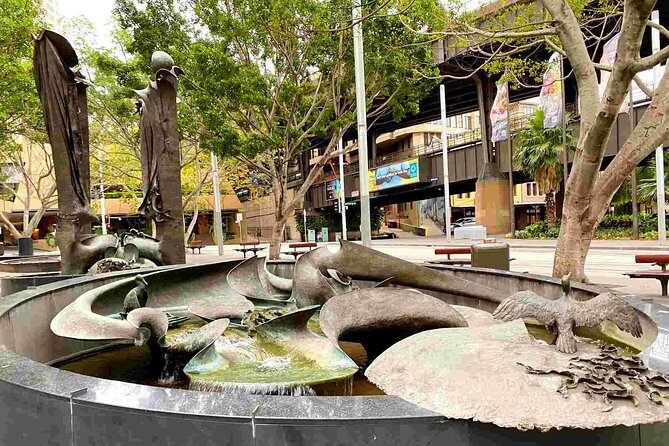
- Meeting at Archibald Fountain in Hyde Park: start simple, start central
- Hyde Park, St Mary’s Cathedral, and Hyde Park Barracks: the big picture in one sweep
- Queen’s Square, the Sydney Eye Hospital, and Macquarie Street’s power corridor
- Botanic Garden, the Conservatorium stables, and The Edge of the Trees
- Macquarie Place Park and Customs House: early Sydney’s public spaces and trade engine
- The Rocks: where convict-era streets still steer the mood
- Suez Canal to Nurses Walk: the street names that carry stories
- Campbells Cove finish: Opera House and Harbour Bridge in your final view
- Price, value, and who this tour suits best
- Small details that make or break your comfort
- Should you book this Sydney Walking Tour with The Rocks?
- FAQ
- How many people are in the small group?
- Where do I meet and where does the tour end?
- What time does it start, and how long does it take?
- Is this a difficult walk?
- Are service animals allowed?
- Can I get a full refund if I cancel?
Key things that make this Sydney and The Rocks walk worth it
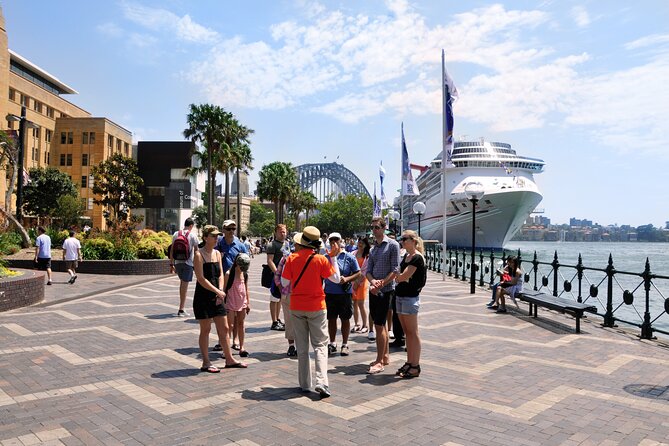
- Max 16 people means you can actually hear your guide and keep up without crowd crush.
- 60,000 years of stories are woven into one logical route, from Indigenous wisdom to convict-era Sydney.
- Free-entry stops keep your costs in check while you see major sights.
- Hyde Park Barracks (UNESCO) adds real weight to the history, not just pretty buildings.
- The Rocks lane network (Suez Canal, Nurses Walk, Argyle Street) shows the district at walking speed.
- Campbells Cove harbor views put Opera House and Harbour Bridge into the finish.
Why this 2.5-hour Sydney walk feels like the best first move
Sydney is spread out, and the “greatest hits” are easy to spot. This tour helps you connect those dots fast. You start in Hyde Park and work your way toward The Rocks, then end at Campbells Cove with classic harbor sightlines.
I especially like the balance between institutions and streets. Hyde Park and the cathedral give you context. The Rocks gives you atmosphere, with narrow lanes and sandstone streets that explain why this area still feels different from the modern city blocks around it.
Your guide is the key ingredient. The tour is led by seasoned guides with more than a decade of experience, and the guide names popping up in the reviews include Lily, Lele, Leilani, and Laina. Even on hot days, the pace stays manageable, and guides are attentive about comfort such as pausing in shade when possible.
You can also read our reviews of more walking tours in Sydney

Meeting at Archibald Fountain in Hyde Park: start simple, start central
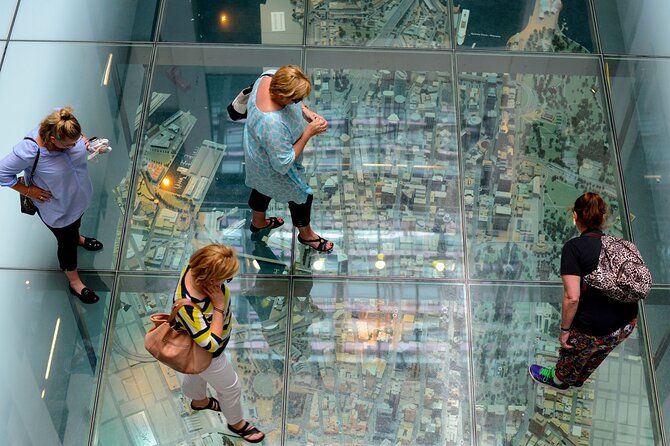
You meet at the Archibald Memorial Fountain in Hyde Park North, at 110 Elizabeth St. The tour starts at 10:30 am, and that timing is helpful because you’re early enough to beat some of the midday heat, but late enough that you’re not racing the morning rush.
The meeting point is easy to reach with public transportation. And since the tour includes a mobile ticket, you can keep everything on your phone and focus on walking.
From there, you roll into the city’s core at a human speed. That matters because Sydney’s landmarks make more sense when you see them from the sidewalk first, not only from a distant bus window.
Hyde Park, St Mary’s Cathedral, and Hyde Park Barracks: the big picture in one sweep
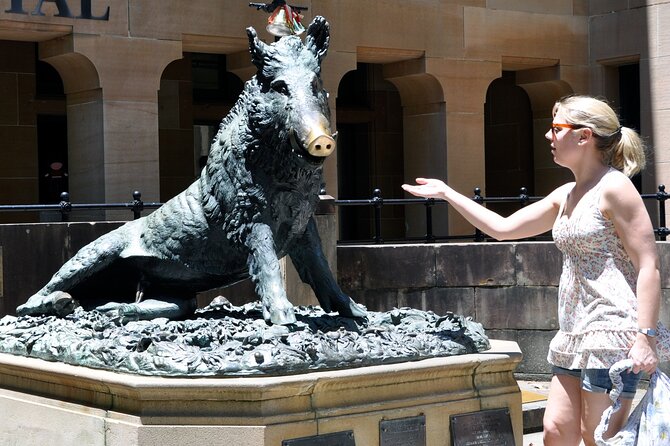
Hyde Park is a real reset button. It’s Australia’s oldest park, and walking through it gives you a breath of green before you start stacking history layers. You also get a feel for where major parts of Sydney “begin,” since Hyde Park sits right in the middle of the city grid.
St Mary’s Cathedral is the next strong visual anchor. You’ll see its Gothic architecture up close, and the guide frames it as a major symbol of Sydney’s Catholic heritage. It’s a good stop for first-time visitors because it shows how Sydney’s story isn’t just about one era or one group.
Then you hit Hyde Park Barracks, a UNESCO World Heritage site. This is where the tour’s historical weight really shows. The barracks were used as a convict prison, then later served as an immigration depot. If you’ve ever wondered why the city has those deep traces of forced migration and penal settlement, this stop gives you the bones.
Practical note: these early stops are short, usually around five minutes each, so you’ll want to listen closely rather than expect a long museum-style visit. Bring curiosity instead of a checklist.
Queen’s Square, the Sydney Eye Hospital, and Macquarie Street’s power corridor
Queen’s Square is a tidy legal and historical precinct. You’ll notice the grand court buildings around the square and learn how this area functioned as Sydney’s administrative center as the city grew.
Next comes the Sydney Eye Hospital, also known as the Rum Hospital. It’s famous for a memorable origin story tied to a rum deal, and the guide explains how that early arrangement helped create Australia’s first public hospital. Even if you’ve heard a rumor or two about colonial money tricks, this is one of the more concrete, place-based versions.
Then you walk along Macquarie Street, which functions like a spine of civic power. The guide points out architectural gems and government-linked landmarks, and you get a sense of how authority and decision-making were physically arranged in early Sydney. It’s not just sightseeing; it’s spatial storytelling.
This stretch is especially good if you like history that connects directly to buildings. You’ll start seeing patterns, like what got built near institutions and why.
Botanic Garden, the Conservatorium stables, and The Edge of the Trees
You’ll get a shift in tone when the route reaches the Royal Botanic Garden Sydney. The guide connects the gardens to Aboriginal culture, which helps keep the story from feeling like it’s only told through European dates and dates-in-a-book. The garden also gives you shade breaks and a calmer pace between more dense urban stops.
Then you visit the Sydney Conservatorium of Music. The stop is tied to the Old Government Stables, which once housed the governor’s horses and carriages. It’s one of those clever reminders that “new” institutions often live inside older structures, just repurposed for modern Sydney.
The route also includes The Edge of the Trees. This public artwork is presented as a reflection on the intersection between Aboriginal and European cultures. If you want a stop that feels less like lecturing and more like thought-provoking pause, this one works well.
If you’re taking photos, this mid-route area is where your camera usually gets a rest. It’s also a nice chance to check in with the group pace before the walk moves back into denser streets.
- Blue Mountains Small-Group Tour from Sydney with Scenic World,Sydney Zoo & Ferry
★ 5.0 · 3,709 reviews




Macquarie Place Park and Customs House: early Sydney’s public spaces and trade engine
Macquarie Place Park is small, but it matters. It’s described as Sydney’s first public space, and the guide shares how artifacts and layers of the past shaped the area. It’s a compact stop, but it gives you a framework for how the city used shared space, not just private buildings.
Then comes Customs House, a major symbolic building. This was once the heart of Sydney’s trade, overseeing ships and goods as they arrived. The guide’s framing helps you understand that “history” here isn’t abstract. It’s daily life: arriving cargo, moving goods, enforcing rules, and keeping the city fed and funded.
This segment is a good reminder that Sydney’s story is economic as well as political. You see how trade created movement, wealth, and also conflict.
The Rocks: where convict-era streets still steer the mood
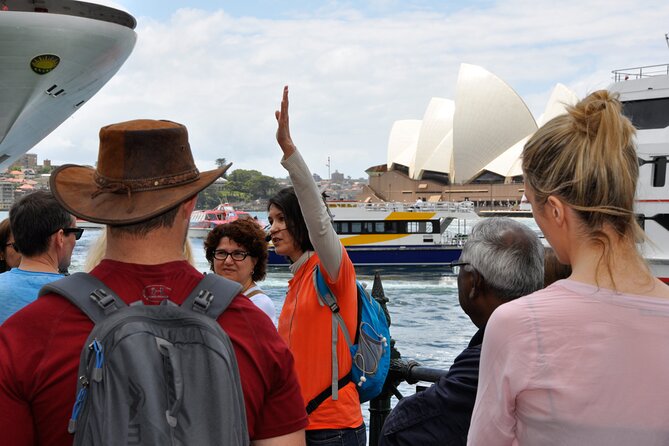
Now you land in The Rocks, Sydney’s historic heart. The district is described as a living museum, with cobblestone lanes and sandstone buildings tied to the convict past. What makes The Rocks work on foot is the density of small details. You don’t just pass by history; you walk along it.
Your time here is longer than most stops, about 20 minutes, which is important. You get enough minutes to slow down, look around, and notice the lane angles and building textures that you’d miss if you were rushing through by car or train.
The Rocks also transitions you smoothly into the “underworld” flavor of the area. That change in tone keeps the tour from feeling like a single straight lecture line.
Suez Canal to Nurses Walk: the street names that carry stories
Suez Canal is one of those lanes you might not pay attention to without a guide. Here it’s presented as a narrow passage tied to criminals and shadowy characters. Even though the walk is short, the story gives the lane personality, not just a location.
Then you follow Nurses Walk. This charming laneway is connected to early nurses and the challenges they faced. It’s a good counterweight to convict stories, because it broadens who history included and what everyday work looked like.
Playfair Street and Argyle Street keep the momentum. Playfair Street is presented as an example of The Rocks’ historic charm. Argyle Street is described as a central hub through centuries of change, from commercial activity to modern entertainment. Even if you’re not planning to shop or party that day, it’s useful to understand why the street layout exists and why it still attracts people.
George Street continues that blend of old and new. You’ll see how the district keeps working as Sydney changes around it, and that contrast is part of what makes The Rocks feel real.
Campbells Cove finish: Opera House and Harbour Bridge in your final view
The walk ends at Campbells Cove, at 4 Circular Quay W. This is a smart finish because you’re right by Circular Quay, which makes it easy to keep moving after the tour.
Expect harbor views that frame both the Opera House and Harbour Bridge. It’s a strong closing moment because those landmarks often feel like postcards earlier in a trip. Here, they feel earned: you’ve built context for the city before you look at its icons.
If you want a practical plan for the rest of your day, this is where you start. You’ll have access to local pubs and the The Rocks weekend market when it’s running, plus fast connections out for sightseeing.
Price, value, and who this tour suits best
At $32.28 per person for about 2 hours 30 minutes, the value comes from three things: the small group size (maximum 16), a guided route through major sights, and stops that are listed as free admission. You’re paying mainly for interpretation and pacing, not entry fees.
It’s also a good value for first-timers because the tour covers multiple “zones” in one hit: Hyde Park, the cathedral area, the government corridor, botanic grounds, trade buildings, and finally The Rocks street network.
This tour fits best if you:
- Want an organized first pass through central Sydney and The Rocks
- Like walking history that connects buildings to real stories
- Are traveling with family or a mixed group and want a pace that stays friendly
It’s less ideal if you prefer minimal walking and long indoor stops. Even when the stops are short, the total time adds up, and the route is designed for movement.
Small details that make or break your comfort
Bring comfortable shoes. The walk is described as easy for many people, and one review notes it’s mostly downhill, but “easy” still means continuous sidewalk time.
Also pack sun protection. Reviews specifically point out hot conditions and the guide’s care in pausing in shade when available. A hat and sunscreen help you stay comfortable and enjoy the stories without grumpiness creeping in.
Finally, keep your phone charged enough for a mobile ticket. The tour uses a mobile ticket, so don’t arrive with a battery near zero.
Should you book this Sydney Walking Tour with The Rocks?
Book it if you want a fast, well-paced introduction to Sydney that doesn’t stay stuck in one neighborhood. The small group size, the range of stops, and the way The Rocks is shown through lanes like Suez Canal and Nurses Walk make it feel like more than a generic highlights loop.
Skip it if you dislike walking or want museum-style depth with longer indoor time. This is a sidewalk tour, and it’s built for the rhythm of seeing, hearing, and moving.
If you’re unsure, a good rule is this: do it early in your trip. After that, you’ll know where you want to return on your own.
FAQ
How many people are in the small group?
The tour is limited to a maximum of 16 travelers, which keeps the group size small enough to hear the guide and stay together.
Where do I meet and where does the tour end?
You meet at the Archibald Memorial Fountain in Hyde Park North (110 Elizabeth St, Sydney NSW 2000). The tour ends at Campbells Cove (4 Circular Quay W, The Rocks NSW 2000).
What time does it start, and how long does it take?
The start time is 10:30 am. The duration is about 2 hours 30 minutes.
Is this a difficult walk?
The tour is recommended for people with a moderate physical fitness level. It’s a walking tour with multiple short stops, so comfortable shoes and stamina for a couple of hours are important.
Are service animals allowed?
Yes, service animals are allowed on this experience.
Can I get a full refund if I cancel?
Yes. You can cancel for a full refund if you cancel at least 24 hours before the experience’s start time. If you cancel less than 24 hours before, the amount paid is not refunded.
You Might Also Enjoy



More Walking Tours in Sydney
More Tours in Sydney
- Blue Mountains Small-Group Tour from Sydney with Scenic World,Sydney Zoo & Ferry
★ 5.0 · 3,709 reviews

More Tour Reviews in Sydney
- Blue Mountains Small-Group Tour from Sydney with Scenic World,Sydney Zoo & Ferry
★ 5.0 · 3,709 reviews