REVIEW · BLUE MOUNTAINS
Blue Mountains: Abseiling and Canyoning Experience
Book on GetYourGuide →Operated by High and Wild Mountain Adventures · Bookable on GetYourGuide
One 30-metre waterfall and you will forget your phone. This Blue Mountains adventure mixes cliff-top abseiling and slot-canyon canyoning, with jumps, swims, slides, and a final big descent that’s great for photos. I especially like the way the morning scales up from a 5-metre start to 30-metre confidence-building, and I love that you’re guided closely with friendly pros. The main drawback is that it’s not a casual walk—basic swimming ability and a willingness to handle heights are required.
The vibe is upbeat and safety-led, not scary-for-scariness-sake. Guides like Ben and Kate (and other instructors such as Brian and Zol) are patient, warm, and clear about procedures, including how to clip in, move safely on wet rock, and manage the rope before you step back. Even on foggy or rainy days, the day stays fun and the water can get more intense.
This is a full-day, action-heavy way to see World Heritage wilderness without doing the usual “lookout and leave” routine. You’ll enjoy it most if you want real physical activity, don’t mind wet gear, and like learning how gear and technique work—not just watching.
In This Review
- Key things you’ll remember from this Blue Mountains canyon day
- How the day flows: abseiling first, then the canyon
- Your guides and the safety-first approach (without killing the fun)
- Morning abseiling on cliff tops: from 5 metres up to 30
- Lunch, then a forest walk into the slot canyon
- Wild swims, water slides, and water jumps in a rainforest canyon
- The 30-metre waterfall abseil: the finale that actually lands
- What’s included (and what you should plan around)
- Price and value: is $244 worth it for a full canyon day?
- Where to meet in Katoomba (and what to bring so the day feels easy)
- Who this is best for (and who should skip it)
- Should you book this abseiling and canyoning day?
- FAQ
- How long is the Blue Mountains abseiling and canyoning experience?
- Where is the meeting point in Katoomba?
- What activities are included?
- What should I bring?
- Are sandals or flip-flops allowed?
- Is it suitable for beginners?
- What equipment and meals are included?
- What’s the cancellation and payment option?
Key things you’ll remember from this Blue Mountains canyon day
- Abseiling that actually builds your skills, starting smaller and growing to full height in the morning
- A rainforest slot canyon with quick jumps, swims, and water slides that keep the energy up
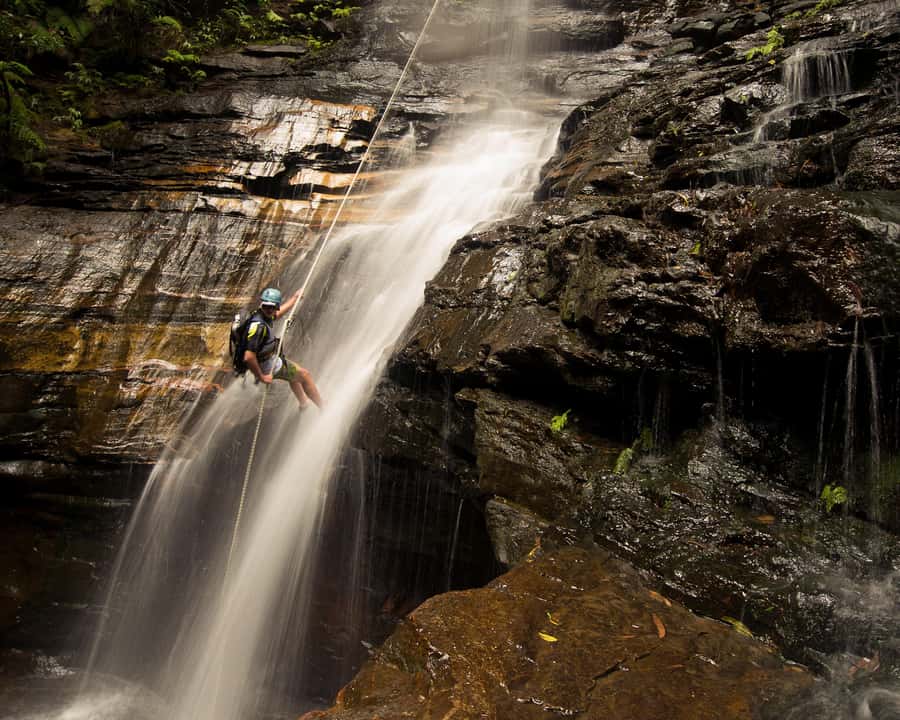
- The best-feeling final move: a 30-metre waterfall abseil into a deep pool and an obvious photo moment
- Small-group attention (up to 10 people) with guides who stay hands-on and upbeat
- Gourmet lunch included, plus a lunch plan that matters if you have food needs
How the day flows: abseiling first, then the canyon
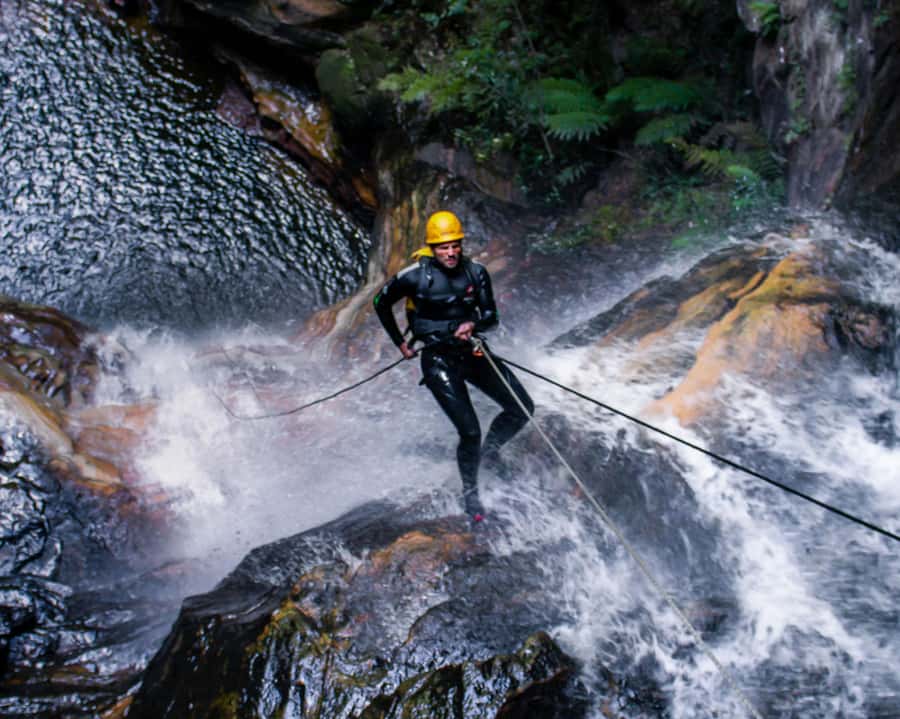
This tour runs about 450 minutes (so roughly a long, full day), and it’s designed with a smart order: you build comfort with ropes and height in the morning, then you switch into canyon mode after lunch.
The morning focuses on abseiling. You start on a lower cliff, then work your way up as the day goes on and your confidence grows. That matters because canyoning isn’t just about water—it’s about staying calm, moving with purpose, and doing safe transitions between platforms, rope, and wet surfaces.
After the famous lunch break, you’re not dropped straight into the creek. You take a short forest walk (about 20 minutes) to reach the canyon entry. That walk is part of the pacing: you arrive ready, not rushed, and you get a chance to settle your head before you start jumping into pools.
Then comes the canyon experience itself—slot-like, tight, and scenic—where you’re dealing with repeated jumps, swims, and water slides. The day ends on the kind of waterfall abseil people talk about later because it’s dramatic and photogenic: clip in, step back, follow the rope down.
You can also read our reviews of more tours and experiences in Blue Mountains.
Your guides and the safety-first approach (without killing the fun)
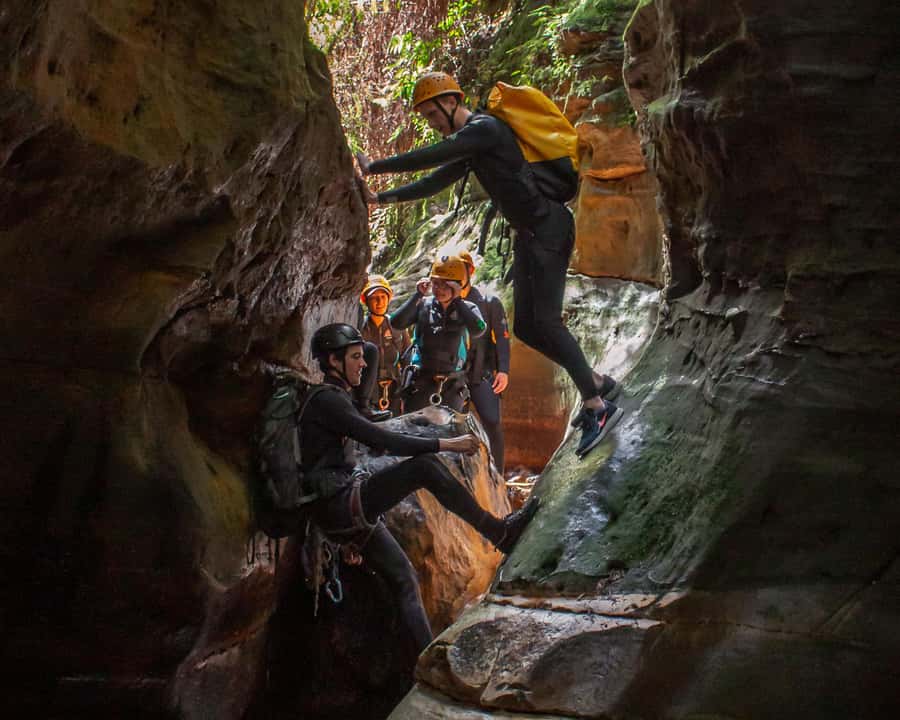
A big reason this tour earns top marks is the coaching style. I like that the guides don’t treat safety like a lecture you endure; they teach it so you can actually do the moves. In the experiences I’ve seen, guides like Ben and Kate are repeatedly described as attentive and friendly, and instructors such as Brian and Zol show up in the same role: calm energy, clear explanations, and lots of reassurance when you’re learning something new.
You’ll feel it most during the rope work. Abseiling can look simple from the ground, but doing it properly requires coordination—harness fit, helmet placement, hand/foot positioning, and staying controlled while your brain is busy thinking about the drop. The guides’ job is to keep you grounded (literally and safely) so you can focus on technique rather than panic.
One more thing I appreciate: the day adapts to conditions. Foggy visibility and rainy weather have happened, and the experience still works because the team keeps the route manageable and teaches you how to handle the water and rock realistically.
Morning abseiling on cliff tops: from 5 metres up to 30
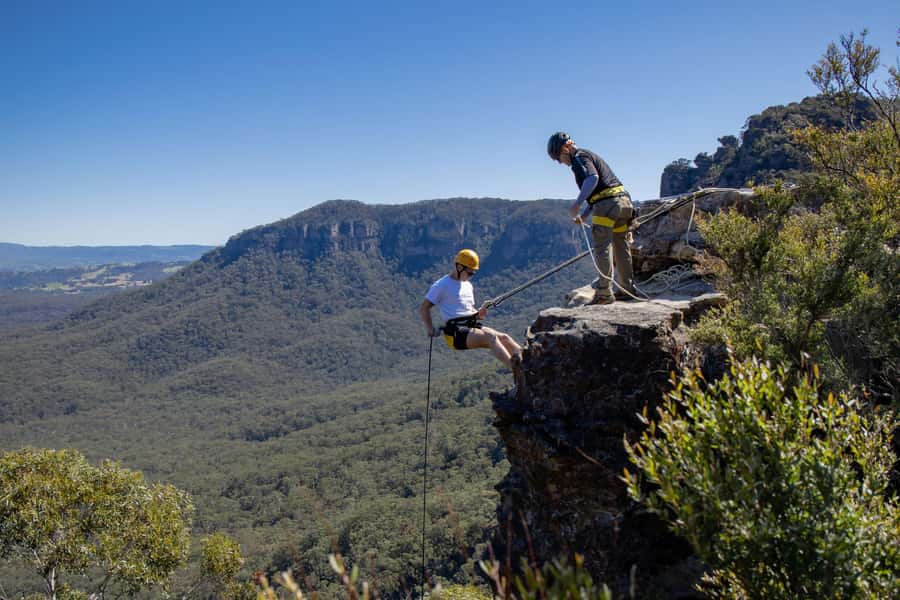
Abseiling is split into a progression, which is exactly how it should be. The first step is a 5-metre-high cliff. You get hands-on time with the gear and the motions before you feel the “oh wow, that’s high” moment.
Then the heights build through the morning until you’re working with 30-metre cliffs. I like this pacing because it’s confidence-building instead of all-or-nothing. You’re not forced to start at the big number and hope for the best. If you’re newer to heights, that gradual climb makes a huge difference. If you’re experienced, you still get structure and support, which keeps it safe and smooth.
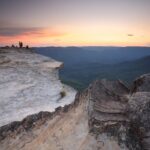
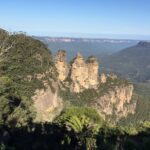
You also get views while you’re up there. The morning starts with cliff-top scenery over the Blue Mountains wilderness—an ideal setting for learning to trust your rope and your movement. This isn’t just adrenaline; it’s also a way to see the World Heritage area from above the normal lookout circuit.
What to watch for: this section is exposed and the water part of the day is next. Even if the weather looks fine, treat the morning like a warm-up, not a “dry clothes” guarantee.
Lunch, then a forest walk into the slot canyon
After the morning abseiling, you’ll stop for a gourmet lunch. Food is included, and it’s a real part of the day, not a token break. The lunch tends to get good feedback, but I’d suggest you plan ahead if you have any allergies or specific dietary needs. If you don’t contact the provider at least 48 hours in advance, the tour says a vegan lunch is provided by default.
Once lunch is done, you take a 20-minute forest walk to the canyon entry. That short walk is useful: it helps you shift from “cliff focus” to “creek focus,” and it keeps your timing steady so you don’t feel like you’ve been sitting around between the big moments.
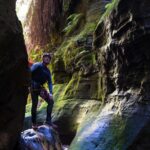
Then you wade into the creek that drops into the narrow slot canyon. This is where you start feeling the canyon’s character—tight walls, fast-changing footing, and water movement that makes everything slightly more exciting.
Wild swims, water slides, and water jumps in a rainforest canyon
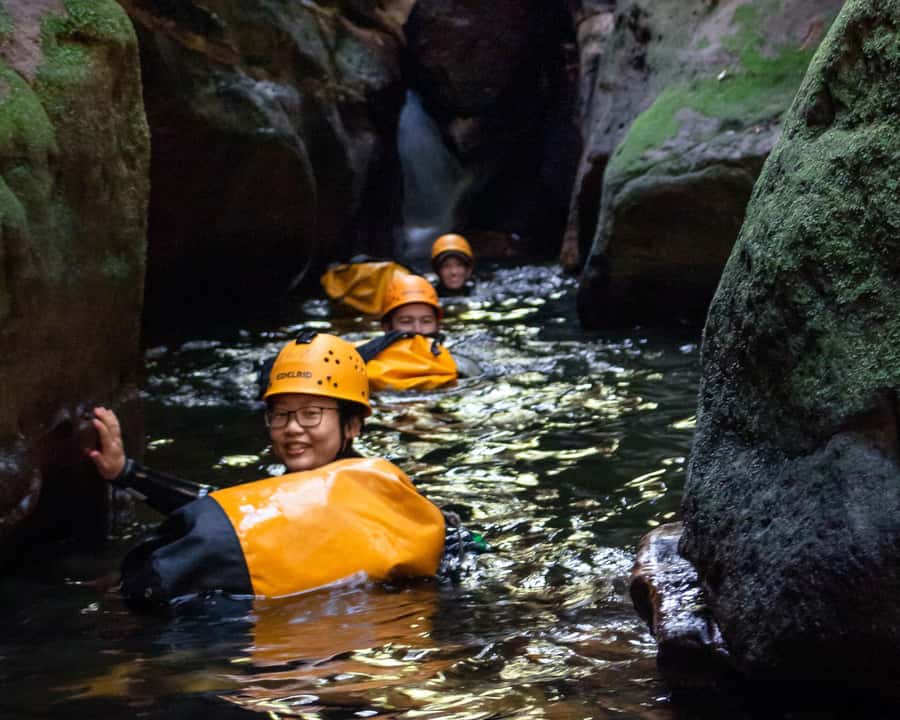
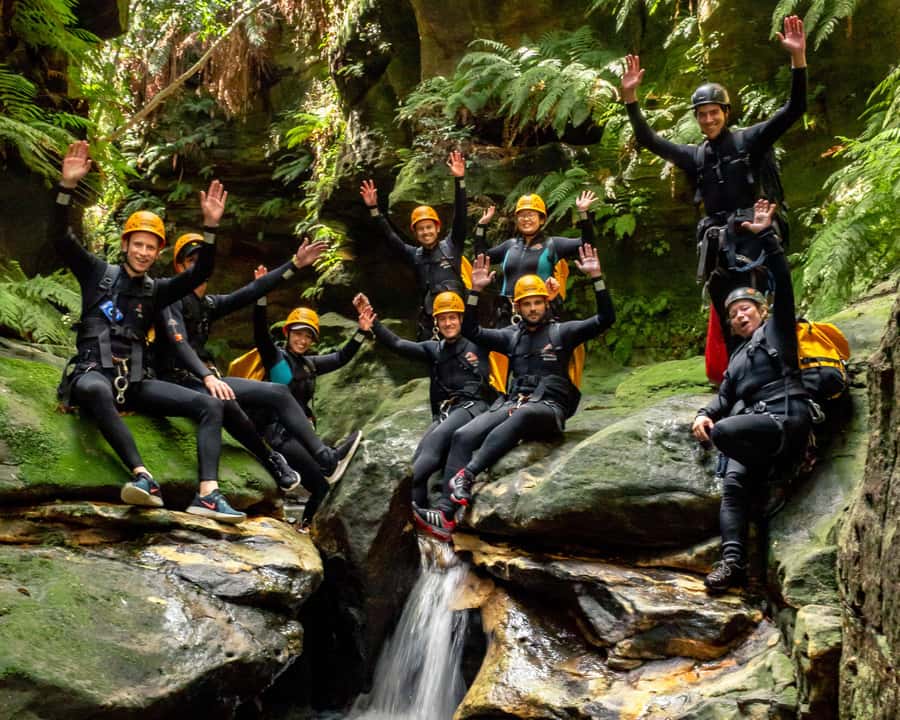
This is the heart of the canyoning portion: repeated jumps into rock pools, swims through the canyon segments, and water slides as you move along.
I like the way this part stays active. You’re not waiting around for the next “obstacle.” You’re moving from one water feature to the next, and the short bursts of jumps and slides keep your momentum up even if you’re feeling a little nervous at the start.
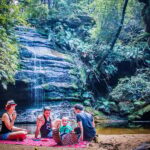
The canyon setting also makes the experience feel real. A slot canyon has a different feel from wide rivers—you’re in it, close to the rock. The rainforest vibe adds to that. The water is the star, but the walls and shapes around you make the scenery change every few minutes.
One practical mindset shift: you’re going to get wet. Bring the gear listed for comfort (swimwear and a towel), but also be ready for the fact that you’ll likely end up fully water-soaked by the middle of the canyon.
The 30-metre waterfall abseil: the finale that actually lands
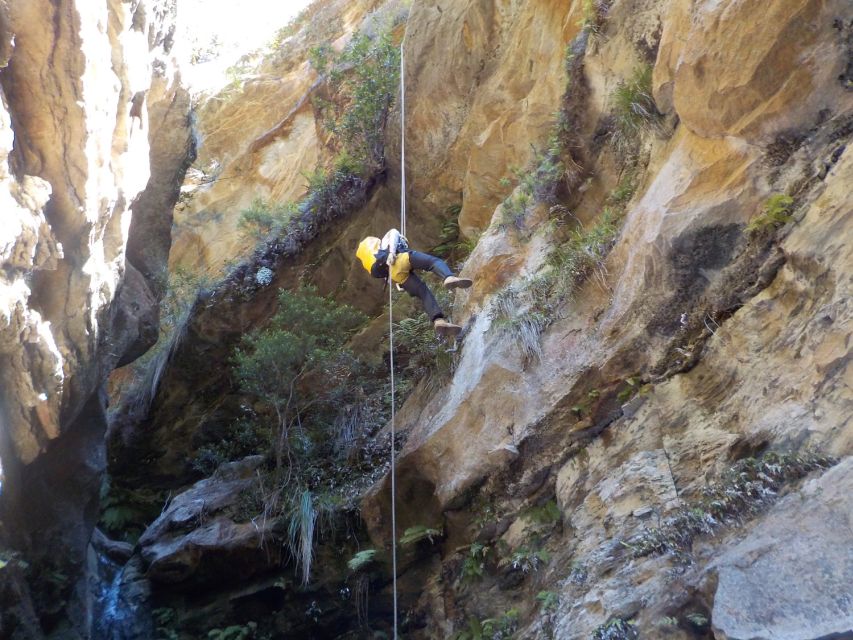
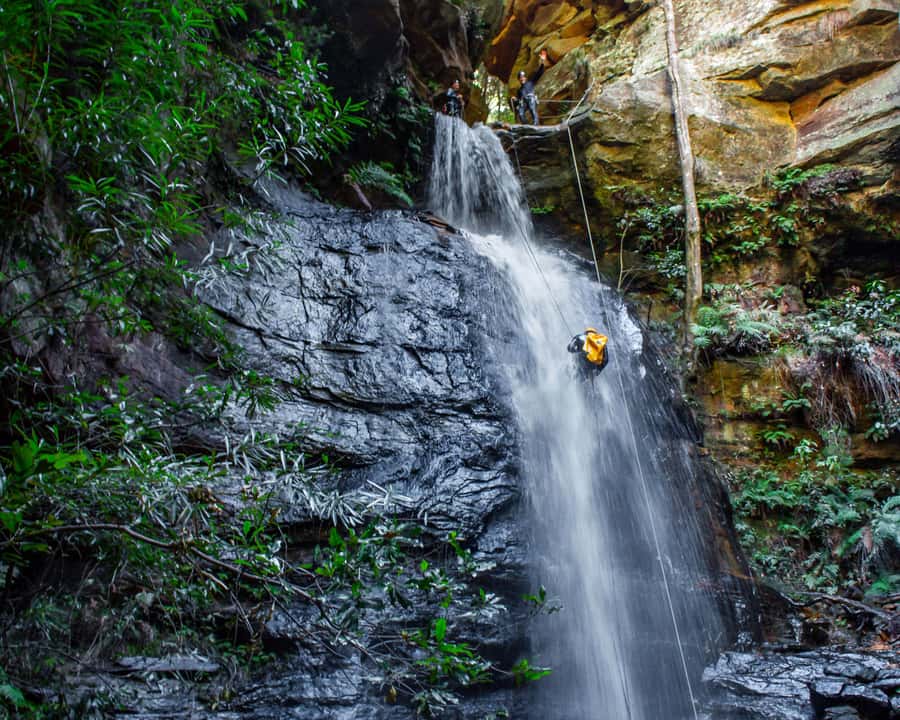
After canyoning comes the last descent, and it’s a do-not-miss moment. The tour ends with a waterfall abseil that’s called out as one of the best in the Blue Mountains, and you can see why.
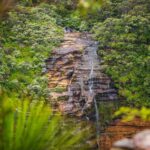
The procedure is straightforward: clip into the rope, step back, and follow the 30-metre waterfall down to the deep rock pool below. This is both an action event and a photo opportunity, because the waterfall frames you while you descend.
I also like that it’s a proper payoff to the morning’s skill-building. You’re not learning the basics for the first time while you’re staring at the biggest drop. By the time you’re on this final rope, you’ve already spent hours getting used to harness and control.
Possible consideration: if heights are your weak spot, the finale will test that. It’s not the place to “maybe I’ll be fine.” If you’re afraid of heights, the tour isn’t suitable.
What’s included (and what you should plan around)
This tour includes the stuff that makes the experience possible and safe:
- Helmets, harnesses, and wet suits (so you’re not buying gear just to do one day)
- Transport from the meeting point to the abseiling and canyoning areas
- National park entry fees
- A waterproof camera for capturing the adventure
- A gourmet lunch
It’s also a small-group format, limited to 10 participants. That’s a big deal for rope activities and water routes because it means less crowding and more instructor attention.
You should plan around the non-included items:
- Comfortable shoes you can get wet and trust on uneven rock
- Swimwear, towel, and water
Also note the shoe rule: sandals or flip flops aren’t allowed. In other words, don’t bring anything you wouldn’t be happy walking in while it’s slick.
Price and value: is $244 worth it for a full canyon day?
At $244 per person, this is not a budget activity—but it can still be good value if you’re comparing it to the real cost of doing this kind of guided technical day on your own.
Here’s why the price makes sense:
- You’re getting guided instruction for both rope-based abseiling and moving water canyoning.
- Equipment (helmets, harnesses, wet suits) is included, which removes a chunk of expense.
- Transport and national park entry are covered.
- The group size is capped at 10, which usually improves the quality of coaching during safety-critical moments.
- You get a waterproof camera plus a gourmet lunch, so you’re not piecing together meals and gear during the day.
If you’re looking for a scenic, low-effort Blue Mountains day, this probably isn’t your match. But if you want hands-on adventure and a guide who keeps you safe while you do real moves—this price lands in the “fair” zone.
Where to meet in Katoomba (and what to bring so the day feels easy)
Meeting point is High and Wild Mountain Adventures at 207 Katoomba St, Katoomba 2780, inside the Blue Mountains YHA. The directions are simple: first door on the left when you enter.
Before you go, pack like you’re doing a sport in wet conditions:
- Comfortable shoes
- Swimwear
- Towel
- Water
You’ll also want to bring a basic sense of readiness. The tour calls for reasonable fitness and basic swimming abilities for canyoning. And you should be okay with heights, because the abseiling is a central part of the day.
Who this is best for (and who should skip it)
This experience fits people who want both adrenaline and coaching. It’s described as beginner-friendly enough to feel confident, as long as you meet the basics: fitness, basic swimming, and not major fear of heights.
It’s especially suited for:
- Adults who want an active Blue Mountains experience beyond lookouts
- People who like learning a skill (rope technique and canyon safety)
- Solo travelers and friend groups who want small-group guiding
It’s not suitable for:
- Children under 14
- Pregnant women
- People with mobility impairments
- People afraid of heights
That last point is the big one. If heights make you shut down, this won’t be a fun “try it once” outing. It’s designed for people who can handle the vertical.
Should you book this abseiling and canyoning day?
I’d book it if you want one day that mixes rope skills, water action, and serious Blue Mountains scenery—all in a small group with instructors who explain and support you.
You should pause and double-check before booking if you:
- Don’t swim comfortably
- Struggle with heights
- Can’t manage getting thoroughly wet for several hours
One smart move is to plan your lunch needs early if you have allergies. The default backup is vegan if you don’t contact them at least 48 hours ahead, so you’ll want your preferences locked in.
If that all sounds like you, this tour is a strong way to experience the Blue Mountains from cliff top to slot canyon to waterfall rope work—without feeling like you’re just passing through.
FAQ
How long is the Blue Mountains abseiling and canyoning experience?
The duration is listed as 450 minutes.
Where is the meeting point in Katoomba?
You meet at High and Wild Mountain Adventures, 207 Katoomba St, Katoomba 2780, located inside the Blue Mountains YHA. It’s the first door on the left when you enter.
What activities are included?
The day includes morning abseiling, then a canyoning section with water jumps, swims, and water slides, and it finishes with a 30-metre waterfall abseil.
What should I bring?
Bring comfortable shoes, swimwear, a towel, and water.
Are sandals or flip-flops allowed?
No. Sandals or flip-flops aren’t allowed.
Is it suitable for beginners?
It’s designed to help you feel confident whether you’re a beginner or experienced, but you do need reasonable fitness, basic swimming abilities for canyoning, and no major fear of heights.
What equipment and meals are included?
You’ll receive technical equipment (helmets, harnesses, wet suits) and a gourmet lunch is included.
What’s the cancellation and payment option?
You can cancel up to 24 hours in advance for a full refund, and there’s a reserve now & pay later option available.