A smart-phone scavenger hunt with real city sights. This is a self-guided Sydney trail that mixes navigation with clue-solving across iconic areas, including Darling Harbour and Circular Quay. I love the team-friendly format (up to 6 per group) and the way the clock pauses when you get answers right, so it feels fun instead of frantic. One thing to consider: it’s a clue trail, not a guided lecture, so you’ll need patience for thinking and a willingness to walk.
Here’s the basic idea: Trixity sends you clue by clue on your device. Get it right, and you move forward. If you get stuck, you can tap Help or Hint, and you can also look things up on your phone if needed.
You’ll work through 18 clues over about 2–3 hours, ending at a pub in Circular Quay (then the activity finishes back at the start point). The final leaderboard shows your team name and time, which is a neat touch for friendly competition.
In This Review
- Key highlights to look for
- How the smart-clue format changes your Sydney day
- Price and group value: $39.45 per group up to 6
- Where you start: Pyrmont’s Pirrama Rd base
- Stop by stop: what each Sydney area adds to the trail
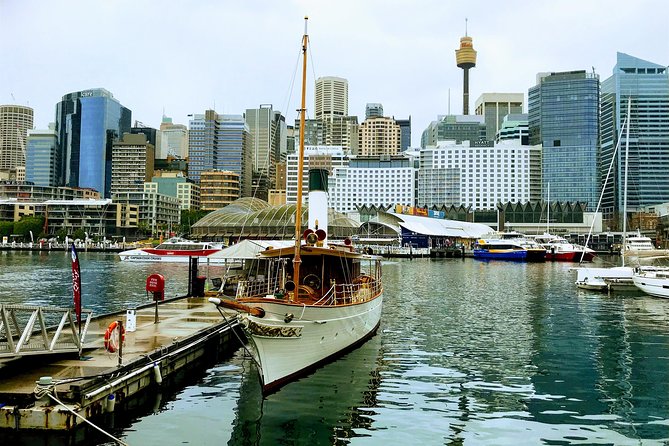
- Darling Harbour: the warm-up zone with lots to notice
- Sydney (the mid-route city stretch): where you slow down and think
- Queen Victoria Building (QVB): a satisfying clue-solving pause
- Circular Quay: the payoff area near the finish
- The leaderboard and the clock: friendly competition without the stress
- Help, hints, and phone searching: how to avoid getting stuck
- Who should book Discover Sydney?
- Practical strategy for getting the most out of 2–3 hours
- Timing window: plan around weekday hours
- Should you book this clue trail?
- FAQ
- FAQ
- How much does Discover Sydney cost?
- How long does the trail take?
- Is it a guided tour or self-guided?
- Where do we start and where do we finish?
- What areas are included in the route?
- Is it private for our group?
- What if we get stuck on a clue?
- Can we cancel, and is there a deadline?
Key highlights to look for
- Self-guided on your smart device with Help and Hint options when you stall
- 18 clues that pace you across Sydney in about 2–3 hours
- Clock stops on correct answers, so you can think and still enjoy the walk
- Designed for teams: up to 6 people per group, great for workplace events
- Waterfront-to-city-center route with stops that include Darling Harbour, QVB, and Circular Quay
- Ends near a pub in Circular Quay, a solid payoff point for lingering chat
How the smart-clue format changes your Sydney day
This experience is built around a simple promise: you guide yourself, and your phone does the guiding. Instead of meeting a group at a fixed pace and listening the whole time, you solve clue after clue. That changes the whole vibe of sightseeing. You’re moving, noticing, and making small discoveries instead of just passing by famous places.
The “work-out for your brain” part isn’t gimmicky. Because answers unlock the next clue, your attention stays locked in. It also means you’re not dependent on a perfect schedule. When you get an answer correct, the clock stops automatically. Then you can take your time—look at the scenery, regroup, snap a photo, and discuss as a team—before you tap Next Clue.
That clock mechanic is honestly one of the best parts of this format. If you’ve ever done a timed walking tour where you feel pressured to sprint, you’ll appreciate the gentler pacing here. You can be competitive, but you’re not forced to race.
You can also read our reviews of more tours and experiences in Sydney.

Price and group value: $39.45 per group up to 6

At $39.45 per group (up to 6 people), the math can be surprisingly friendly. This isn’t priced per person. It’s priced for the team experience—so a couple of friends, a family group, or a small office team can do it without each person adding a separate fee.
The value improves if you’re the kind of group that likes light challenges. You’re not paying for a long guided talk. You’re paying for a structured route, clue flow, and the payoff moment at the end. If your group’s idea of fun is “let’s solve something together while we see the city,” this is a good fit.
If your team prefers passive sightseeing—stopping often, reading slowly, and taking photos without problem-solving—this might feel like too much effort. The trail is meant to be interactive, not laid-back roaming.
Where you start: Pyrmont’s Pirrama Rd base
You begin at 50B Pirrama Rd, Pyrmont NSW 2009, and the activity ends back at the meeting point. That matters because you get the benefits of a “start here, finish back here” plan without having to arrange a one-way trip across town.
Pyrmont is also close enough to central Sydney that the day doesn’t feel like a long commute. The route then pulls you into places many people only visit briefly. Instead of popping in for a quick photo, you’re moving through the areas in sequence, while the clues keep your attention from drifting.
Stop by stop: what each Sydney area adds to the trail
Darling Harbour: the warm-up zone with lots to notice
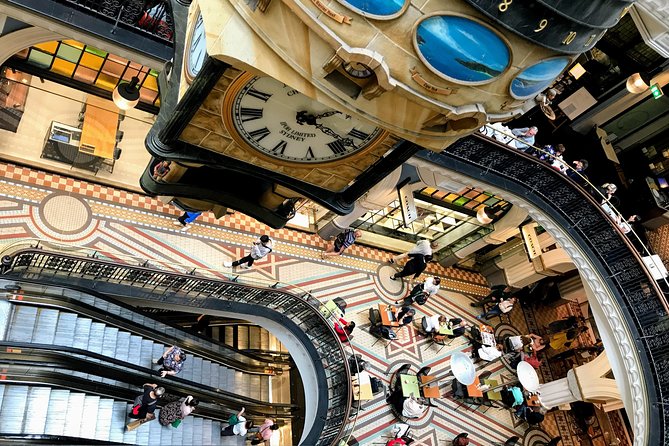
Your first stop is Darling Harbour. This opening placement is smart. Darling Harbour is an easy area to orient yourself in, and it sets the tone right away: you’re stepping into a high-activity part of the city where it’s natural to look around and notice details.
As a clue trail starter, it’s helpful because your brain is fresh. You’re likely to figure out the app rhythm quickly: read, decide, answer, move on. It’s the stage where your team learns how you’ll work together—who reads clues, who spots answers, and how quickly you’ll search.
A practical consideration: because it’s a popular tourist area, you may run into crowds on busier days. One review specifically mentioned doing it on Australia Day, and that sort of day can add pressure simply because there are more people moving through the same spaces. Go with that in mind and you’ll avoid the frustration of expecting empty sidewalks.
- Blue Mountains Small-Group Tour from Sydney with Scenic World,Sydney Zoo & Ferry
★ 5.0 · 3,709 reviews



Sydney (the mid-route city stretch): where you slow down and think
Next comes a stop labeled simply Sydney. Even without a named single landmark, this part of the trail matters because it keeps you in “real city mode.” You’re not only visiting scenery; you’re navigating urban streets and learning the city at walking pace.
This middle stretch is also where teams usually benefit from having a system. For example: one person can handle clue reading and keep the discussion focused. Another can handle phone searching if you decide to use the look-it-up option. That way, you don’t get stuck in a loop of debating without progress.
The key benefit here is variety. Early on, you’re in a recognizable waterfront area. In the middle, you shift to the feel of Sydney’s everyday movement—crossings, storefronts, and the rhythm of city blocks. That’s often where “tourist photos” turn into actual city understanding.
Queen Victoria Building (QVB): a satisfying clue-solving pause
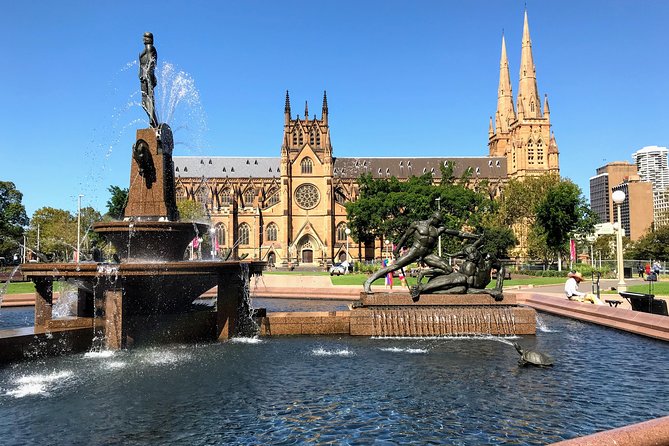
The route includes Queen Victoria Building (QVB). QVB is a great inclusion for a clue trail because it’s a destination people recognize, but it also offers plenty of “look-and-notice” opportunities for a team moving carefully.
For your group, this stop can become a natural break. Even if you don’t stop long, you get a chance to slow down and reset. Teams tend to work better when there’s a moment to breathe, regroup, and decide how you’re approaching the next set of clues.
The drawback of any indoor-leaning stop is simple: if the area is crowded, your team’s solving rhythm can slow down. If you’re easily annoyed by bottlenecks, plan to take it easy and treat QVB as a checkpoint rather than a race point.
Circular Quay: the payoff area near the finish
Your final major area is Circular Quay, and the trail ends in a pub in Circular Quay. That’s a strong finish design. It turns the “last clue” moment into something concrete. Instead of wandering with no payoff, you know there’s a celebratory place waiting nearby.
Circular Quay is also visually satisfying. It’s the kind of area where it’s easy to keep talking after you finish the puzzle because the surroundings are lively and scenic. Even if you’re not planning a big meal, landing near a pub gives your group a default plan: hydrate, toast yourselves, and compare answers.
One more practical point: because Circular Quay is a major hub, there’s usually foot traffic. Don’t build an expectation of quiet. If you go with the mindset of friendly bustle, you’ll enjoy the atmosphere more.
The leaderboard and the clock: friendly competition without the stress

At the end, you’ll see a leaderboard with your team name and time. But the bigger design choice is the automatic clock behavior. The clock stops whenever you get an answer correct, then restarts when you select Next Clue.
That means you’re not punished for taking a minute to regroup or talk it through. It also reduces the common stress of clue trails where everyone feels behind. Instead, it supports a more natural rhythm: solve, pause, enjoy, solve again.
If you’re planning this for work, schools, or a club event, this leaderboard piece is perfect. It gives you a reason to celebrate effort and teamwork without needing extra prize games. You can just decide your own internal winners.
Help, hints, and phone searching: how to avoid getting stuck
The trail includes Help and Hint options. That’s important because it prevents one person from getting stuck in “forever logic mode.” Your group can ask for a nudge rather than spiraling into frustration.
You can also use your device to look things up if required. That’s a smart design choice because it turns the experience from a pure trivia test into a learning-style walk. If you don’t know an answer, you’re not dead-ended—you can choose whether to guess, hint, or search.
Tip for teams: set a quick rule before you start. For example, decide whether you’ll allow searching immediately or only after trying Help/Hint first. It keeps the experience balanced, especially if you have a mix of fast solvers and slower-but-thorough thinkers.
Who should book Discover Sydney?

This is a strong pick for:
- Groups of friends who like puzzles and walking
- Local Sydneysiders who want a structured way to see familiar places differently
- Team-building events for small workplaces or groups (it’s set up for teams and competition)
- Tourists who want more than the usual “walk and look” plan, without committing to a guided tour schedule
It’s less ideal if:
- Your group hates problem-solving and wants only passive sightseeing
- You’re expecting a narrated, museum-style experience
- You want long guided commentary at each stop rather than clue-based movement
Based on the format, I’d treat it like an activity day. The best results come when you talk, split tasks, and lean into the little challenges as you go.
Practical strategy for getting the most out of 2–3 hours

You’ve got about 18 clues and roughly 2–3 hours. That means you should plan to move at a comfortable walking pace and allow time for discussion. If your group is the kind that takes photos constantly, factor that in so you don’t rush at the end.
A few practical ways to make it smoother:
- Assign roles: one clue reader, one searcher, one time-keeper
- Keep your device charged and ready before you start
- If a clue stalls, use Help or Hint quickly so you don’t lose momentum
- When you nail an answer, take the pause to notice what you’re standing in front of—those are often the moments you’ll remember later
Also, remember you’re navigating across central Sydney areas by foot. Wear shoes you’d happily walk in for an afternoon. This is not the kind of day for heavy planning boots or stiff heels.
Timing window: plan around weekday hours
The experience lists opening hours Monday to Friday from 9:00 AM to 3:30 PM (within the given date range). So if you’re dreaming of a weekend adventure, you’ll want to check the available days when you book.
One more timing note: the route can become more complicated on peak holiday periods simply because foot traffic rises. If you’re going on a busy day, give yourselves extra patience and treat the crowd as part of the city experience.
Should you book this clue trail?
If you want a Sydney day that feels active, team-based, and slightly challenging, this is a smart booking. The pricing makes it especially friendly for small groups, and the clue/clock design reduces the usual pressure of timed activities. Ending near a pub in Circular Quay also makes the finish feel like an event rather than just “wrap and go.”
I’d skip it if your group wants a traditional guided tour with lots of storytelling. This trail is built for self-direction and teamwork. When that matches your group’s style, it’s a fun way to see Sydney with your brain switched on.
FAQ
FAQ
How much does Discover Sydney cost?
It costs $39.45 per group, up to 6 people.
How long does the trail take?
Plan on about 2 hours 30 minutes (and the experience is expected to take 2–3 hours).
Is it a guided tour or self-guided?
It’s self-guided using your smart device. You receive clues and move to the next clue after you answer correctly.
Where do we start and where do we finish?
You start at 50B Pirrama Rd, Pyrmont NSW 2009. The activity ends back at the meeting point, and the trail is designed to end in a pub in Circular Quay.
What areas are included in the route?
Stops include Darling Harbour, Sydney, Queen Victoria Building (QVB), and Circular Quay.
Is it private for our group?
Yes. It’s a private tour/activity, meaning only your group participates.
What if we get stuck on a clue?
You can use Help and Hint options on your device. You can also use your device to look things up if needed.
Can we cancel, and is there a deadline?
Yes, there’s free cancellation. You can cancel up to 24 hours in advance for a full refund.
You Might Also Enjoy



More Tour Reviews in Sydney
- Blue Mountains Small-Group Tour from Sydney with Scenic World,Sydney Zoo & Ferry
★ 5.0 · 3,709 reviews