REVIEW · SYDNEY
From Sydney: Australian Wildlife Safari with Lunch & Dinner
Book on GetYourGuide →Operated by Local Travel Planner · Bookable on GetYourGuide
Night spotting in the Southern Highlands feels magic. This 10-hour safari blends wildlife tracking lessons with real time searching, from kookaburras and parrots to kangaroos and wallabies in open bush. I especially love how the guides focus on where animals actually show up; one guide named Emma was praised for turning guesswork into sightings. The other thing I like a lot is the pacing: lunch in daylight, a historic country pub meal at dusk, then proper nocturnal searching with equipment that helps you see small movement at night.
One consideration: it’s not a sit-and-watch outing. You should expect to walk about 1 km at a time over steep, rough, and sometimes slippery trails and river banks, and the best “targets” (like platypus) still depend on conditions and luck.
In This Review
- Key things to know before you go
- Getting out of Sydney: the 90-minute push into the Southern Highlands
- Lunch, conservation projects, and wildlife tracking basics
- Afternoon wildlife in daylight: birds first, then kangaroos and wallabies
- Late afternoon to dusk: chasing platypus chances near still waters
- Historic pub dinner and the switch to red-light night hunting
- Nocturnal marsupials under the spotlight: wombats, possums, and gliders
- Price and logistics: is $300 good value for this kind of safari?
- Who this safari is best for (and who might want to skip it)
- Should you book the Australian Wildlife Safari from Sydney?
- FAQ
- Where is the meeting point for the Sydney wildlife safari?
- How long is the experience?
- What wildlife might you see during the day and at night?
- What walking is involved?
- What’s included with lunch and dinner?
- How big is the group?
- What should I bring?
Key things to know before you go
- Small group cap (8 participants): more time with your guide and less waiting around
- 90-minute ride to the Southern Highlands: a real change of scenery, not just a quick stop outside the city
- Included meal combo: light gourmet wraps lunch plus a hearty pub dinner with a drink
- Day-to-night wildlife rhythm: birds and marsupials in daylight, then red spotlights for nocturnal animals
- Hands-on spotting tools: binoculars, handheld spotlights, and wildlife reference guides
Getting out of Sydney: the 90-minute push into the Southern Highlands
This tour starts in central Sydney, right outside the Sydney Harbour Marriott Hotel at Circular Quay (30 Pitt St). It’s an easy meeting point if you’re using the train, light rail, ferry wharves, or bus stops nearby. After you meet your friendly guide, you’ll head out in air-conditioned transport toward the Southern Highlands—scenery that matters because wildlife sightings improve when you’re not stuck in a city edge habitat.
That first stretch is also where you learn how the day will work. The guide shares stories about the creatures you may encounter and teaches you the basics of spotting: not just looking harder, but looking smarter. You’ll hear tips on the kinds of signs to watch for—things like movement patterns, calls, tracks, or feeding areas—so when you step out later, you already know what to pay attention to.
One practical benefit of this drive: you arrive with your eyes tuned for wildlife. If you’re coming straight from sightseeing, this transition helps you shift gears from “what’s that?” to “that’s the kind of place an animal would use.”
You can also read our reviews of more tours and experiences in Sydney



Lunch, conservation projects, and wildlife tracking basics
Once you arrive, the day settles into a steady rhythm. You start with a light lunch—gourmet wraps plus juice and water. It’s not a huge meal, which is good because you still have afternoon walking ahead. You’ll want to pace yourself; there’s plenty of time later for the more filling pub dinner.
Then comes the part that makes the safari more than a wildlife drive. You’ll learn about inspiring local conservation projects, and you’ll get instruction on the art of wildlife tracking—how to read the landscape and interpret clues. This is a big value point for your experience. Without that, wildlife tours can feel like luck-based sightseeing. With it, you start noticing things you’d normally miss.
What to expect in practice: you’ll get guidance on spotting likely areas and responding to what you see (or what you don’t see). The goal is to help you move with the guide’s plan rather than wandering around hoping for the best. You’ll also be more ready for the quieter animals that show up briefly—like a quick dart of movement or a pause in undergrowth.
Afternoon wildlife in daylight: birds first, then kangaroos and wallabies
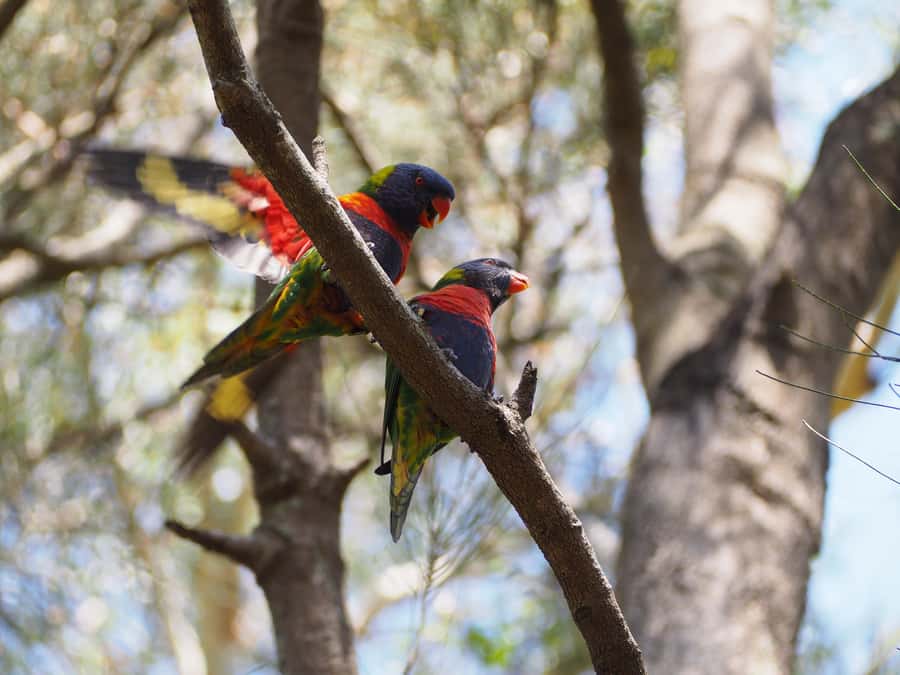
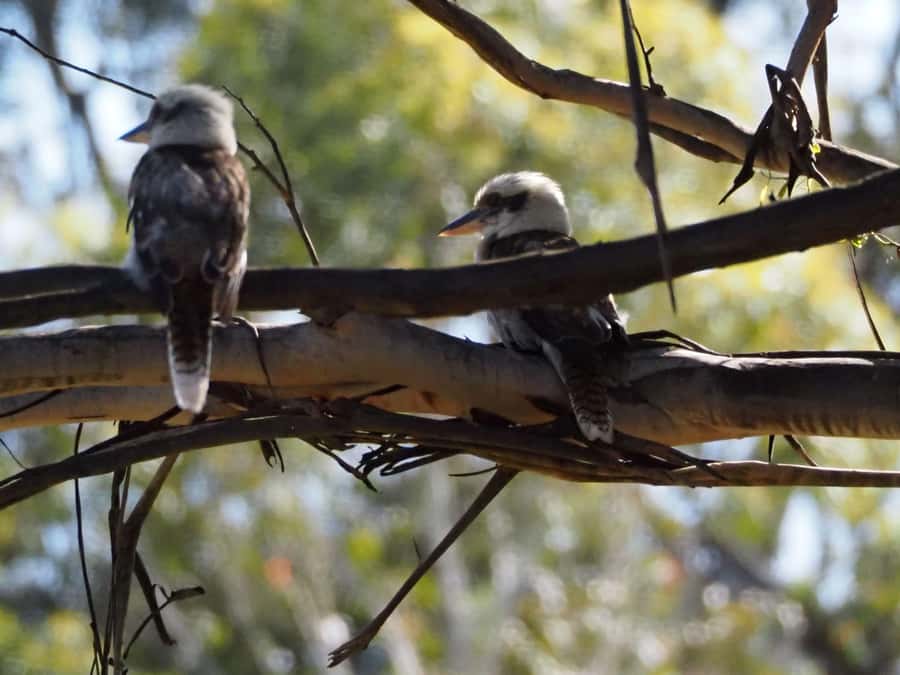
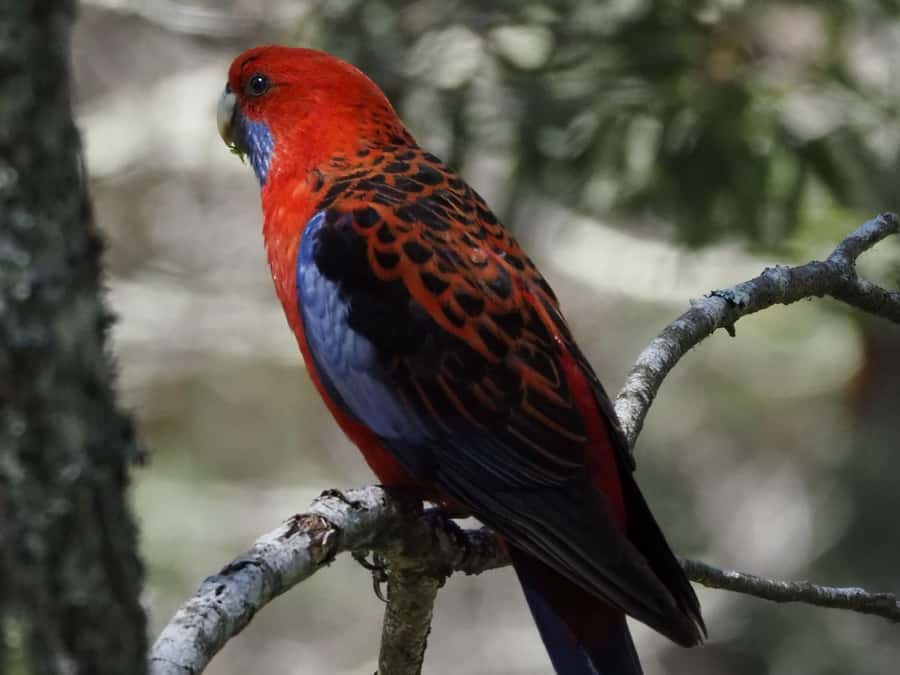
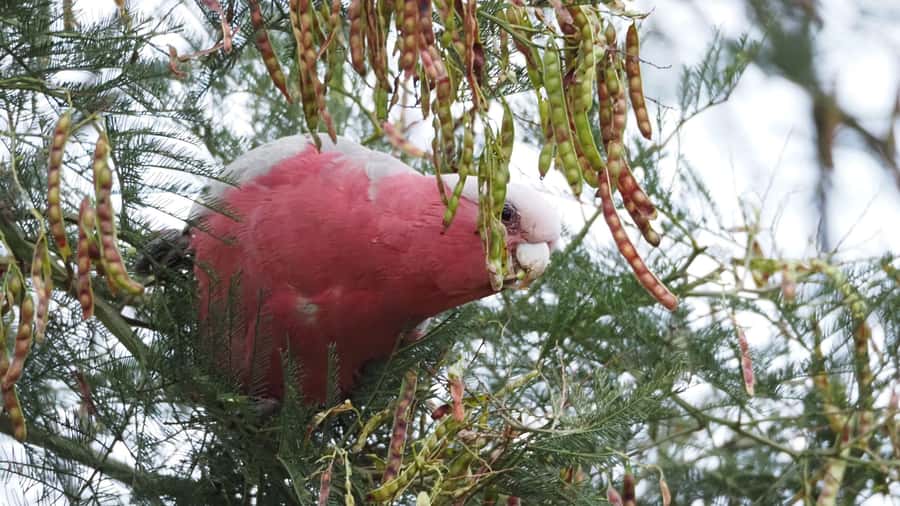
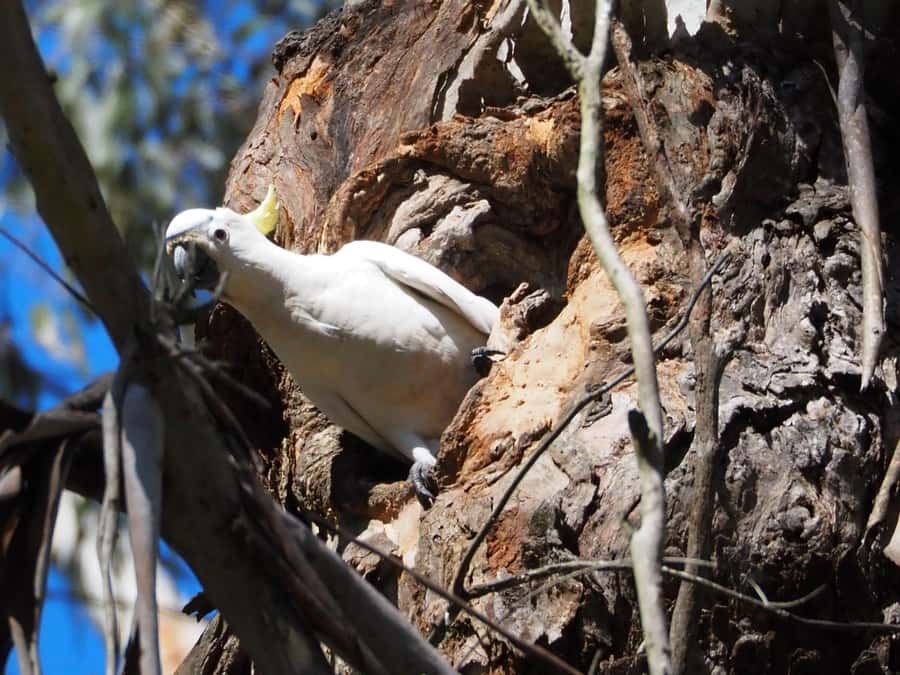
The afternoon is where the Southern Highlands shows off its daily character. You’ll spend time in bushland and open country that’s alive with bird activity. Expect the sounds first: kookaburras are a signature, and once you hear them you’ll often start spotting more birds nearby. You may also see colorful parrots such as rosellas and cockatoos as they move through the trees and across open patches.
Birdwatching here isn’t just pretty; it’s useful. Many birds tell you something about habitat—where there’s food, where there’s cover, and how animals are using the area that day. So even when you’re hunting larger wildlife, watching birds helps you understand the environment.
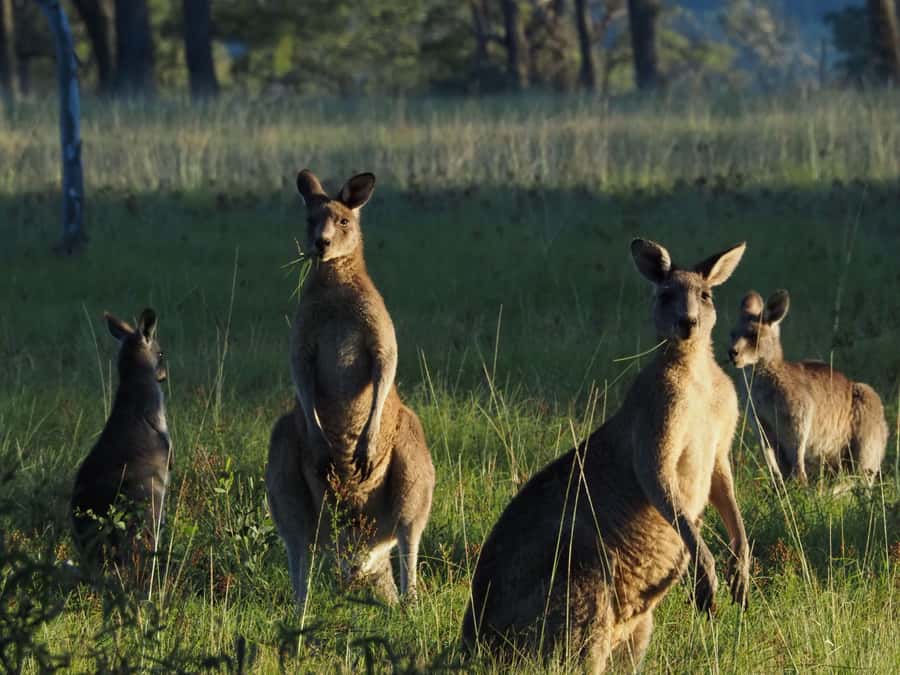
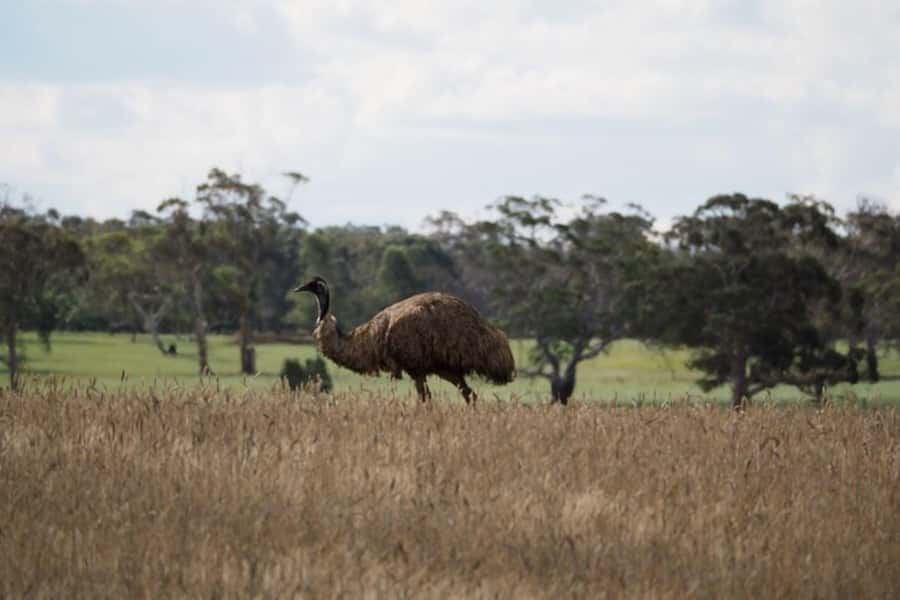
As the afternoon moves along, you shift to the bigger action. You’ll look for kangaroos grazing, wallabies darting through undergrowth, and possibly an emu wandering through the area. This is the kind of wildlife encounter that feels authentic because it’s in natural space with time to observe. You’re not looking at animals behind glass. You’re watching them use the land as they normally would.
Tip for your comfort: bring the right clothing for the terrain and keep your eyes low and wide. Understory movement is where wallabies can appear, and kangaroos can show up farther out than you expect. Binoculars included in the tour can help you spot faster without constantly changing your position.
Late afternoon to dusk: chasing platypus chances near still waters
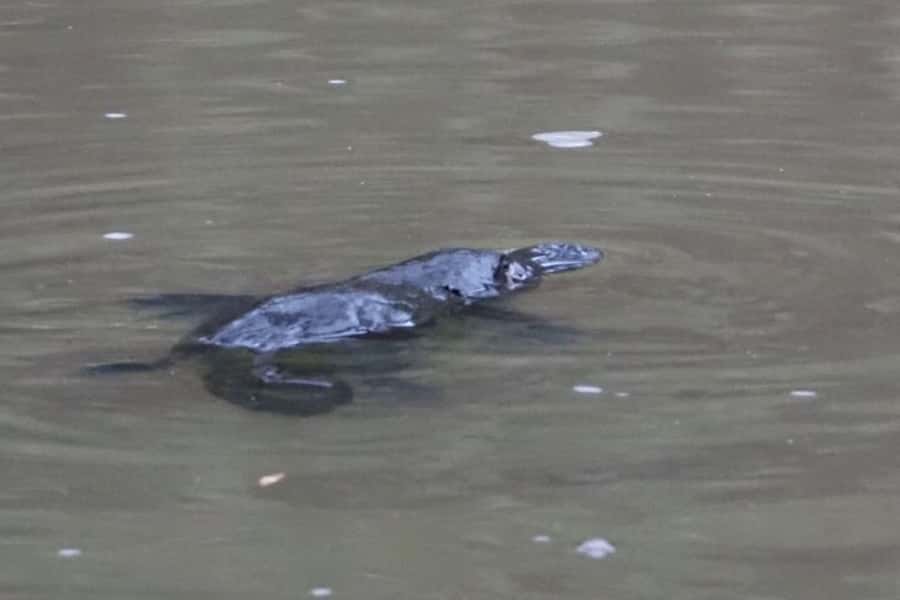
The tour is built around multiple wildlife “windows,” and one of the most exciting possibilities is the elusive platypus. At late afternoon, there may be a chance to see platypus feeding in still waters. That phrasing matters: platypus sightings are not guaranteed, and this is exactly why the tracking and listening skills from earlier in the day make a difference.
You’ll likely be directed toward areas where water conditions and local activity make spotting more realistic. Even if you don’t see a platypus, the experience isn’t a bust. By the time you reach this part of the day you’ve already had chances to observe kangaroos, wallabies, and a lot of bird life. Still waters also change the scene for night work later—so it’s part of the overall rhythm, not just a single “hope moment.”
If you’re hoping for a platypus photo, be ready for short windows and quiet waiting. The included reference guides and binoculars can help you confirm what you’re seeing, and your guide can help interpret subtle signs rather than turning it into frantic staring.
Historic pub dinner and the switch to red-light night hunting
Once dusk settles, you head for a hearty dinner at a historic country pub. Lunch is light; dinner is the payoff. You’ll have the meal plus a drink from the bar included. It’s a welcome break after hours outdoors, especially if you’ve been standing and scanning for movement.
What I like about this setup is the contrast. You go from active daylight searching—birds, open-country wildlife, and the constant scanning of undergrowth—to a nighttime mode where visibility works differently. That’s why the night gear is included: handheld spotlights and wildlife reference guides. You’re not wandering around trying to find animals with normal lighting.
This is also when you get mentally ready. Night wildlife watching rewards patience, not rushing. The guide’s role becomes even more important here: helping you position safely, watching for signs that something is active, and turning your camera from a daytime tool into a night-sighting partner.
You can also read our reviews of more tours and experiences in Sydney


Nocturnal marsupials under the spotlight: wombats, possums, and gliders
After dinner, you head back out at night armed with special red spotlights. Red light is key because it helps you observe animals with less disturbance than bright white beams. This is where the safari becomes uniquely Australian. You’re searching for nocturnal marsupials—animals that are often invisible in daylight.
The tour targets several possibilities:
- wombats ambling across moonlit clearings
- possums feeding in treetops
- tiny feathertail gliders on the move
- and the broader range of night activity the Highlands supports
You also need to understand what kind of “seeing” happens at night. Sometimes it’s a clear sighting. Other times it’s a brief silhouette, a movement in foliage, or a pause near cover. That’s where your guide and binoculars help you separate random dark shapes from real wildlife.
This part can be a highlight for photographers. If you’re used to shooting daytime action, night wildlife forces different habits: steady framing, waiting for motion, and learning how to react when something finally appears. If you do get lucky—like spotting sugar gliders or even the glimmer of something smaller in motion—you’ll likely feel how much the red-light approach improves your odds.
You’ll then return to Sydney under the stars with camera and memories ready to go.
Price and logistics: is $300 good value for this kind of safari?
At $300 per person for a 10-hour experience, the big question is what you get for that money beyond the word “wildlife.”
Here’s what’s included that directly affects your experience:
- comfortable air-conditioned transport from Sydney
- a friendly guide plus wildlife tracking instruction
- light gourmet wraps lunch with juice and water
- a hearty country pub dinner with a drink
- binoculars and handheld spotlights
- wildlife reference guides
When you factor those in, it shifts from “paying to see animals” to “paying to have the right setup and the right guidance.” Transport alone costs time and effort when you’re doing it independently. The equipment and reference materials matter too, because at night you’re not just looking—you’re trying to identify what you’re seeing fast.
The small-group cap (8 participants) is another value marker. More people can mean more noise and more distance between you and the action. Here, the day is set up so you spend time scanning and learning instead of waiting.
Would I say it’s budget travel? No. But if you want a guided wildlife day that covers daytime birds and larger mammals, then follows through with a real nocturnal spotlight search, the price feels fair for a full-service outing.
Who this safari is best for (and who might want to skip it)
This tour fits you best if you want structured wildlife time and you’re willing to walk. You’ll cover uneven terrain and sometimes slippery riverbank areas. You should be comfortable walking about 1 km at a time.
It also suits you if you like learning. The tracking and conservation pieces turn the day into a skill-building experience, not just a photo mission.
It may not be ideal if:
- you want minimal walking
- you travel with very young children (it’s not suitable for children under 12)
- you’re uncomfortable outdoors for long periods
Alcohol is available at dinner via a included bar drink, and you must be 18+ with photo ID if requested. If you’re not planning to drink, you can still enjoy the meal and the night work just fine.
Should you book the Australian Wildlife Safari from Sydney?
I’d book it if you want a true wildlife-focused day that goes beyond daytime “drive-by” sightings. The combination of daytime birdlife and marsupials, a proper pub dinner break, and then red spotlight night searching is exactly the mix that makes this feel like an actual safari.
Book it especially if you care about improving your odds. With tracking instruction, spotting tools, and a small group, you’re not relying only on luck. The day’s targets include kangaroos, wallabies, emus, possums, wombats, and even the chance for platypus in still waters, and the guide’s job is to help you read the land so your sightings come faster.
Skip it if you dislike uneven walking or you need a fully relaxed, seated experience.
If you go, dress for the Southern Highlands weather and terrain, bring insect repellent, and keep your expectations realistic: wildlife can be shy, but the structure of this tour is what gives you a fair shot.
FAQ
Where is the meeting point for the Sydney wildlife safari?
You meet out the front of the Sydney Harbour Marriott Hotel at Circular Quay, 30 Pitt St, Sydney.
How long is the experience?
The tour runs for 10 hours.
What wildlife might you see during the day and at night?
During the day you may see kangaroos, wallabies, emus, kookaburras, rosellas, cockatoos, and other Australian fauna. At night the spotlight search looks for nocturnal marsupials such as wombats, possums, and feathertail gliders.
What walking is involved?
You should be able to walk 1 km at a time, including over steep, rough, and sometimes slippery trails and river banks.
What’s included with lunch and dinner?
Lunch includes gourmet wraps plus juice and water. Dinner is at a historic country pub with a hearty country-style meal and a drink from the bar.
How big is the group?
This is a small group capped at 8 participants.
What should I bring?
Bring a hat, sunscreen, comfortable clothes, insect repellent, closed-toe shoes, and a reusable water bottle.
You Might Also Enjoy

More Lunch Experiences in Sydney
More Dining Experiences in Sydney



More Tour Reviews in Sydney
- Blue Mountains Small-Group Tour from Sydney with Scenic World,Sydney Zoo & Ferry
★ 5.0 · 3,709 reviews