REVIEW · SYDNEY
Mosaic Art Classes Sydney: Turkish Lamp Workshop
Book on Viator →Operated by Art Masterclass · Bookable on Viator
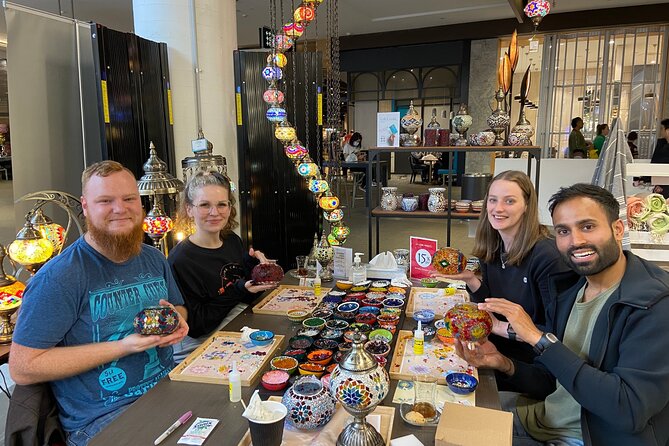
A Turkish mosaic lamp turns craft time into trip time. In this Sydney studio workshop, you’ll make a geometric-style candle holder using classic tile techniques, with tea, snacks, and lots of hands-on help. The class runs about 2.5 hours, and you can even step up to bigger lamp styles if you want your piece to look more dramatic.
What I like most is how guided it feels while still letting you make choices. You can follow a template or create your own pattern, and you pick from multiple colours and pre-cut transparent glass shapes right at your table. I also love that you’re not just making something pretty—you’re learning the logic behind Turkish-inspired geometric designs.
One consideration: part of the process happens after you leave. You do the final plastering at home after the glue dries (though the studio offers to do it for an extra fee), so if you hate carrying a half-finished craft, plan for that.
In This Review
- Key things to know before you go
- Turkish Lamp Workshop at 191 William St: the studio vibe and flow
- Price and what you actually get for $56.66
- Design time: templates, colours, and making the pattern your own
- From glass pieces to candle holder: the mosaic steps that matter
- Plastering at home, or paying the studio to do it
- Upgrade options: from candle holder to classic lamp styles
- Drinks, snacks, and the social part of craft time
- Timing and logistics: what 2.5 hours looks like
- Who should book this Turkish lamp workshop (and who might skip)
- Practicalities: making it fit your Sydney day
- Should you book Mosaic Art Classes Sydney: Turkish Lamp Workshop?
Key things to know before you go
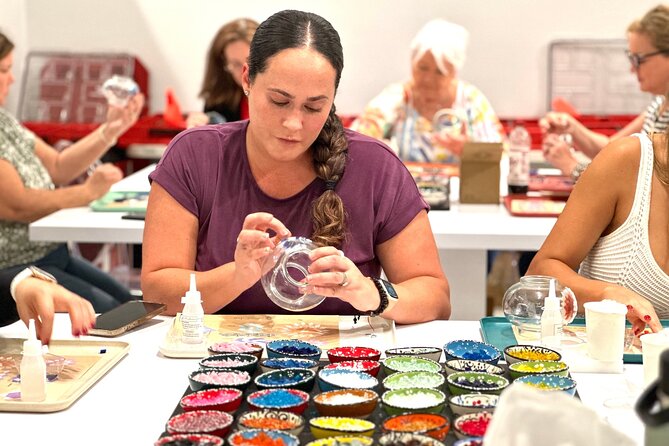
- You make a candle holder, not just a sample, and it’s designed to be taken home
- Templates are your starting point, but you can build your own geometric layout
- You choose from 10+ colours plus pre-cut transparent glass pieces
- You get drinks and snacks during the workshop, making it a friendly afternoon plan
- Upgrades exist if you want a table lamp or more elaborate lamp styles
Turkish Lamp Workshop at 191 William St: the studio vibe and flow
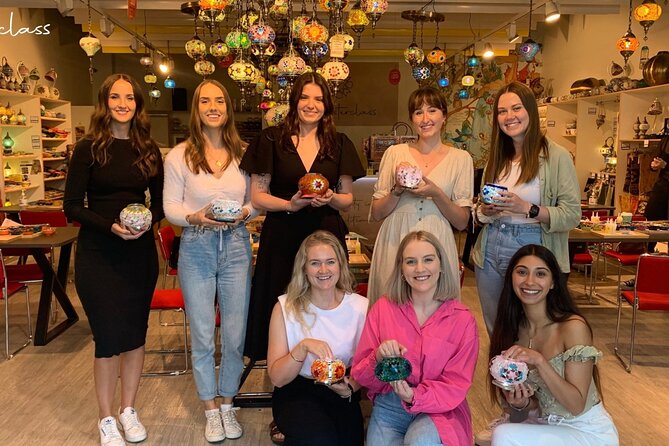
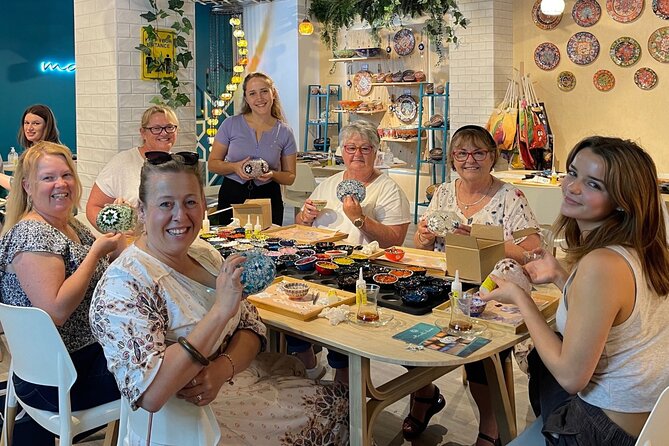
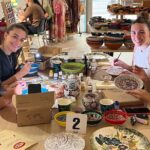
This workshop is based at 191 William St, Darlinghurst NSW, a spot that’s easy to reach and set up for a proper class. The studio format matters here: you’re not dropped into a loose craft party. You’re seated at a table with materials, then walked through each stage at the pace the group needs.
The tone is practical and welcoming. You’ll have hot drinks and snacks while you work, which sounds small until you realize how much nicer it is to focus when you’re not also trying to find food after. The best part is that you’re given structure—template designs, colour options, and clear steps—so you can concentrate on the craft instead of guessing what comes next.
Because the maximum group size is 32, you should expect a real chance to get help while you’re working. That’s a big deal for mosaics, where one or two tricky spots can throw off your final look if you’re left to figure it out alone.
You can also read our reviews of more tours and experiences in Sydney


Price and what you actually get for $56.66
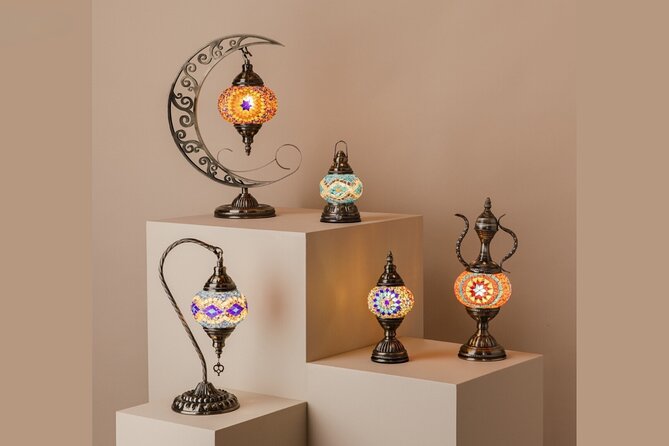
At $56.66 per person, this is one of those experiences that feels more like value than a souvenir factory. You’re paying for instruction, materials, and the time to produce an actual functional keepsake: a traditional Turkish-style mosaic candle holder.
For a day in Sydney, that price is reasonable because you’re not only buying supplies. You’re also buying:
- a clear process (design → placement → glue → finishing step)
- pre-cut glass pieces (so you’re not grinding and cutting)
- staff support when things don’t look right at first
- tea and snacks to make the two-and-a-half hours comfortable
Could you buy a finished lamp cheaper? Sure. But you won’t learn how the design gets built, and you won’t get the satisfaction of making something you can set on a shelf or use as a gift.
The other reason this price works: you can keep it simple (candle holder) or upgrade to larger, more elaborate options for additional charges. If you’re the type who always goes a step further when you’re already there, the upgrade path can turn this into a more standout keepsake.
Design time: templates, colours, and making the pattern your own
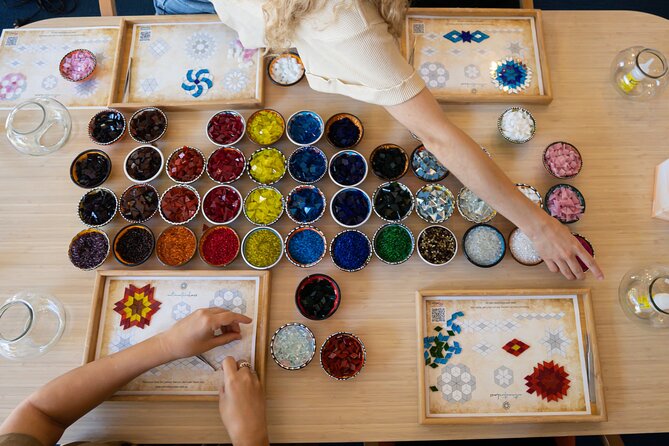
The heart of the workshop is the design stage. You’ll get 10+ colours to choose from, and your glass is already cut into transparent shapes. That means you’re working on composition and layout rather than turning yourself into a craft mechanic with tools.
You’ll also choose from traditional design templates. Even if you love the look of Turkish geometric patterns, there’s a practical benefit to templates: they prevent the common problem of overthinking. You’re not starting from a blank page. You’re selecting pieces that fit a proven pattern system.
You can also make your own design. That’s where the class becomes more personal. You’re still using the structure of the template approach, but your choices influence the mood—cooler tones for a calm look, warmer colours for something that feels more celebratory.
Here’s what to pay attention to during this stage: glass mosaic designs can shift depending on how neighbouring colours interact. Your instructor’s role at this point is not just pointing. It’s helping you pick colours and placements so the final layout reads clearly once it’s assembled.
From glass pieces to candle holder: the mosaic steps that matter
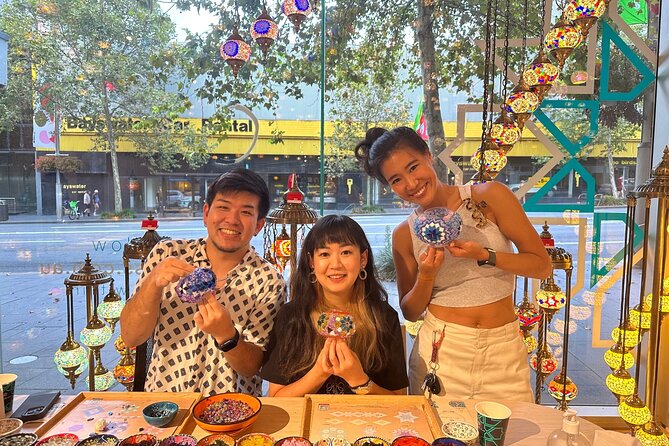
Once you’ve chosen your colours and design, you move into the assembly workflow.
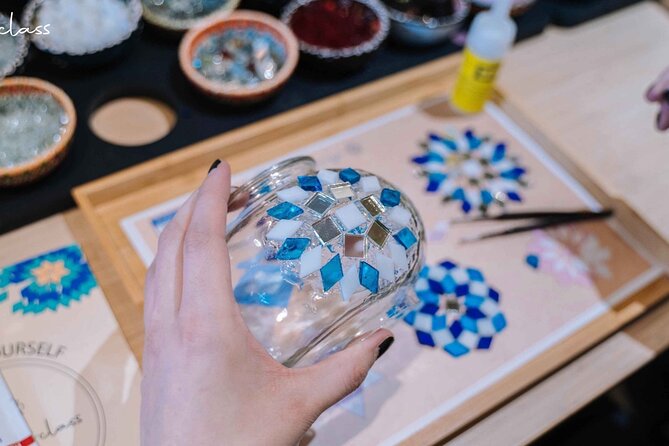
First, your pattern is transferred onto the glass candle holder using a special glue. That step is important because it sets your placement zones. If you’ve ever tried to do mosaics without a transfer plan, you know how quickly everything can drift. Here, you’re guided to keep the layout aligned.
Next comes the placement of the pre-cut transparent glass shapes. This is the part where patience pays off. Mosaic work isn’t complicated, but it is detail-heavy. You’re placing small pieces deliberately, aiming for clean lines and a cohesive geometry.
The upside is that the studio doesn’t leave you to wrestle it out alone. In the feedback from people who loved the class, instructors were described as patient and hands-on—especially when mistakes happen or when a design needs adjusting to look right. That support is exactly what you want in a craft where small corrections improve the entire look.
You’ll also be given the equipment you need for the steps that follow. The workshop is set up so you’re not hauling a toolbox around Sydney. You show up, work, and leave with a piece you can finish.
Plastering at home, or paying the studio to do it
After the glue step, there’s one more finishing phase: plastering. The key detail is timing. You do this after the glue has dried, which is why the final step is usually handled at home.
This is the part that can be a deal-breaker for some people. If you’re travelling and you don’t want to manage drying time, carrying materials, and a finishing step on your schedule, it’s worth planning ahead. The workshop does offer an option: you can have the studio handle the plastering for you for an extra fee. That’s a smart choice if you want a cleaner trip experience and less worry about final results.
If you do the plastering yourself, you’ll want to treat it like a mini home project. Set aside time when you can follow the process calmly, and don’t rush the dry time. Done right, plastering is what helps lock the look into place and gives the piece that finished, traditional feel.
The good news: this is not the same as doing the whole workshop again at home. You’re mainly completing the last step after the core mosaic is set.
- Blue Mountains Small-Group Tour from Sydney with Scenic World,Sydney Zoo & Ferry
★ 5.0 · 3,709 reviews




Upgrade options: from candle holder to classic lamp styles
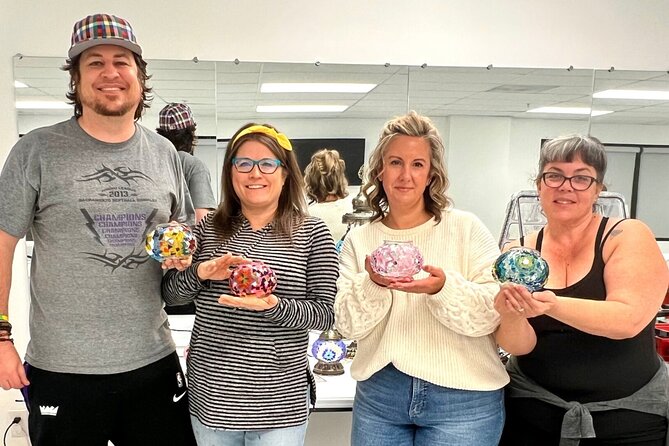
With this ticket, you make a candle holder. But you’re not stuck there. The studio offers upgrades in a clear order:
- Table Lamp
- Classic Turkish Lamp
- Aladdin Lamp
If you’re thinking about upgrading, decide based on two things. First, how much visual impact you want when you bring it back. Larger lamp styles will naturally feel more impressive as a souvenir. Second, how much time and effort you want to spend managing the finished object once it’s done.
If you love the idea of mosaic craft but you’re concerned about the final handling, upgrading might still be worth it—it’s just something to consider alongside your comfort level with the finishing step (especially the plastering timing).
Drinks, snacks, and the social part of craft time
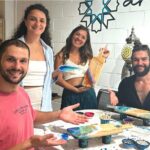
This is not a silent, museum-style activity. It’s a social craft class built for a group vibe. You’ll be offered hot drinks and snacks, and people have called out the sweet side of it—tea plus treats—so it’s a good fit for people who want something fun and friendly, not overly serious.
You’ll also share the space with a group of up to 32 people, which usually creates a lively atmosphere without turning chaotic. For many, the best part is working alongside others while you compare patterns, colour choices, and the little design decisions that make each lamp look unique.
If you’re visiting Sydney with friends or family, this can work as a shared activity that doesn’t require advanced skills. You’re all making your own piece, and the process gives you plenty to talk about.
Timing and logistics: what 2.5 hours looks like
The class runs about 2 hours 30 minutes. In practice, that window needs to cover multiple steps: design choices, transferring the pattern, placing tiles, and starting the build toward the finished mosaic.
The workshop structure is designed to fit that timeline, and that’s why it works for people with limited time in the city. You don’t need a full day, and you’re not waiting around for long explanations. You get to start creating fairly quickly.
Because it’s near public transportation, you can plan it as a standalone activity. If you’re staying in central areas, you can usually fit this into an afternoon without fighting complicated logistics.
Also, you’ll receive a mobile ticket, which makes check-in easier. That matters in busy cities where paper tickets can become a small hassle.
Who should book this Turkish lamp workshop (and who might skip)
I think this workshop is a great match if:
- you want a hands-on craft that still feels approachable
- you like the look of Turkish-inspired geometric designs
- you want a meaningful take-home item, not just photos
- you enjoy a structured activity where help is available when needed
- you’re travelling with someone who loves creative workshops
It may be less ideal if:
- you strongly prefer to finish everything before you leave (because plastering happens after glue dries, with an optional studio service for an extra fee)
- you get stressed by waiting time and at-home steps
- you’re looking for a purely guided demo with minimal decision-making (you do have choices to make)
If you’re on the fence because of the at-home plastering, consider the studio’s option to do it for you. That one decision can turn this into a smooth, no-stress souvenir experience.
Practicalities: making it fit your Sydney day
Two practical notes will help you plan well.
First, think about when you want drying time. Glue drying is part of the process flow, and that determines when you’ll do plastering at home. If you’re leaving Sydney soon after the class, ask yourself whether you can store the candle holder safely and complete the finish without rushing.
Second, keep your expectations realistic about craft time. Mosaic work is detailed. Even though most people can participate, it still takes focus. The result is worth it, but you’ll get better outcomes if you’re ready to take your time during the placement stage instead of trying to speed-run the design.
On the location side, Darlinghurst is a workable base for getting around. And since the studio is near public transportation, it’s easier to combine this with other plans before or after.
Should you book Mosaic Art Classes Sydney: Turkish Lamp Workshop?
If you want an activity that’s creative, tactile, and actually ends with a take-home piece, I’d book it. The combination of design choice, guided assembly, and real materials makes this feel like a genuine craft experience rather than a gimmick.
The best reason to say yes: you’ll leave with a traditional-looking Turkish mosaic candle holder you can display or gift. The workshop also supports the process—help with corrections and a comfortable class setup with tea and snacks.
My only caution is the at-home finishing step. If that will stress you, use the studio’s plastering option for an extra fee (if you can) or choose a day when you can manage drying and final work calmly.
If you’re the kind of traveler who likes making something with your own hands—something you can point to later and say, I made that—this is a strong pick for Sydney.
You Might Also Enjoy


More Workshops & Classes in Sydney


More Tour Reviews in Sydney
- Blue Mountains Small-Group Tour from Sydney with Scenic World,Sydney Zoo & Ferry
★ 5.0 · 3,709 reviews