REVIEW · SYDNEY
Sydney: Australian Museum RELICS Exhibition Entry Ticket
Book on GetYourGuide →Operated by Australian Museum · Bookable on GetYourGuide
Tiny cities inside old objects sound fun.
That’s the hook of RELICS: A New World Rises at the Australian Museum, where the year is 2130 and humans have left Earth behind. The idea is part sci-fi story, part nostalgia trip, and part gentle reminder that we should care about what we use up.
I especially like two things. I love how the exhibition pairs vintage museum objects with intricate LEGO brick scenes, so you’re constantly spotting clever details. I also love the hands-on interactive build space, because the experience doesn’t stop at looking.
One thing to consider: it can get crowded and loud, particularly around school holiday periods. That doesn’t ruin it, but it does mean you should plan extra time to reach the best displays without feeling rushed.
In This Review
- Key highlights worth planning for
- RELICS at the Australian Museum: the big idea in plain English
- Vintage objects become LEGO civilizations
- The 14 displays: how to get more out of each room
- Build space and scavenger hunt: the interactive payoff
- The build space
- The scavenger hunt
- Audio description guide, photography, and comfort tips
- Timing in Sydney: how crowds change your visit
- Practical value: does this ticket make sense for you?
- Should you book RELICS at the Australian Museum?
- FAQ
- How long is the RELICS exhibition ticket valid for?
- Who created RELICS: A New World Rises?
- How many displays are in the exhibition?
- Is there an interactive area or only viewing?
- Is the scavenger hunt for kids only?
- Is there an audio guide?
- Can I take photos inside?
- What should I bring to the exhibition?
- Is the exhibition wheelchair accessible?
- Is the exhibition suitable for families?
Key highlights worth planning for
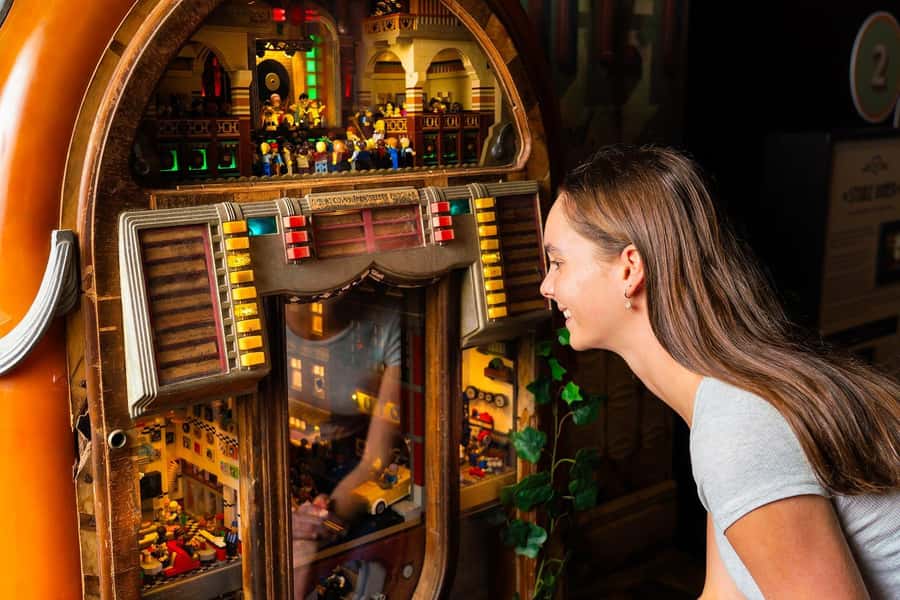
- 14 LEGO-and-relic displays: vintage objects each become the stage for a miniature civilization
- LEGO Masters creators: Jackson Harvey and Alex Towler designed the exhibition world
- Interactive build area: make and display your own creation after you explore the scenes
- Scavenger hunt for different ages: separate versions for children and adults
- Free accessible audio description: bring your own device and headphones for the audio guide
RELICS at the Australian Museum: the big idea in plain English
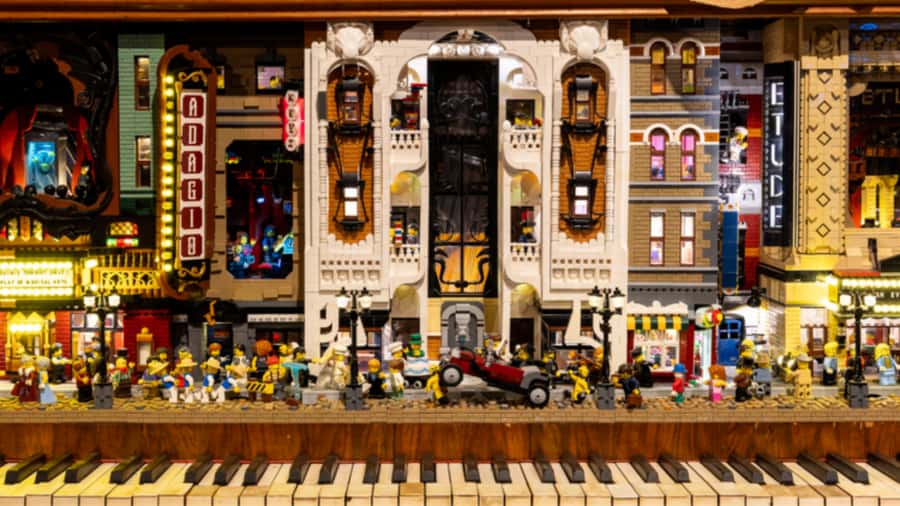
RELICS takes everyday, once-human objects—things like vintage radios, pianos, arcade machines, and suitcases—and turns them into housing for tiny LEGO communities. You walk through a chain of worlds, each one built into a relic you can see up close, like a museum display that suddenly grew a city overnight.
The setting is also a smart choice: humans are gone, Earth has been stripped of resources, and the LEGO “future” has moved into what’s left. It stays family-friendly. Even when the theme is environmental resource depletion, the presentation is playful and easy to follow, not preachy.
If you like exhibitions that give you both imagination and small details to hunt for, this one works. It’s not just brick art on a wall—it’s a story you can physically move through, with lots of little prompts that keep you scanning.
You can also read our reviews of more tours and experiences in Sydney


Vintage objects become LEGO civilizations
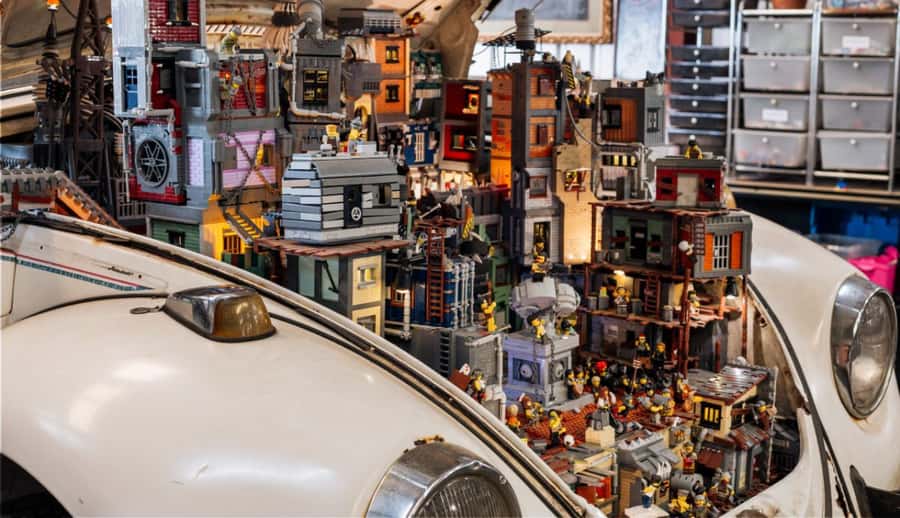
What makes RELICS feel different from a standard LEGO show is the constant contrast: old materials and new worlds.
You’re seeing two kinds of craftsmanship at once:
- museum-style care in the way objects are presented and protected
- LEGO-style obsession with minifig characters, settings, and visible “how did they build that?” techniques
That combination helps in a practical way. Even if someone in your group isn’t a lifelong LEGO fan, the relic objects give them an entry point. A suitcase or radio isn’t just an accessory here—it’s the anchor for an entire scenario.
And because each display is its own mini environment, you can move at your pace. Want quick highlights? Go fast. Want to spot tiny characters and clues? Slow down and treat it like a visual scavenger hunt even before the official one starts.
The 14 displays: how to get more out of each room
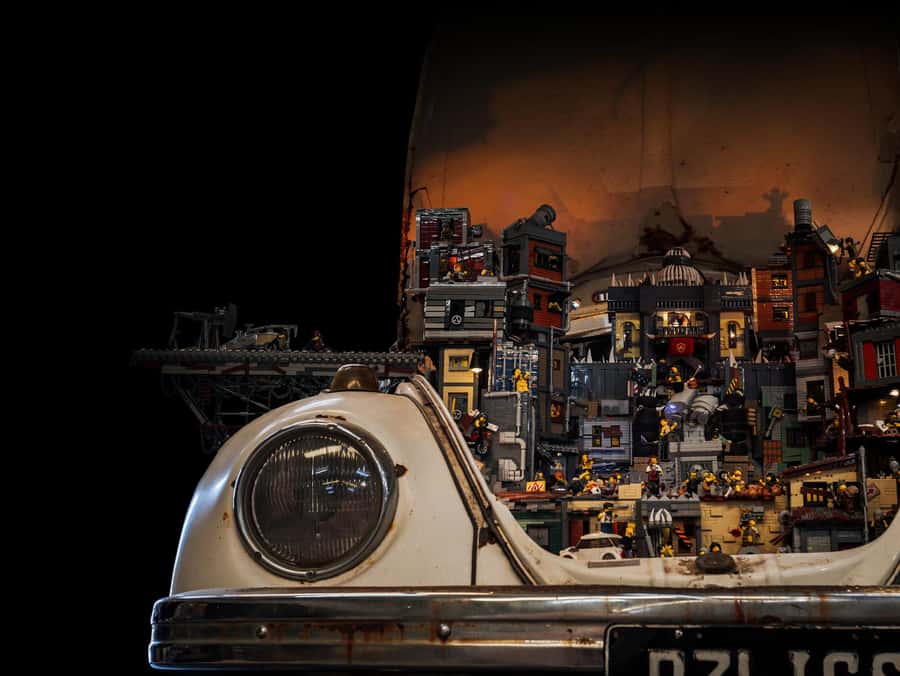
The exhibition is organized into 14 displays, each pairing a “treasured past” object with an intricate LEGO build world. In practice, that means you’re not stuck in one giant maze. You can see the architecture of the show as a set of distinct stops.
Here’s how I’d approach it so you don’t just wander past the good bits:
- Start each display with a 20-second scan
Look for the main scene first—then drop your eyes to the edges. That’s where the “tiny world” details usually live.
- Use the relic as your navigation
If you find yourself overwhelmed by all the bricks, go back to what the relic is. That object helps your brain organize the scene.
- Give your eyes one “second look”
The show has enough hidden bits that a second pass usually feels worth it, especially on a slower route.
The strongest displays are the ones where you can connect the object to the story. A radio world feels like it belongs. An arcade world feels like it belongs. A suitcase world feels like it belongs. That simple logic is why the exhibition lands: it doesn’t force the LEGO theme onto random items—it builds plausible mini narratives around them.
Build space and scavenger hunt: the interactive payoff
The interactive parts are where the exhibition turns from impressive to memorable.
The build space
There’s an interactive build area where you can build and display your own creations. That’s a huge deal for kids, because it turns the “watching” part into participation. For adults, it’s still valuable because it gives your hands a break from looking and helps you understand how LEGO structures can create depth in small spaces.
If you’re traveling with children, aim for the build area after you’ve done most of the displays. That way, your brain has fresh reference points for what makes the LEGO worlds work.
You can also read our reviews of more museum experiences in Sydney





The scavenger hunt
There’s also a custom scavenger hunt with different versions for children and adults. This is one of those features that improves the visit without adding pressure. It gives you a reason to slow down and inspect details, but you’re not forced to do it by yourself—you’re following prompts designed for your age group.
If you want the most “whole experience” feeling, don’t skip the hunt. It’s the difference between seeing a cool exhibit and walking out with the mental highlights you’ll actually remember later.
Audio description guide, photography, and comfort tips
RELICS includes a FREE accessible audio description guide. The catch is simple: you need to bring your own device and headphones. If you forget, you’ll still enjoy the show, but you’ll miss one of the most thoughtful accessibility touches.
Photography for personal use is typically allowed, though restrictions may apply in some spaces, so check on arrival. Practically, I’d bring your smartphone (charged) because the exhibition has lots of mini details worth capturing—especially scenes you might want to look back on later.
Now the comfort reality check: the exhibition can be loud when it’s busy. One review experience called out crowding and noise, while another highlighted that entry can be quick but visiting certain displays still takes extra time during holiday season. So, if your group is sensitive to sound, plan a slightly slower pace and expect some areas to be busier than others.
Timing in Sydney: how crowds change your visit
This is a popular Sydney stop, and school holiday periods can bring a lot of people. The good news is entry can be straightforward. The not-so-good news is that when the museum is busy, the crowd flow can slow you down in front of the most detailed pieces.
Here’s what I’d do if I were planning it for my own group:
- Go earlier in the day if possible, so you hit the 14 displays with more space to breathe
- Don’t underestimate the time to reach objects during busy periods, even if getting in is fast
- Use your legs strategically: if you feel stuck in a bottleneck, move to the next display and come back
You have some flexibility too. Your booking lets you enter any time on the day of the booking, so you can choose a time that fits your day rather than being locked to one strict clock moment.
Also, wear comfortable shoes. You’ll be walking and stopping constantly, and your best memories usually come from the slower pauses, not the sprint.
Practical value: does this ticket make sense for you?
Without getting hung up on a specific price, I think RELICS offers good value when you’re in the right mood for it. You’re paying for more than “look at LEGO.” You’re paying for:
- 14 separate mini worlds built around real relic objects
- an interactive build space that involves your hands, not just your eyes
- a scavenger hunt designed for both kids and adults
- a free accessible audio description option (with your own headphones)
If your group includes kids, the value goes up fast because kids can participate, not just observe. If you’re traveling as a couple or solo adult, it still works well—but only if you enjoy detail work and world-building. If you’re expecting a quiet, minimalist art gallery vibe, this might feel busier than you want.
I’d also treat it as a strong “Sydney rainy day” option, since it’s inside and built for families. And if you’re the type who enjoys museum shops, you’ll have one more temptation after you finish—there’s a shop where you can find RELICS-themed souvenirs and gifts, plus the exhibition book for continuing the story at home.
Should you book RELICS at the Australian Museum?
Book it if:
- your group loves LEGO details and small scenes
- you want an exhibition that includes both looking and doing (build space + hunt)
- you’d enjoy a playful sci-fi theme built around real museum objects
- you don’t mind a lively atmosphere during peak times
Skip it (or adjust expectations) if:
- you’re sensitive to crowds and noise and need quiet galleries
- you want a fast stop where you barely walk and mostly glance
- nobody in your group likes LEGO or searching for clues
For most families and LEGO-minded visitors, it’s an easy yes. Just plan extra time on busy days, bring comfortable shoes, and don’t rush the 14 displays. The fun is in the details—and the build area is where the experience sticks.
FAQ
How long is the RELICS exhibition ticket valid for?
The ticket is valid for 1 day.
Who created RELICS: A New World Rises?
The exhibition was created by LEGO Masters winners Jackson Harvey and Alex Towler.
How many displays are in the exhibition?
There are 14 displays combining vintage objects with intricate LEGO brick worlds.
Is there an interactive area or only viewing?
There is an interactive build space where you can build and display your own creations, plus a custom scavenger hunt.
Is the scavenger hunt for kids only?
No. There are different versions of the scavenger hunt for children and adults.
Is there an audio guide?
Yes. There is a FREE accessible audio description guide, but you need to bring your own device and headphones.
Can I take photos inside?
Photography for personal use is typically allowed in most exhibition spaces, but you should check on arrival for any restrictions.
What should I bring to the exhibition?
You should bring comfortable shoes, a camera, and a charged smartphone.
Is the exhibition wheelchair accessible?
Yes. It is wheelchair accessible, and prams and wheelchairs are welcome with step-free access and accessible facilities.
Is the exhibition suitable for families?
Yes, it’s suitable for families and children. The themes are presented in a playful, accessible way.
You Might Also Enjoy

More Museum Experiences in Sydney

More Tickets in Sydney



More Tour Reviews in Sydney
- Blue Mountains Small-Group Tour from Sydney with Scenic World,Sydney Zoo & Ferry
★ 5.0 · 3,709 reviews