REVIEW · SYDNEY
Sydney Convicts, History & The Rocks 2.5-Hour Walking Tour
Book on GetYourGuide →Operated by Journey Walks · Bookable on GetYourGuide
Prison streets beat any textbook in Sydney. This walk through The Rocks turns colonial chaos into clear, street-level stories tied to Customs House and the harbour’s early power plays. I love how the tour pairs that setting with entry into heritage buildings so the history feels physical, not just narrated.
The pace stays friendly, but do expect some stairs and a few uneven spots around the Rocks. It’s also adult-themed history, so it’s best for people 14+ and for anyone comfortable hearing tough convict-era details.
In This Review
- Key highlights worth planning around
- From Customs House to convict Sydney: how the tour sets the mood
- Circular Quay: the harbour’s role in punishment and profit
- Macquarie Place Park: history explained like it’s happening now
- The Rocks on foot: cobblestones, rum, and convict-built clues
- The convict story element you’ll carry with you
- Argyle Cut finish: seeing the ending point as a new beginning
- What you get for $36: value, time, and why it isn’t just a walk
- Guide style and what to look for while you walk
- Practical expectations: shoes, stairs, weather, and who this is for
- Should you book the Sydney Convicts, History & The Rocks 2.5-Hour Walking Tour?
- FAQ
- How long is the Sydney Convicts, History & The Rocks walking tour?
- Where is the meeting point?
- What’s included in the tour?
- How much does it cost?
- Is this tour suitable for kids?
- Will the tour run in bad weather?
- Are pets allowed?
- Is luggage or a large bag allowed?
- Is the tour suitable for mobility impairments?
- Is free cancellation available?
Key highlights worth planning around
- Customs House Library start gives you the “why” before the “where”
- Harbour-to-city storytelling links Circular Quay and Macquarie Place to convict life
- Argyle Stores + Customs House access helps you see the spaces behind the legends
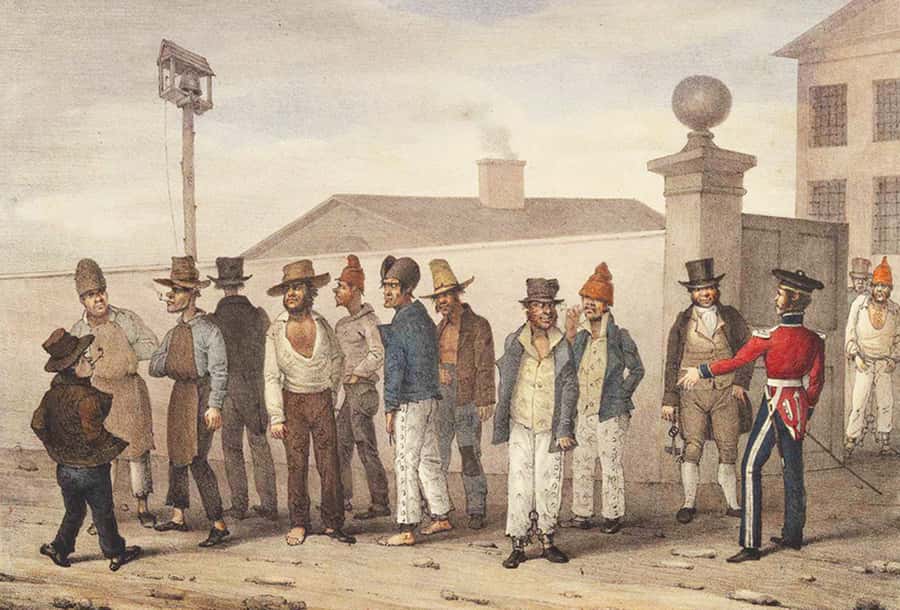
- The Rocks walk focuses on street gangs, rum, and built-in survival
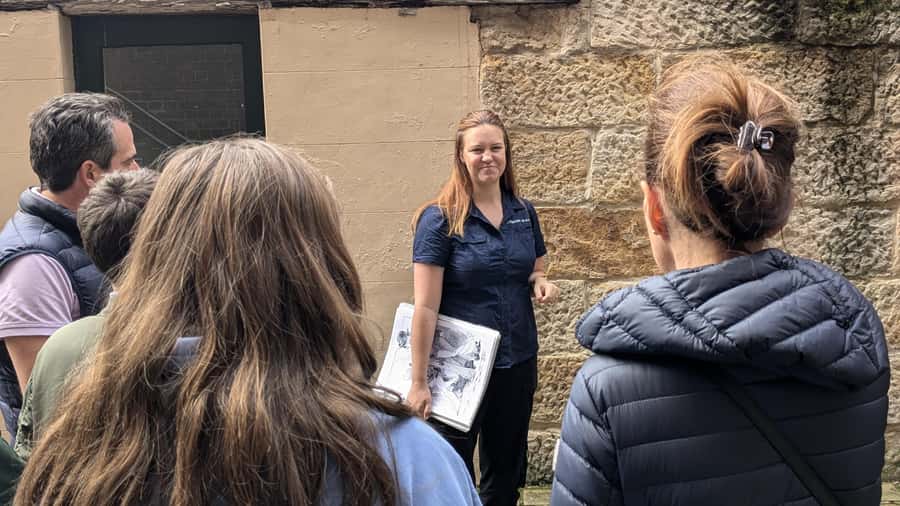
- Clear visuals from guides like Bec and Max (A3-style picture folders show what you’re looking at)
- Downpour-friendly delivery keeps the tour moving in wet weather
From Customs House to convict Sydney: how the tour sets the mood
You start at Customs House Library, right outside the Customs House complex. That matters because Customs House wasn’t just a pretty postcard building. In the early days, port buildings like this were part of the machinery of control—who moved, what goods arrived, and how authority tried to manage a messy colony.
From there, the tour quickly connects the dots between the harbour and the people scrambling to survive. You’ll hear how convicts, soldiers, and sailors intersected in a waterfront world where opportunity and punishment sat close together. The best part is the way the guide keeps explaining the logic of the colony, so names and dates stop floating around and start meaning something.
You can also read our reviews of more walking tours in Sydney

Circular Quay: the harbour’s role in punishment and profit
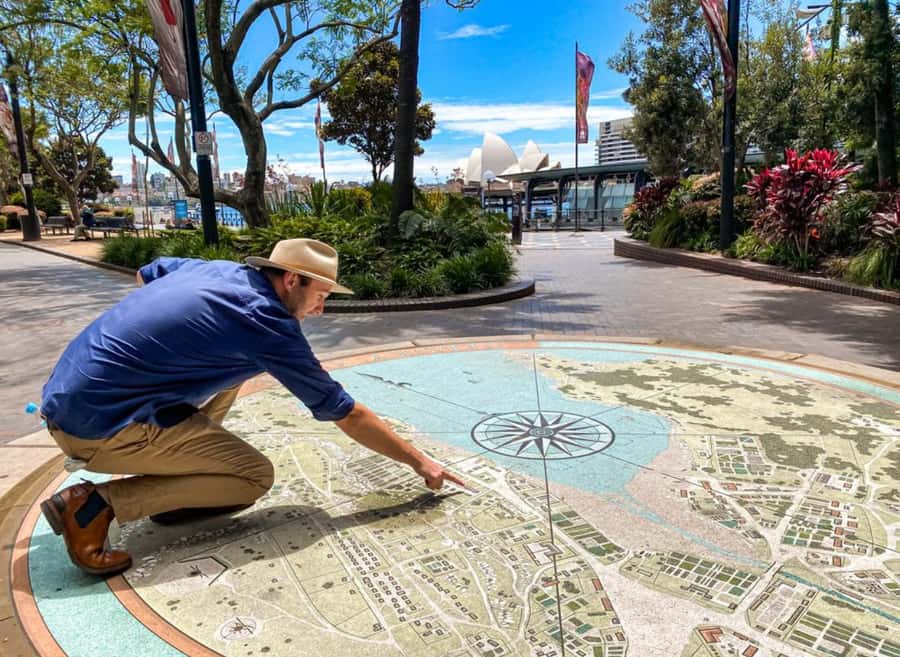
Circular Quay is your next big step, and it’s a smart choice. It’s the natural anchor point for early Sydney because everything important seemed to funnel toward the water. The tour uses this view area to frame how the colony worked day to day—where movement happened, where enforcement showed up, and why the harbour shaped daily decisions.
You also get the story angle: the colony’s origins weren’t tidy. The Rocks grew out of rough choices, strained resources, and the constant churn of new arrivals. That’s where convict life stops being an abstract topic and becomes a real system—people trying to negotiate survival while authorities tried to impose order.
Macquarie Place Park: history explained like it’s happening now
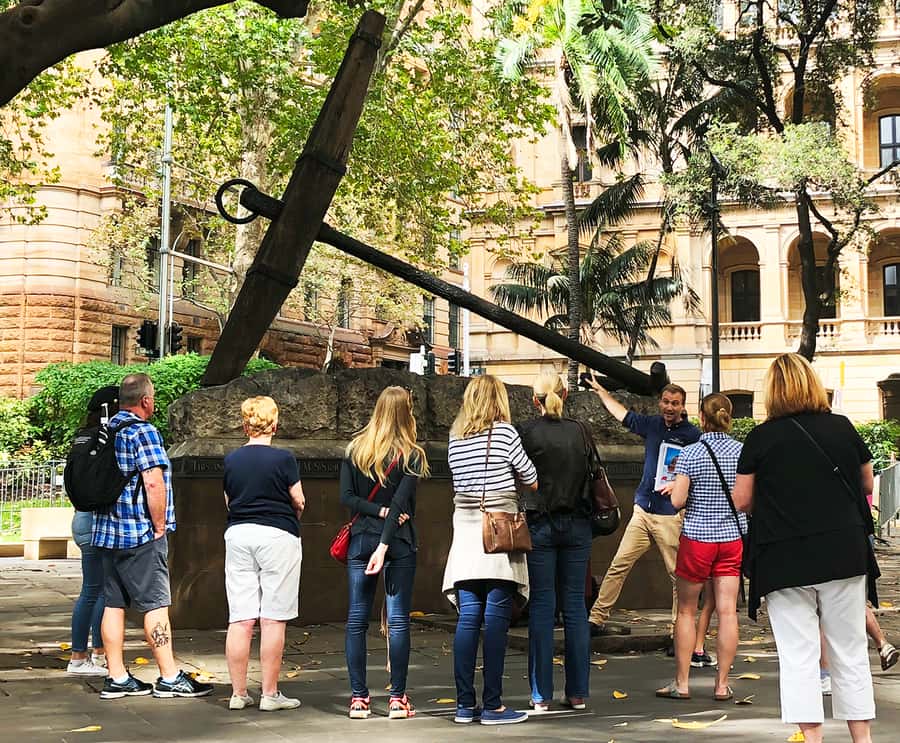
Macquarie Place Park is a good breather stop while still staying in the story. The guide uses this section to connect the physical city you’re standing in with the political decisions that reshaped it. You’ll start hearing themes that keep showing up later in The Rocks: punishment, economic ambition, and the way architecture and street layout quietly reflected power.
This part also helps you pace mentally. The Rocks can feel like a time-travel blur once you hit the cobblestones and sandstone. By the time you arrive there, you’re already primed to notice patterns—what built spaces were for, how people would move through them, and why some areas became notorious.
The Rocks on foot: cobblestones, rum, and convict-built clues
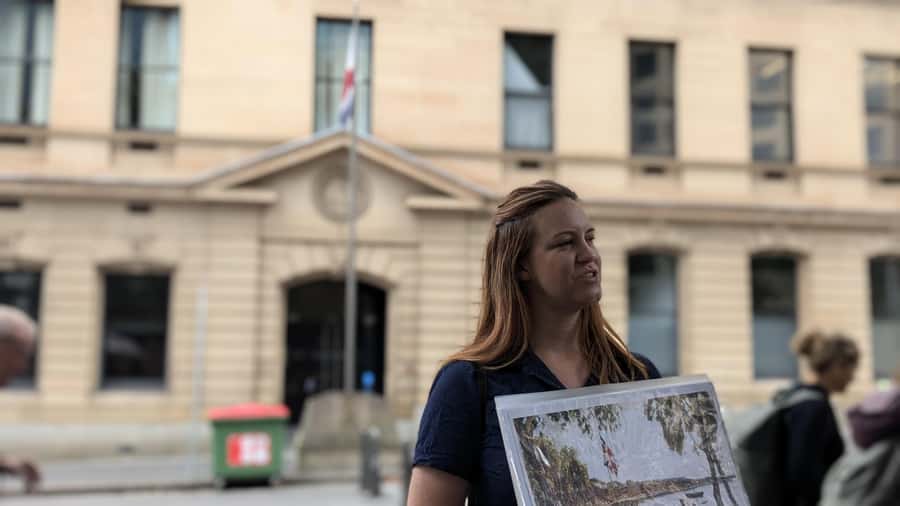
The bulk of the tour happens in The Rocks, and that’s the real reason to book. This is where you slow down and look at the quarter like a working map of early Sydney: heritage buildings, sandstone work, and remnants of old life tucked into corners you might otherwise rush past.
Expect the classic Rocks feel—tight lanes and cobblestone alleyways—and expect the guide to turn those lanes into story routes. You’ll hear about rum dealers and street gangs, but the tour doesn’t stay at the gossip level. It connects the liquor economy to control, trade, and the colony’s everyday hunger for profit.
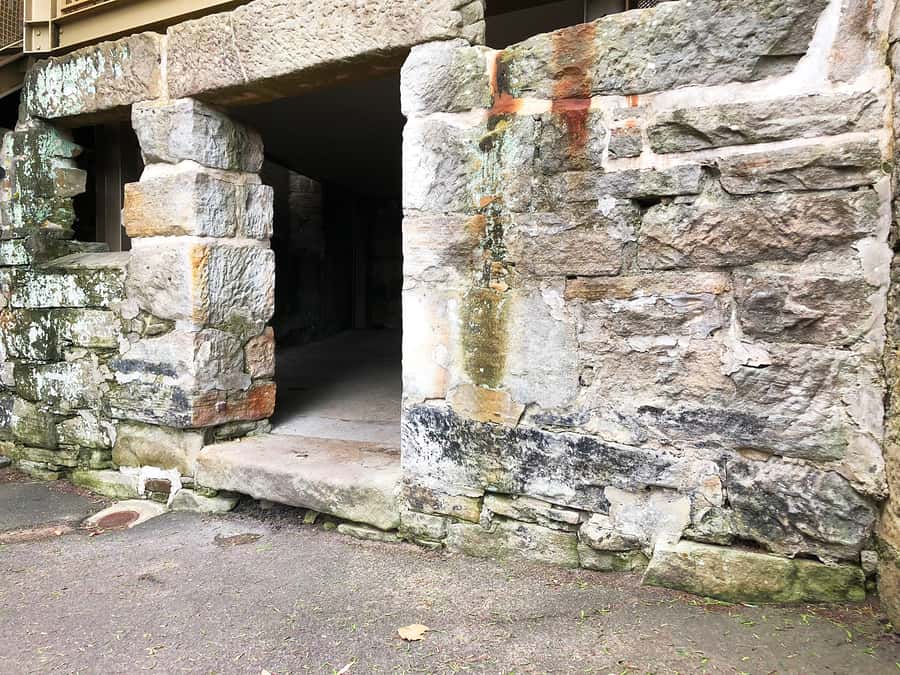
One of the most useful parts is how the guide brings up architectural details you can actually spot on the walk. You’ll get references to Georgian and Victorian architecture, plus convict cut sandstone and “how did they even do that” remnants like hidden corridors and ruins. It’s the kind of info that makes a second visit to The Rocks more rewarding, because you know what to look for.
The convict story element you’ll carry with you
The tour also highlights a few standout themes that give the history an emotional spine:
- the process of criminal transportation and what it meant for the colony’s first decades
- the immediate impact on Indigenous people around the turn of the 19th century
- a convict architect and an ambitious Governor’s plan to decorate the prison settlement
- the curious arc of a teenage girl who rose from chains to riches by taking over Sydney’s economy
Even if some names aren’t the main focus, the way the tour frames these threads helps you understand the colony’s contradictions: brutal punishment and sudden wealth, control systems and opportunists, suffering and enterprise.
You can also read our reviews of more historical tours in Sydney




Argyle Cut finish: seeing the ending point as a new beginning
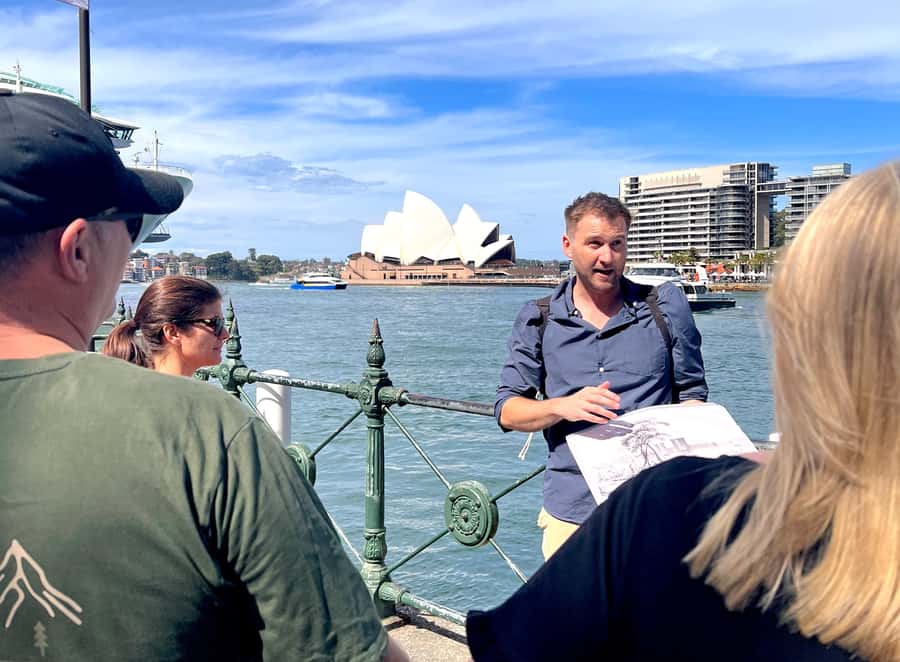
You finish at Argyle Cut, which is a satisfying stop because it lands you in the Rocks’ physical reality. By the time you reach the end, you’ve already spent time with the bigger story—how the harbour fed the colony, how The Rocks became a survival zone, and how convict-era decisions shaped what you’re seeing now.
This final stretch is also where you’ll start noticing how early Sydney’s infrastructure still influences how the area feels. Argyle Cut isn’t just a landmark photo spot; it’s part of the route’s storytelling closure. The guide’s job here is to help you turn scattered facts into a single picture.
What you get for $36: value, time, and why it isn’t just a walk
At $36 for about 150 minutes, you’re paying for three things at once:
1) a local historian-style guide with a story thread
2) access to heritage buildings (including Customs House and the Argyle Stores)
3) practical context that makes other sights around Circular Quay and the Rocks make more sense
That combination is the value. A self-guided stroll can show you the buildings, but it can’t easily connect convict transportation, rum economics, and architectural choices into one coherent narrative. Here, the guide does the stitching for you—and does it fast enough that you don’t feel stuck in a lecture.
You’ll also notice the tour is built for attention. Multiple guides in reviews are praised for answering questions directly rather than dodging, and for using pictures to help you place people and places. If you like history that you can see and picture, the visuals (A3-style picture folders or similar handouts) are a real advantage.
Guide style and what to look for while you walk
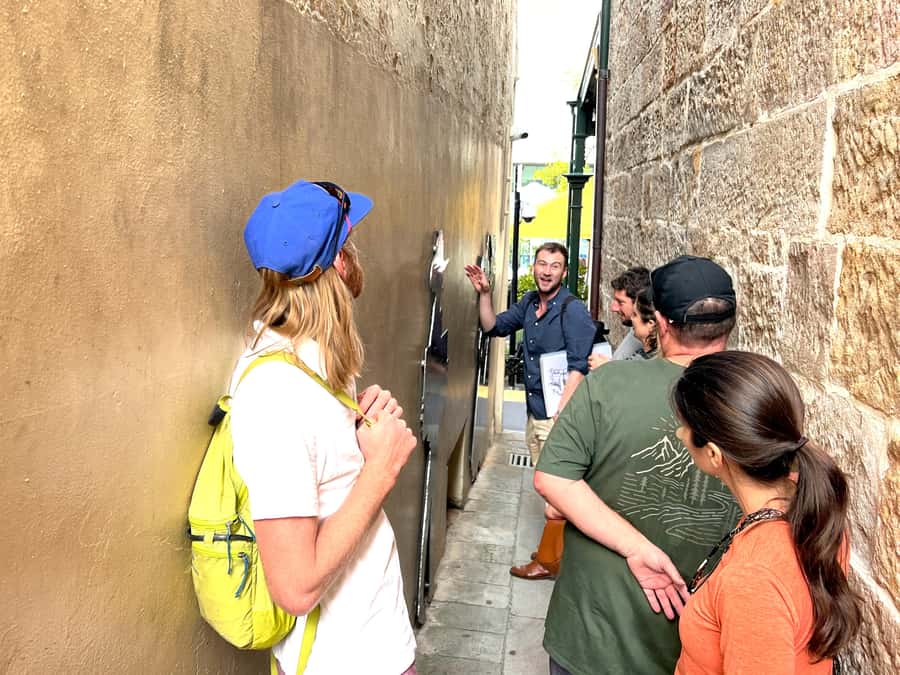
This is the sort of tour where the guide can make or break the experience. The strongest feedback in the reviews centers on guides who keep groups comfortable, pace the walk well, and stay honest about what they don’t know.
Names that come up often include Bec and Max, and you’ll hear a consistent theme: the stories are told clearly, with enough personal detail to make the era feel human rather than only institutional. Guides like Alex and Pete also get mentioned for keeping things engaging and answering questions with real confidence.
One practical tip: when your guide shows images, actually pause and match what’s on the page to what you see around you. That quick habit turns the tour’s picture descriptions into something you’ll remember later.
Practical expectations: shoes, stairs, weather, and who this is for
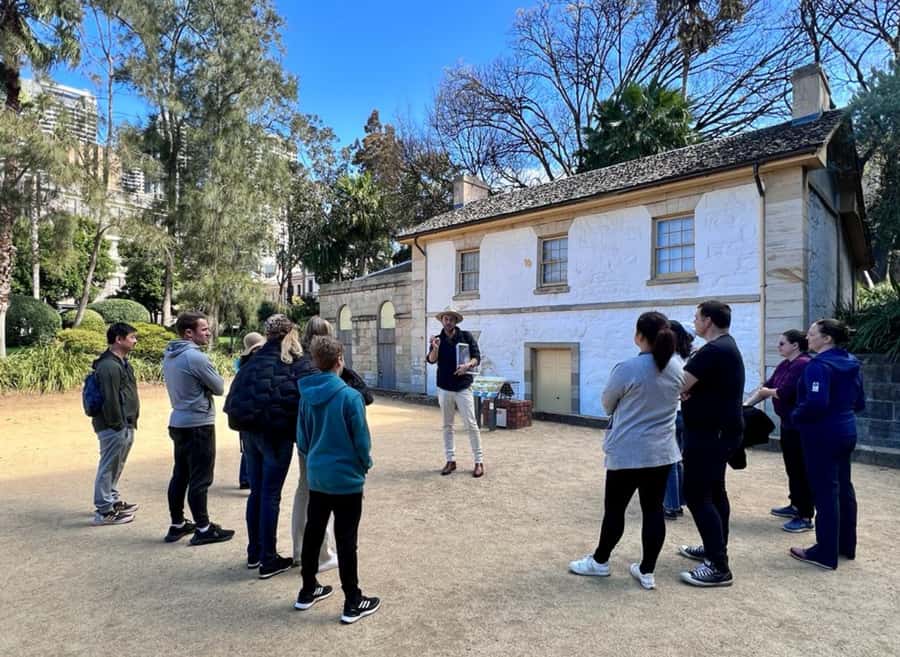
This walk is active. It’s 2.5 hours and it includes unavoidable stairs at certain points in The Rocks. If you have mobility limitations, this is not the kind of route to gamble on.
It’s also aimed at people older than 14 because it covers adult themes and includes references to convict-era violence and punishment. And if you identify as Aboriginal and/or Torres Strait Islander, you should know the tour may include names and images of people who are now deceased.
On the practical side:
- wear comfortable walking shoes
- bring water
- plan for wet weather, since the tour continues in wet or wild conditions
The rocks can be slippery when it rains, so your footwear matters more than you’d think.
Should you book the Sydney Convicts, History & The Rocks 2.5-Hour Walking Tour?
I’d book it if you want early Sydney explained through streets and buildings, not just through museum panels. The mix of Customs House context, heritage building access, and a focused walk through The Rocks makes it a good first history purchase in Sydney—especially if you’re also spending time around Circular Quay.
Skip it if you can’t manage stairs or uneven ground, or if you prefer family-friendly history with no adult themes. If that fits you, though, this is one of the better ways to understand why The Rocks looks the way it does—and why the convict story still hangs in the corners.
FAQ
How long is the Sydney Convicts, History & The Rocks walking tour?
It lasts 150 minutes, which is about 2.5 hours.
Where is the meeting point?
Meet your guide in front of the Customs House building, on the right-hand side if you’re facing the building (outside).
What’s included in the tour?
You get 2.5 hours with a local historian, entrance into historic buildings such as Argyle Stores and Customs House, and an insider’s guide to local historic pubs, heritage architecture, and discovery museums.
How much does it cost?
The price is $36 per person.
Is this tour suitable for kids?
It’s most suitable for people older than 14 years old due to adult themes and concepts.
Will the tour run in bad weather?
Yes. In wet or wild weather, the tour continues, and you’re asked to bring an umbrella or raincoat.
Are pets allowed?
Pets are not allowed, but assistance dogs are allowed.
Is luggage or a large bag allowed?
No. Luggage or large bags are not allowed.
Is the tour suitable for mobility impairments?
No. It’s not suitable for people with mobility impairments, and some stairs are unavoidable.
Is free cancellation available?
Yes. You can cancel up to 24 hours in advance for a full refund.
You Might Also Enjoy



More Walking Tours in Sydney


More Tours in Sydney
- Blue Mountains Small-Group Tour from Sydney with Scenic World,Sydney Zoo & Ferry
★ 5.0 · 3,709 reviews



More Tour Reviews in Sydney
- Blue Mountains Small-Group Tour from Sydney with Scenic World,Sydney Zoo & Ferry
★ 5.0 · 3,709 reviews