REVIEW · SYDNEY
Sydney Wildlife Safari
Book on Viator →Operated by Sydney Bespoke Tours · Bookable on Viator
Platypus at dusk made this day for me. This small-group Sydney Wildlife Safari turns a lazy afternoon drive into a full-on wildlife search, with a conservation focus and night spotting.
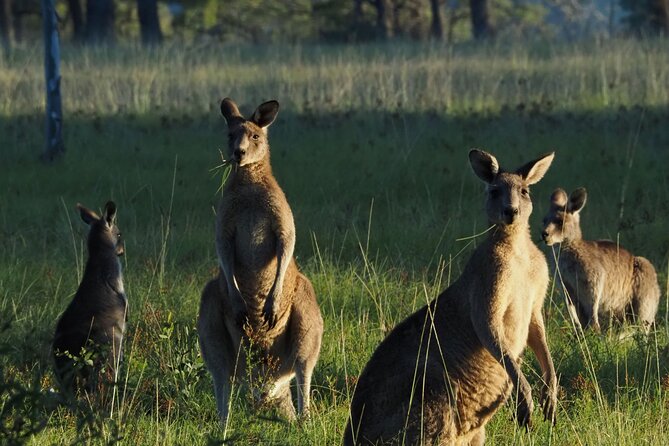
I love the sheer variety of animals you can hope to see in one day—kangaroos, wallabies, wombats, emus, possums, plus birds ranging from kookaburras to Tawny Frogmouths. I also love that the guide doesn’t just point: you’ll learn how to track, record, and understand what you’re seeing.
One consideration: you need a moderate fitness level and be ready for walking on uneven, sometimes slippery trails and river banks.
In This Review
- Key highlights to plan for
- The 12:00 pm start: getting out of the city without rushing
- Bowral lunch and the conservation briefing that keeps it real
- Private farmland and bushland spotting: how the guide works the day
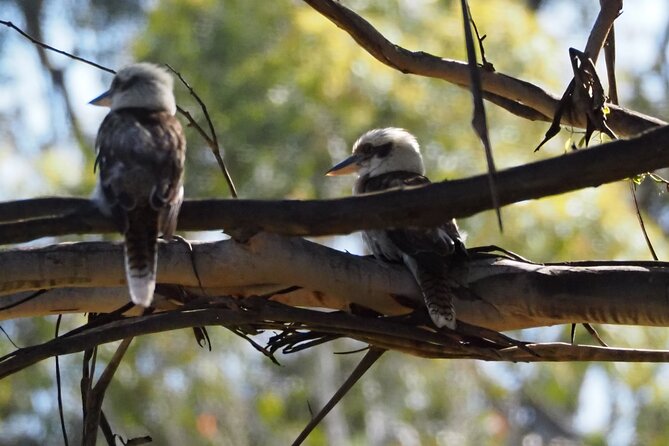
- Birding with timing: kookaburras, parrots, and the joy of noticing details
- Great Western Wildlife Corridor: why habitat connections matter
- Dusk platypus search: the rare moment you plan around
- Dinner at Australia’s oldest licensed inn: a warm reset before night spotting
- Night spotlighting for wombats, possums, and Tawny Frogmouths
- Price and value: does $304.83 make sense for 10 hours?
- Practical tips: what to wear, how much walking to expect, and what to bring
- Who should book this safari (and who might want a different plan)
- Should you book the Sydney Wildlife Safari?
- FAQ
- What is the duration of the Sydney Wildlife Safari?
- Where do I meet for the tour?
- What time does the safari start?
- What’s included in the price?
- Is this tour suitable for limited mobility?
- What happens if the weather is poor?
Key highlights to plan for
- Small group (max 8) keeps wildlife spotting focused and personal
- Binoculars + handheld spotlights make night wildlife searching practical
- Great Western Wildlife Corridor connects habitats between the Blue Mountains and Morton National Park
- Dusk river search for platypus is the day’s slow, magical highlight
- Dinner at Australia’s oldest licensed inn gives you a warm reset between day and night
The 12:00 pm start: getting out of the city without rushing
This is not a dawn tour. You start at 12:00 pm right by the water at the Sydney Harbour Marriott Hotel near Circular Quay (30 Pitt St). That late-morning timing is smart. It means you can ease into the day, grab a proper lunch before you go (or keep an eye on the light lunch you’ll get later), and you won’t feel like you’re dragging yourself out of bed for a checklist.
From there, you’ll take comfortable air-conditioned transport south. The drive is about 90 minutes to Bowral, and the guide uses the ride to set expectations: what animals are likely, what sightings depend on, and how you’ll track what you see. I like tours that respect your time like this—when the hunt starts, you’re not guessing.
Also, you’re not in a huge bus herd. With a maximum of 8 travelers, you’ll be able to stop, listen, look, and reposition without everyone piling into one photo spot.
You can also read our reviews of more tours and experiences in Sydney
Bowral lunch and the conservation briefing that keeps it real
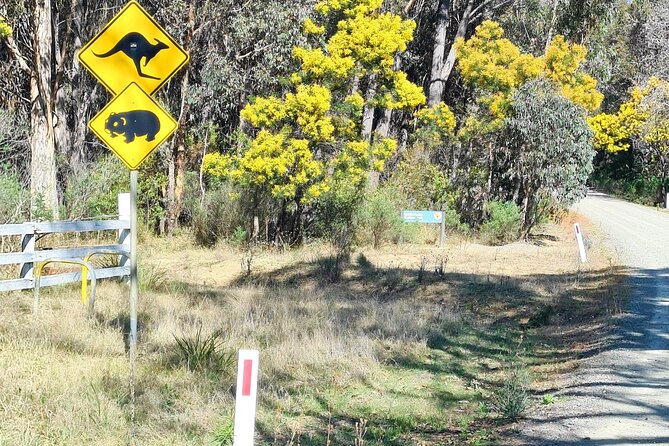
Once you arrive in the Southern Highlands region, the day settles into a rhythm that feels like fieldwork, not a drive-by attraction. You start with a light lunch—often something like gourmet wraps—and then you get the important part: conservation context.
You’ll hear about local wildlife monitoring and the kinds of signs people look for when tracking more elusive animals. This matters because it changes how you experience the next hours. Instead of only scanning for the flash of movement, you’ll be more aware of tracks, habitats, and behavior. Even if an animal stays hidden, you’ll still come away with a sense of what’s going on out there.
If you’re the kind of person who likes to understand ecosystems (or you just hate feeling lost), this briefing is one of the best uses of the day.
Private farmland and bushland spotting: how the guide works the day
After lunch, the rest of the afternoon is spent searching several locations—some private farmland and some untouched bushland. That mix is part of the value. Farmland can be where you catch more frequent daytime activity, while bushland offers better odds for certain birds and the “if you blink, you miss it” moments.
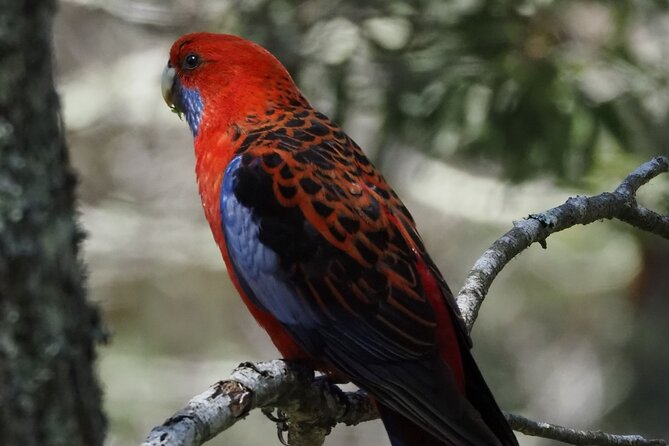
You’ll be watching for a broad list: kangaroos, wallabies, wombats, emus, and lots of birdlife. In the best cases, you’ll see multiple animals in quick succession. The goal isn’t just to see one or two icons—it’s to catch enough variety that the day feels like a true sample of Southern Highlands wildlife.
One thing I really like here: you won’t just stand and stare. You learn how to record sightings and you’ll be guided on what to look for as you move. That turns the walk into something active, and it keeps your attention sharp, especially when animals are close but not obvious.
And yes, you might catch parrots flashing through the trees—those sudden bursts are exactly why birdwatching is worth it here.
Birding with timing: kookaburras, parrots, and the joy of noticing details
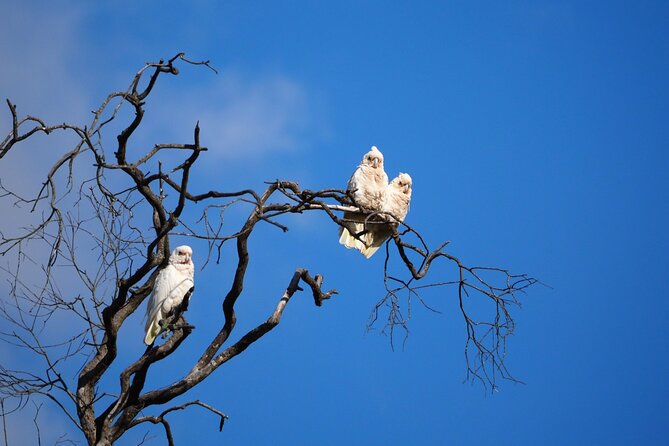
This is a bird-friendly experience in practice, not in theory. You’re in an area where you can reasonably hope for multiple species in a day, and that’s where the guide’s timing really shows.
Bird sightings tend to come in patterns: calls in the morning or late afternoon, more movement around cover, and the way different species respond to light and temperature. Your guide helps you interpret what you’re hearing and seeing, and that’s why birdwatching feels rewarding instead of random.
You’ll also get wildlife reference guides and binoculars, which is a huge quality-of-life improvement. It’s one thing to spot a shape in a tree; it’s another thing to actually figure out what you’re looking at. With binoculars in hand, you can slow down, zoom in, and enjoy the fine details—feather color, shape, and movement.
A nice bonus from past departures: people have described seeing over 30 species in one day, with a strong emphasis on birds. That’s the kind of outcome that only happens when the guide knows where to look and when.
Great Western Wildlife Corridor: why habitat connections matter
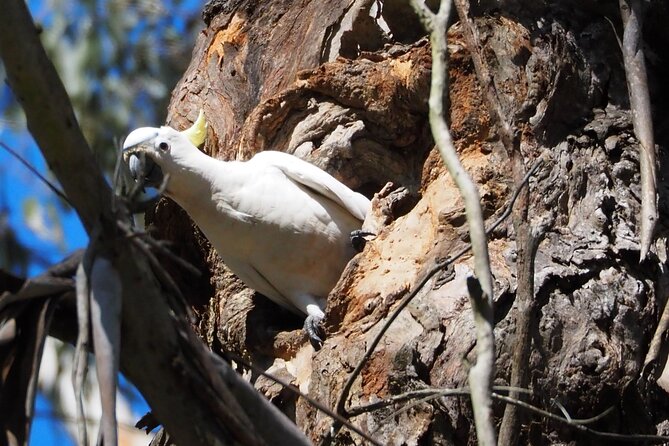
This tour doesn’t treat the landscape like scenery. You’ll learn about the Great Western Wildlife Corridor, which is a vital habitat link connecting animals between the southern Blue Mountains and Morton National Park.
Why should you care? Because wildlife doesn’t live in isolated boxes. When animals move safely through connected habitat, survival rates improve—especially for species that need food, shelter, and safe travel routes. In a plain sense, the corridor is one reason you can have success spotting animals across the region instead of feeling like you’re only getting luck in one small area.
Even if you’re not the type to read scientific explanations, this is still practical. The corridor concept helps you understand why certain places are monitored, why the guide chooses specific stops, and why the timing of your searches can influence results.
You can also read our reviews of more tours and experiences in Sydney

Dusk platypus search: the rare moment you plan around
Dusk is where the day turns special. You’ll head to a quiet river area to search for wild platypus. This is the part people talk about because platypus are rare, shy, and not something you can force. Your guide’s job is to stack the odds: choosing the right time, reading the environment, and using the group’s attention in a controlled way.
You’ll be out in the evening after the afternoon spotting, and that means temperatures can change quickly. Wear clothes you can layer, and keep your eyes and ears open. For platypus searching, patience matters as much as eyesight.
Also, this is where the tour’s equipment helps. You’ll have handheld spotlights, plus your guide’s technique and wildlife reference materials. Spotlights are useful for scanning and reducing wasted time, but the real trick is knowing when to pause and let the river activity show itself.
If you get lucky, this can feel like a nature magic trick: suddenly you realize something alive was right there, doing what it’s been doing for ages—no performance, just existence.
Dinner at Australia’s oldest licensed inn: a warm reset before night spotting
After the river search, you’ll head for classic country pub dinner, and it includes a drink (alcoholic or non-alcoholic). There’s also a specific venue detail that stands out in the day’s structure: the dinner is at Australia’s oldest licensed inn.
That matters more than you might think. After hours outside scanning for wildlife, a proper sit-down meal gives you a mental reset. You can warm up, hydrate, and recharge before the last segment—night spotlighting—starts.
If you’re a light eater, the light lunch earlier can still work. But I’d treat the dinner as the main fuel. Bring energy for the evening and you’ll enjoy the night segment more.
Night spotlighting for wombats, possums, and Tawny Frogmouths
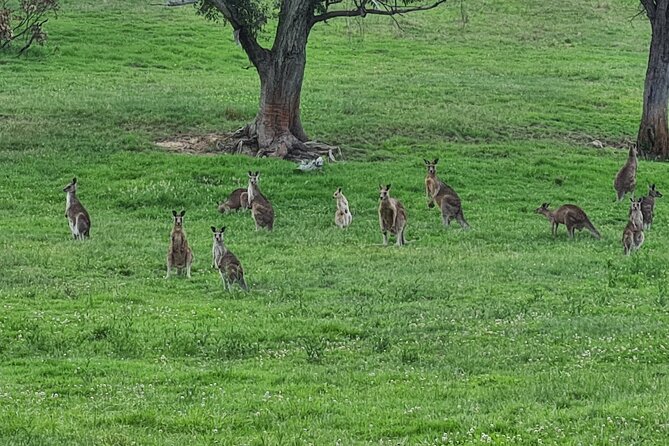
Once you finish dinner, the night portion kicks in. You’ll go spotlighting for animals that are most active at night, including wombats, possums, and Tawny Frogmouths.
This part is why the tour includes handheld spotlights. Without them, night wildlife searching becomes more about hope than technique. With them, you can actually methodically scan the ground and tree lines, and you can watch for movement and eye reflections.
The key is not to rush. In darkness, your eyes adjust after a short while. Your guide’s style helps you pace the scanning and avoid blinding everyone at once. That makes the experience more comfortable and, honestly, more productive.
Past outings have credited guides such as Steve and Emma for timing and enthusiasm—especially for the mix of animals beyond the headline ones. When a guide knows which animals might show up and when, the night feels like a sequence instead of a random walk.
Price and value: does $304.83 make sense for 10 hours?
At $304.83 per person, this isn’t a bargain bus tour. But it can still feel like solid value if you’re paying for what’s hard to replicate on your own: a full day of guided wildlife searching, plus equipment, plus transportation, plus a structured conservation explanation.
Here’s what you get for your money:
- 10 hours (approx.) of guided spotting and learning
- Experienced guide and wildlife reference guides
- Light lunch and a country pub dinner with a drink
- Binoculars and handheld spotlights
- Comfortable air-conditioned transport
And there’s the small-group factor. With up to 8 people, you’re not fighting crowds. That matters a lot in wildlife watching, where everyone’s stillness and attention are part of the “system.”
If your main goal is simply seeing a couple of animals, you may find cheaper options. But if you want your best chance at a wide variety—especially with the dusk platypus search—this price starts to feel more justified.
Practical tips: what to wear, how much walking to expect, and what to bring
This tour is rated as requiring moderate physical fitness. You should be able to walk about 1 km (half a mile) at a time, and that includes steep, rough, sometimes slippery trails, plus river banks. If your mobility is limited, the tour is not recommended.
Wear closed-toe shoes and comfortable clothes that can handle uneven ground. I’d also plan for weather changes in the Southern Highlands—check the forecast for the day.
Since you’ll be outside for long stretches, think layers. And because the tour uses spotlights at night, avoid anything that blocks your ability to adjust your clothing quickly.
One more practical point: you’ll get a mobile ticket, and the tour ends back at the same meeting point near Circular Quay.
Who should book this safari (and who might want a different plan)
I think this is a great fit if:
- You want a wildlife-first day trip, not a city tour with one stop
- You enjoy birds and notice details
- You’re okay with walking on uneven ground for short stretches
- You want a guide who helps you interpret what you’re seeing, not just where to look
I’d hesitate if:
- You have limited mobility or aren’t comfortable with rough, slippery trail sections
- You dislike evening outings (the platypus search and night spotlighting are core to the experience)
- You’re hoping to do this with minimal time outside in the dark
Also, the experience is weather dependent, so plan with some flexibility in your schedule.
Should you book the Sydney Wildlife Safari?
If you’re craving an authentic wildlife day that blends real spotting, a conservation story, and the chance—however rare—of platypus at dusk, this is worth your attention. The strongest pull is the combination of variety and guided technique: you’re not just looking, you’re learning how to look.
I’d book it if you can handle moderate walking and you want a full afternoon-to-night wildlife experience that feels structured and purposeful. If that sounds like your kind of day, you’ll likely love how the Southern Highlands delivers animal sightings at more than one time of day.
If not, pick a shorter, easier nature option. This one is designed for people who want to work a little for the magic—and then sit down and enjoy it.
FAQ
What is the duration of the Sydney Wildlife Safari?
The tour runs for about 10 hours.
Where do I meet for the tour?
You meet at the Sydney Harbour Marriott Hotel at Circular Quay, 30 Pitt St, Sydney NSW 2000, and the tour ends back at the same meeting point.
What time does the safari start?
The start time is 12:00 pm.
What’s included in the price?
It includes an experienced guide, a light lunch, a classic country pub dinner with a drink, binoculars and handheld spotlights, wildlife reference guides, and air-conditioned transport.
Is this tour suitable for limited mobility?
No, it isn’t recommended for travelers with limited mobility. You should be able to walk around 1 km at a time on steep, rough, sometimes slippery trails and river banks.
What happens if the weather is poor?
The experience requires good weather. If it’s canceled due to poor weather, you’ll be offered a different date or a full refund.
You Might Also Enjoy


More Wildlife Experiences in Sydney
More Safari Adventures in Sydney
More Tour Reviews in Sydney
- Blue Mountains Small-Group Tour from Sydney with Scenic World,Sydney Zoo & Ferry
★ 5.0 · 3,709 reviews